Omega 166.026 Seamaster Cosmic Reference Guide
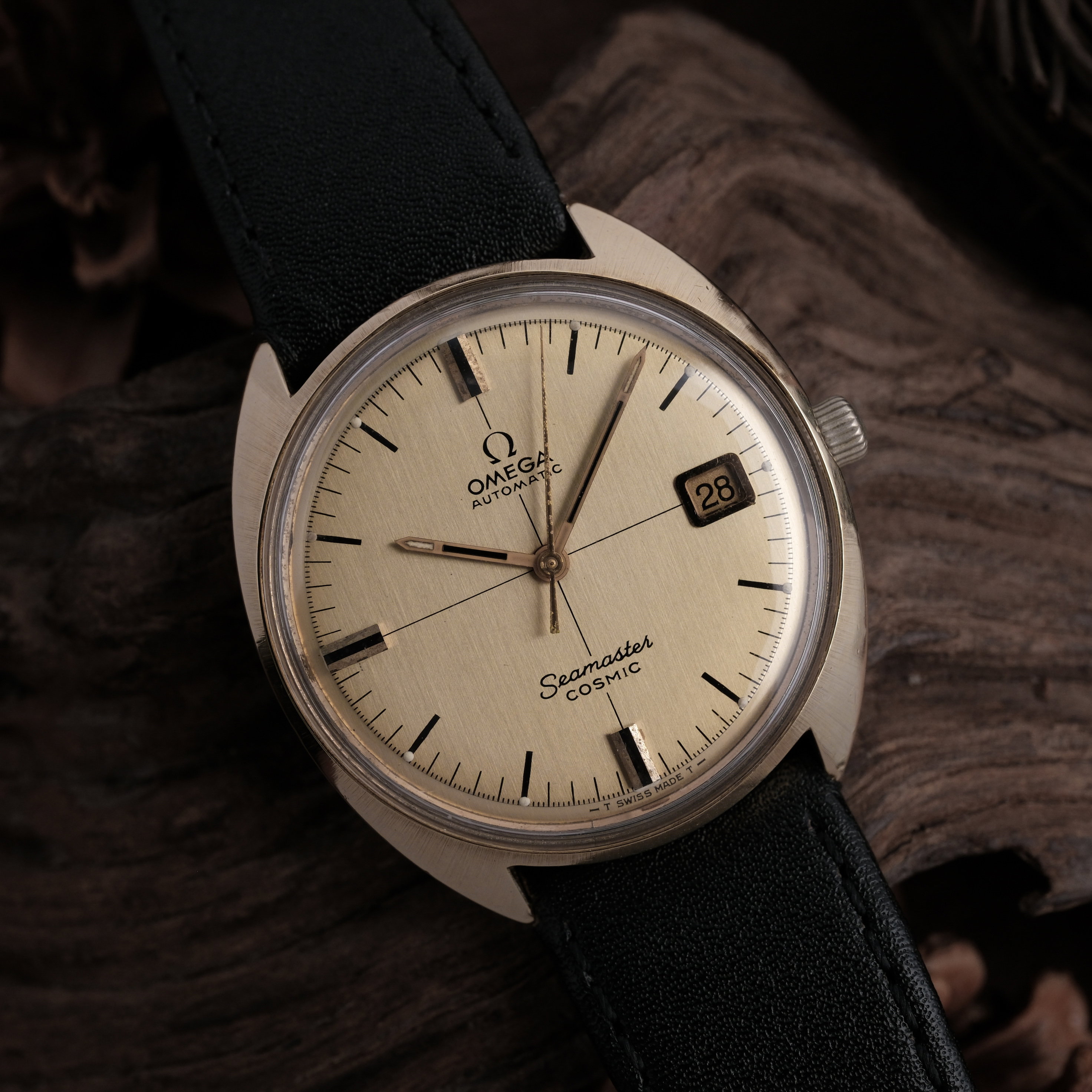
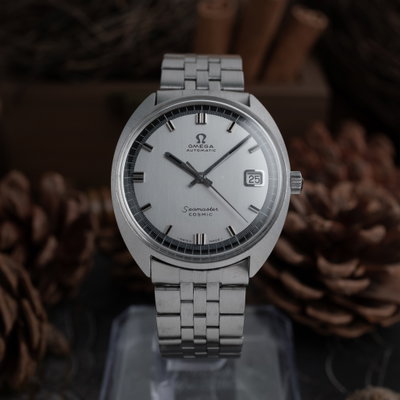
Omega reference 166.026 is a 35 mm Seamaster Cosmic best bought with a clean period-correct dial, coherent automatic movement and sharp monocoque case.
We auction more than 100 vintage watches a week.
Get first access: new Omega 166.026 drops and alerts before auctions end.
Browse 60 live Omega auctionsThe Omega 166.026 belongs to the Seamaster Cosmic's late-1960s shift from conventional round watches toward a tonneau-shaped monocoque case. Known examples run from 1967 through 1970, with automatic calibers 562 and 565 found inside. The version to want is the one with the strongest dial and the least softened case, not the brightest polish.
At 35 mm without the crown, the reference is compact by current standards, but its integrated case gives it more visual width than a traditional round watch of the same diameter. Stainless steel is the safer purchase against a gold-plated example because worn plating cannot be recovered through routine service. Silver sunburst, vertically brushed and crosshair dials are known, so the dial type alone does not settle authenticity.
Brand
Omega
Model
Seamaster Cosmic
Reference
166.026
Known production years
1967-1970
| Case width | 35 mm excluding the crown |
| Case construction | Monocoque |
| Known case materials | Stainless steel and gold-plated stainless steel |
| Known movements | Automatic calibers 562 and 565 |
| Known dial executions | Silver sunburst, silver vertically brushed and silver sunburst crosshair |
What it was built for
The 166.026 turned the Seamaster Cosmic into a practical automatic watch with a distinctly late-1960s shape. Its monocoque construction eliminates the conventional removable caseback, while the integrated lugs carry the tonneau outline directly into the strap. That architecture is central to the reference rather than a cosmetic variation.
Automatic calibers 562 and 565 occur in watches bearing this reference, and the date aperture is part of the dial layout. The service history of any individual movement remains unknown without receipts, and a running watch should not be described as serviced on performance alone. Movement condition matters, but it does not compensate for a refinished dial or a case polished until its original lines have softened.
Where the value sits
The dial carries the widest value spread. A clean silver sunburst or crosshair dial with coherent applied indices outranks a brighter redial, while localized oxidation around the date aperture and scattered spotting deserve a discount. A factory service dial is genuine but replaced, and it must not be described as an untouched original dial.
Steel is the straightforward version to own. Gold-plated steel can look sharper in photographs, but wear-through at the lug edges leaves exposed base metal and no normal service reverses it. Between a polished plated example and a steel watch with light, even dial ageing, take the steel watch unless the plated case remains crisp and the dial is materially better.
What goes wrong
Dial damage costs most: oxidation often concentrates around the date aperture, while moisture spotting can interrupt the silver finish elsewhere. Redials remove age damage but also remove the factory surface, and a crosshair added during refinishing is not equivalent to a period-correct crosshair dial. Of the faults visible before opening the case, the dial deserves the largest adjustment.
Cases lose definition through polishing. The integrated lug transitions become soft, the tonneau outline rounds off and plated examples can show permanent wear-through at exposed edges. Replacement crowns may be serviceable without being original, while a married movement or franken assembly can combine individually genuine Omega parts that did not leave the factory together.
The monocoque case makes competent access important because there is no conventional removable back. Scratches or distortion around access points indicate previous handling, and cosmetic polishing can conceal those marks while further weakening the case lines. Without documentation, the service history is unknown and no claim should go beyond what the movement and case establish.
Dating this watch
| Serial range / caliber | Year | Note |
|---|---|---|
| 25,000,000 | 1967 | approximate, ±1-3 years |
| 26,000,000 | 1968 | approximate, ±1-3 years |
| 28,000,000 | 1969 | approximate, ±1-3 years |
| 31,000,000 | 1970 | approximate, ±1-3 years |
Dating data comes from our decoder tables; treat years as approximate.
What to check before you buy
- Dial surface and layout: Known 166.026 dials include silver sunburst, vertically brushed and crosshair executions with applied indices. A crosshair is not proof by itself, and disturbed surface finishing or newly printed lines indicate a possible redial.
- Hands and hour furniture: The hands must form a coherent set with the applied baton indices and the dial's metal tone. Mixed finishes can signal service replacements or a franken assembly, although period-correct parts are not automatically original to that watch.
- Monocoque case: Reference 166.026 uses a tonneau-shaped monocoque case without a conventional removable back. A separate snap back, incompatible case architecture or badly rounded integrated lug transitions conflicts with the known construction.
- Case material and polishing: Both stainless steel and gold-plated stainless steel cases are known. On plated watches, exposed base metal at lug edges is wear rather than patina, while soft transitions and a rounded outline identify repeated polishing.
- Movement coherence: Automatic calibers 562 and 565 are documented in this reference. The caliber must be assessed with the case, dial and approximate serial year because a genuine Omega movement can still be married to an unrelated case.
- Crown and replacement parts: A replacement crown may be a legitimate service part, but it should not support an unqualified originality claim. Treat the crown as one component in the watch's history and separate period-correct fit from proven factory originality.
Other 166.026 examples we auctioned
10 Omega 166.026 auctioned
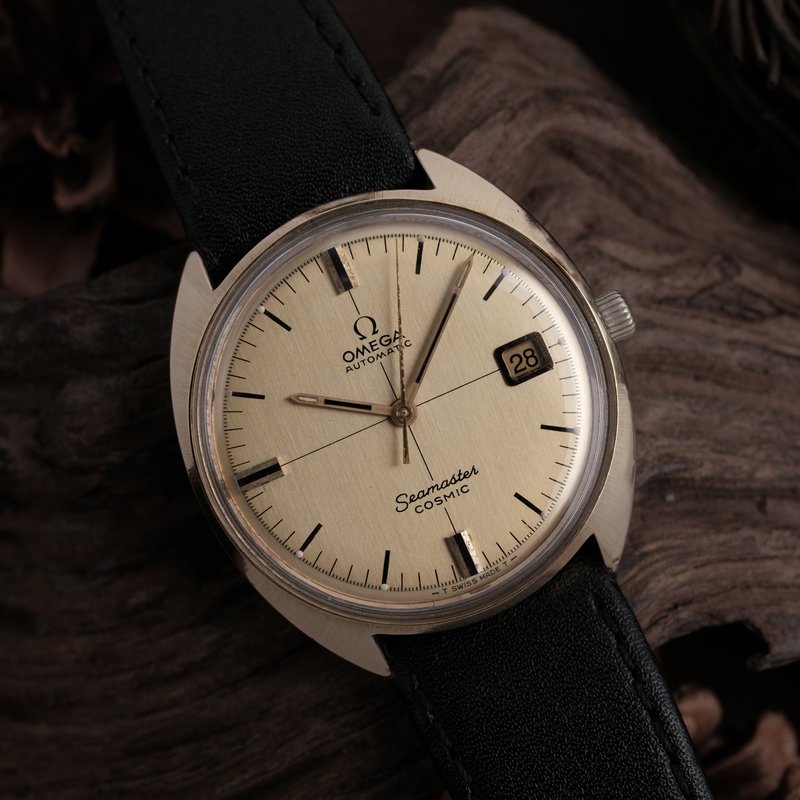
Omega · Seamaster Cosmic · 166.026 · 1967
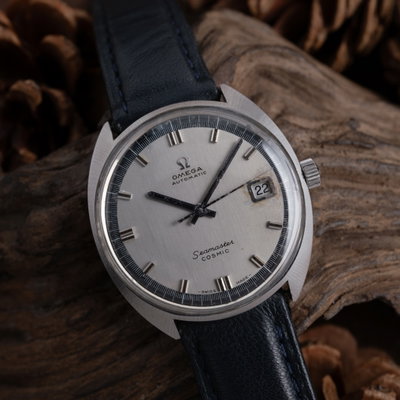
Omega · Seamaster Cosmic · 166.026 · 1969
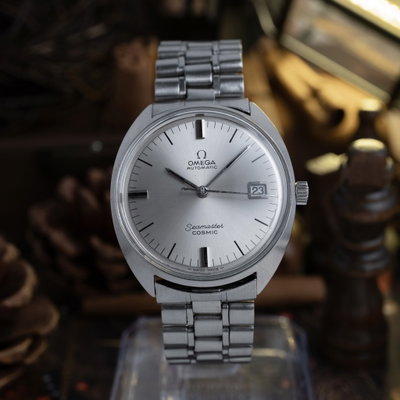
Omega · Seamaster Cosmic · 166.026
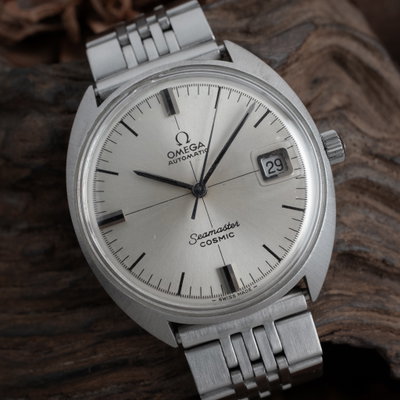
Omega · Seamaster Cosmic · 166.026
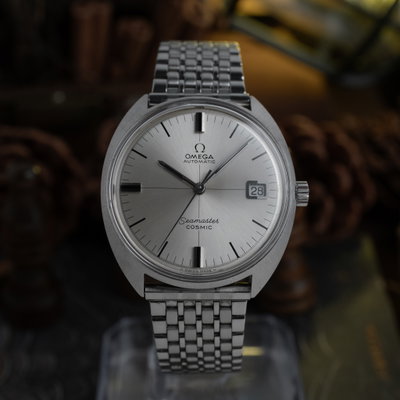
Omega · Seamaster Cosmic · 166.026
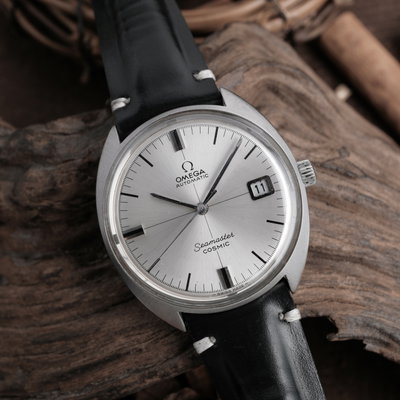
Omega · Seamaster Cosmic · 166.026 · 1968
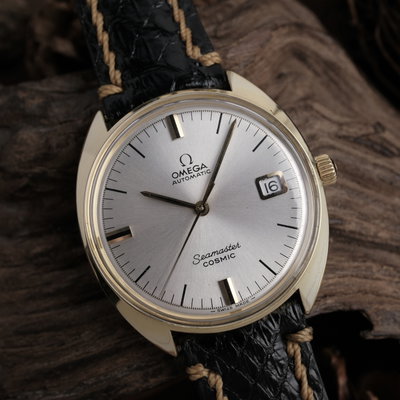
Omega · Seamaster Cosmic · 166.026 · 1970
Omega · Seamaster Cosmic · 166026
More Omega references
Related pages
Frequently asked questions
Ready to hunt for your own?
More than 100 vintage watches go under the hammer every week.