The Omega Legacy
Omega represents one of the most storied names in watchmaking, a brand whose timepieces have accompanied explorers to the depths of the ocean and the surface of the moon. For collectors, vintage Omega offers an exceptional combination of historical significance, mechanical excellence, and accessible entry points.
This guide explores the key model families, calibers, and authentication markers that every Omega collector should understand. Whether you are drawn to the legendary Speedmaster, the versatile Seamaster, or the elegant Constellation, knowing what to look for transforms casual interest into informed collecting.
The Speedmaster Professional Lineage
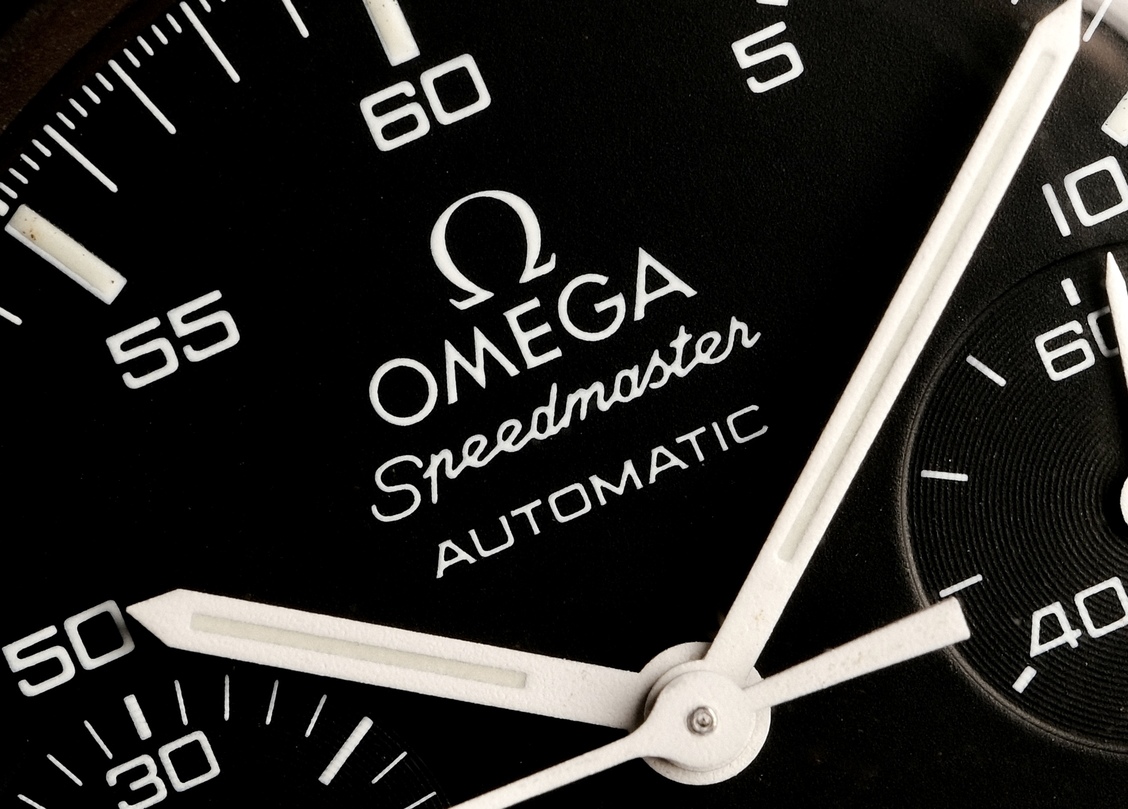
The Speedmaster story begins in 1957 with the CK2915, the first watch to feature the tachymeter scale on the bezel rather than the dial. This innovation created the template for sports chronographs that persists today. The early references, CK2915, CK2998, and 105.002, are highly prized by collectors for their straight lugs and distinctive design language.
The transition to the 105.003 and 105.012 brought the asymmetrical case that would become iconic. These pre-moon references, produced before NASA's qualification testing in 1965, represent the Speedmaster's evolution toward what would become the Moonwatch. The ST145.012 and ST145.022 followed, carrying astronauts to the lunar surface.
For collectors, understanding reference numbers is essential. Pre-moon Speedmasters command significant premiums, but later references like the 145.022 offer the authentic Moonwatch experience at more accessible price points. All share the commitment to legibility, durability, and chronograph precision that defines the line.
Seamaster Evolution
The Seamaster family encompasses remarkable diversity, from elegant dress watches to serious dive instruments. The original 1948 Seamaster celebrated Omega's centenary, establishing waterproof reliability as a core brand value. Through the decades, the line evolved to meet changing needs while maintaining its identity.
The Seamaster 300, introduced in 1957 alongside the Speedmaster and Railmaster, established Omega's credentials as a dive watch manufacturer. References like CK2913 and ST165.024 remain highly collectible, prized for their legible dials, robust construction, and historical significance as tool watches for professionals.
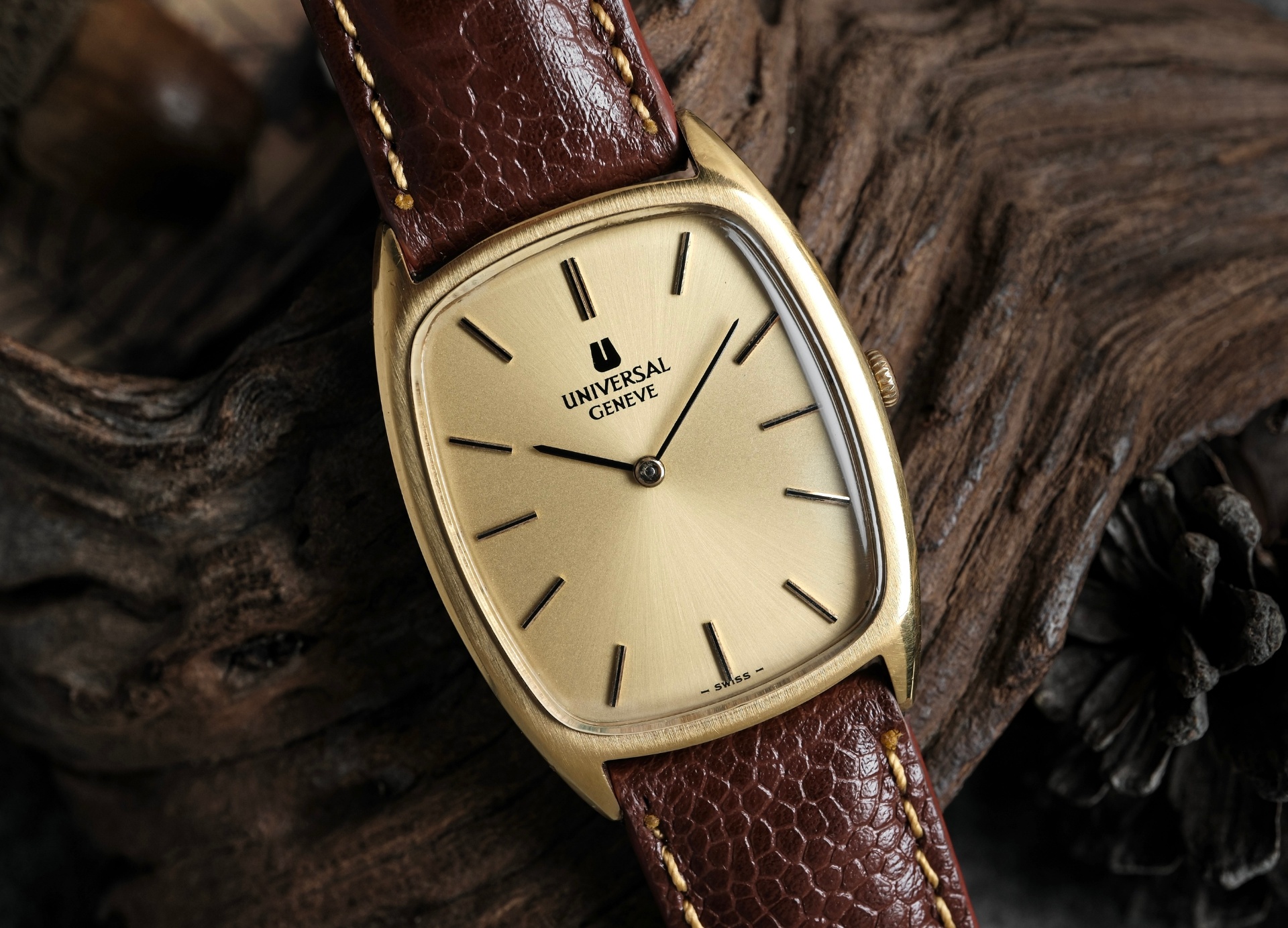
The Seamaster De Ville emerged in the 1960s as an elegant dress watch option, eventually spinning off into its own line. The Cosmic and Geneve variants provided quality entry points to the Omega world. Understanding these sub-families helps collectors identify pieces that match their preferences and intended use.

The Constellation 'Pie-Pan' Era
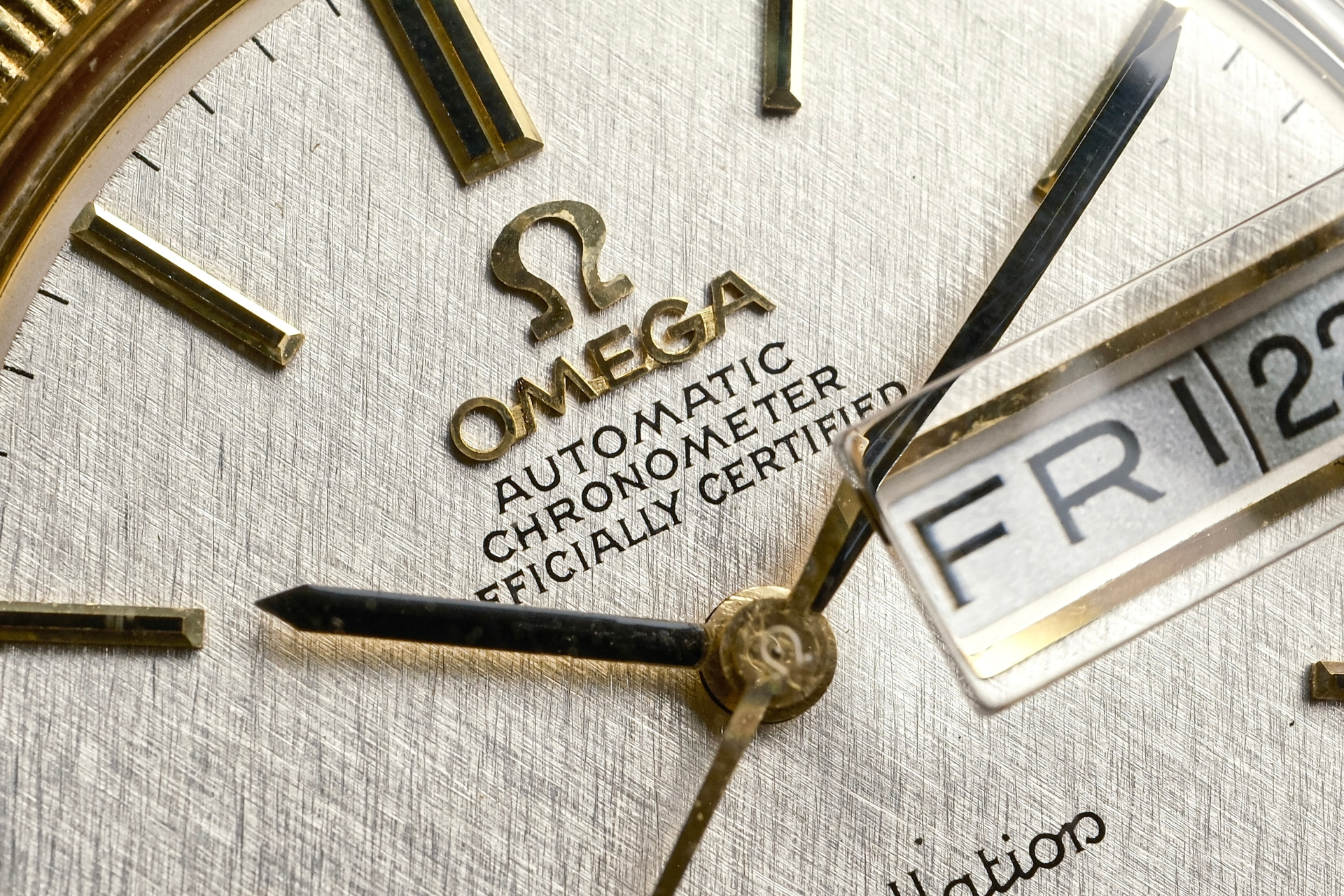
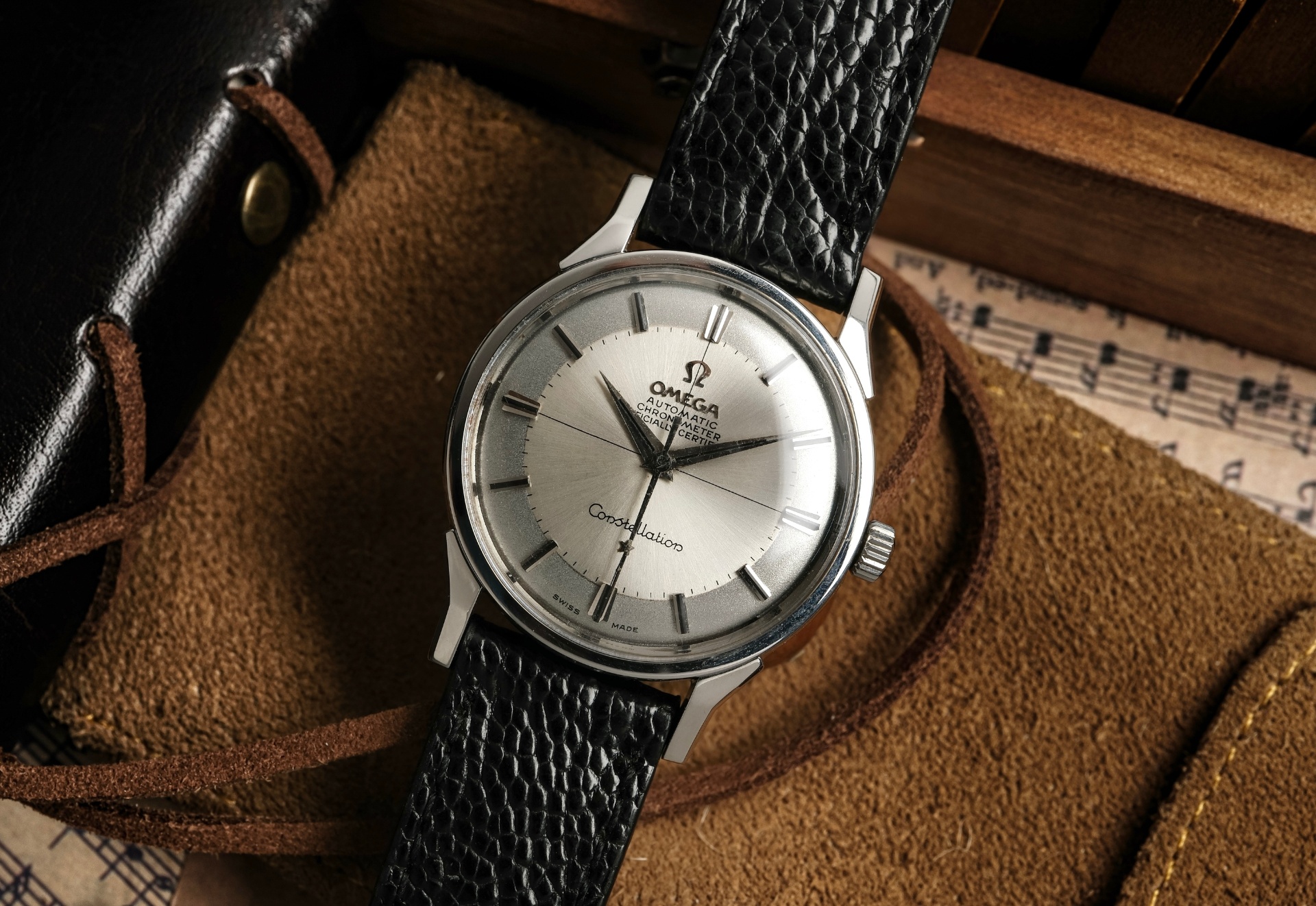
The Constellation line, launched in 1952, represented Omega's highest chronometric standards. The nickname 'Pie-Pan' refers to the distinctive faceted dial design that creates depth and catches light beautifully. These dials, combined with applied Omega logos, observatory medallion case backs, and chronometer-certified movements, established the Constellation as Omega's flagship dress watch.
Early Constellations from the 1950s and 1960s feature exceptional finishing and movement quality. The caliber 354, 505, and 561 represent peaks of Omega's in-house manufacturing capability. Case sizes typically range from 34mm to 36mm, proportions considered ideal for elegant dress watches.
Collectors should examine Constellation dials carefully. Original dials may show subtle patina, but the printing quality and applied elements should remain crisp. The observatory medallion on the case back should show clear definition. These details indicate pieces that have been properly cared for over decades of wear.
Understanding Omega Calibers
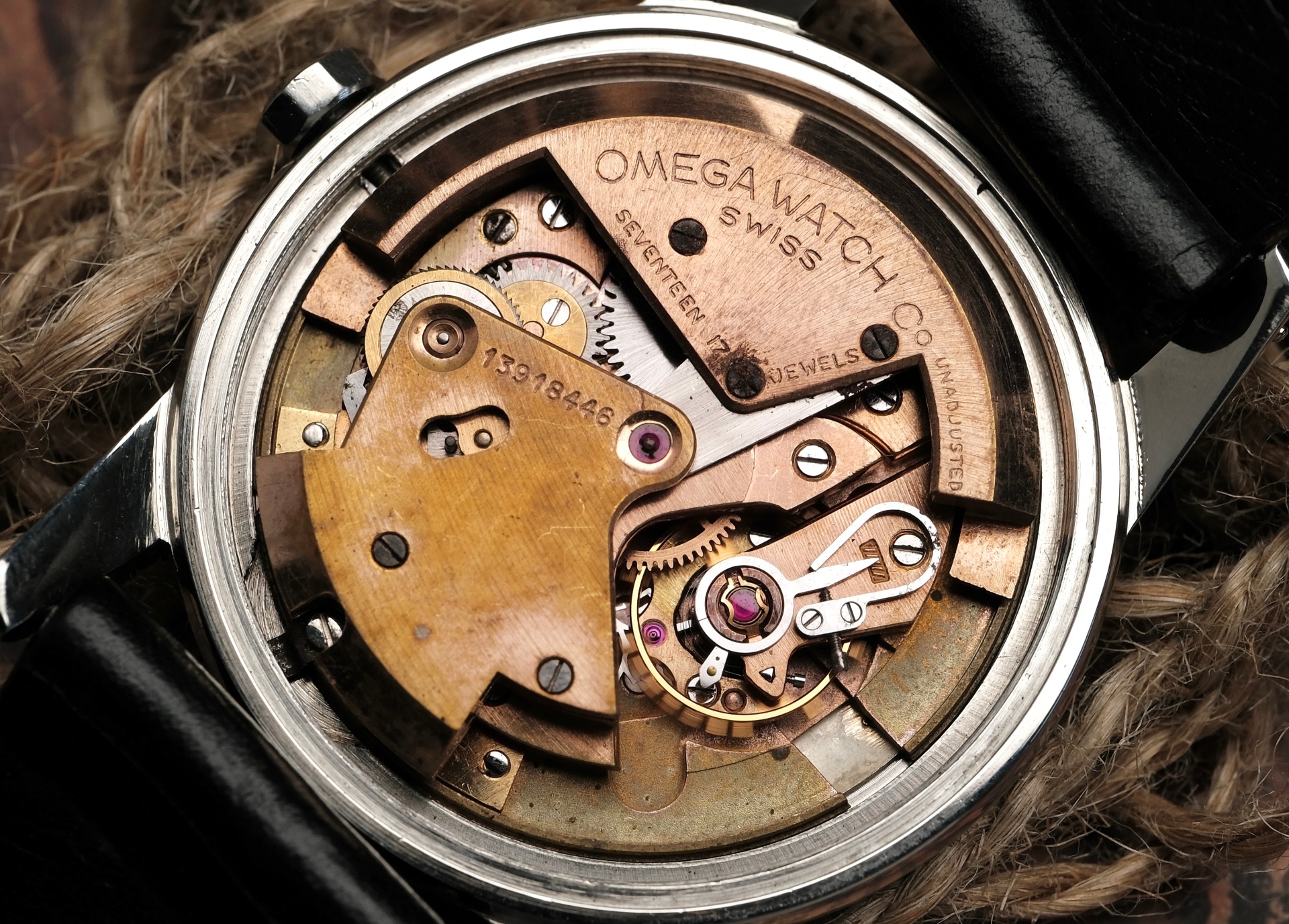
Omega's in-house calibers define the brand's horological achievement. The caliber 321, a hand-wound chronograph movement, powered early Speedmasters and remains among the most celebrated chronograph calibers ever produced. Its column-wheel design and exceptional finishing make it a reference point for collectors.
The caliber 861 replaced the 321 in 1968, using cam-actuated chronograph operation rather than a column wheel. While some collectors prefer the earlier movement, the 861 offers robust reliability and easier serviceability. Both represent legitimate Speedmaster heritage.
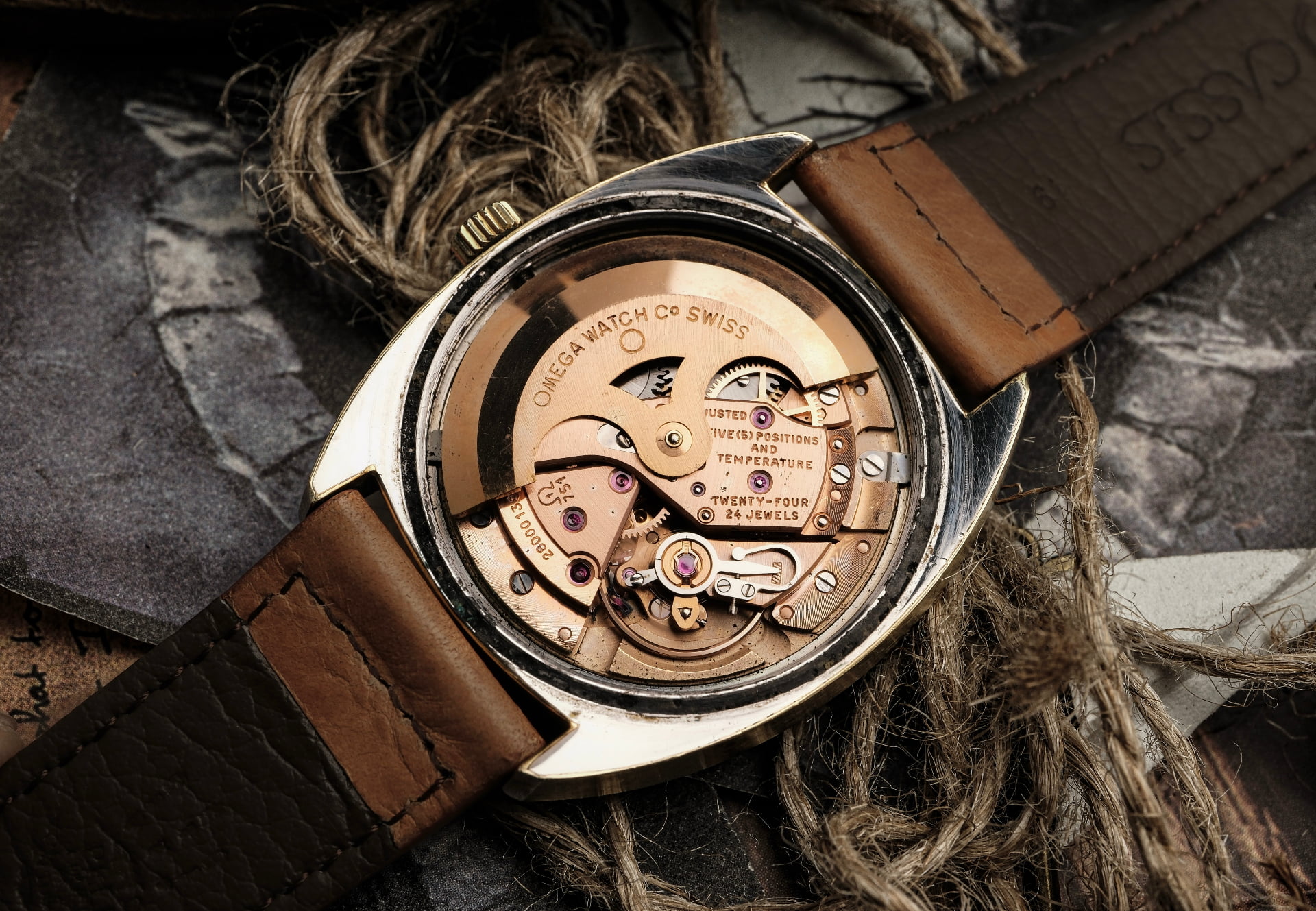
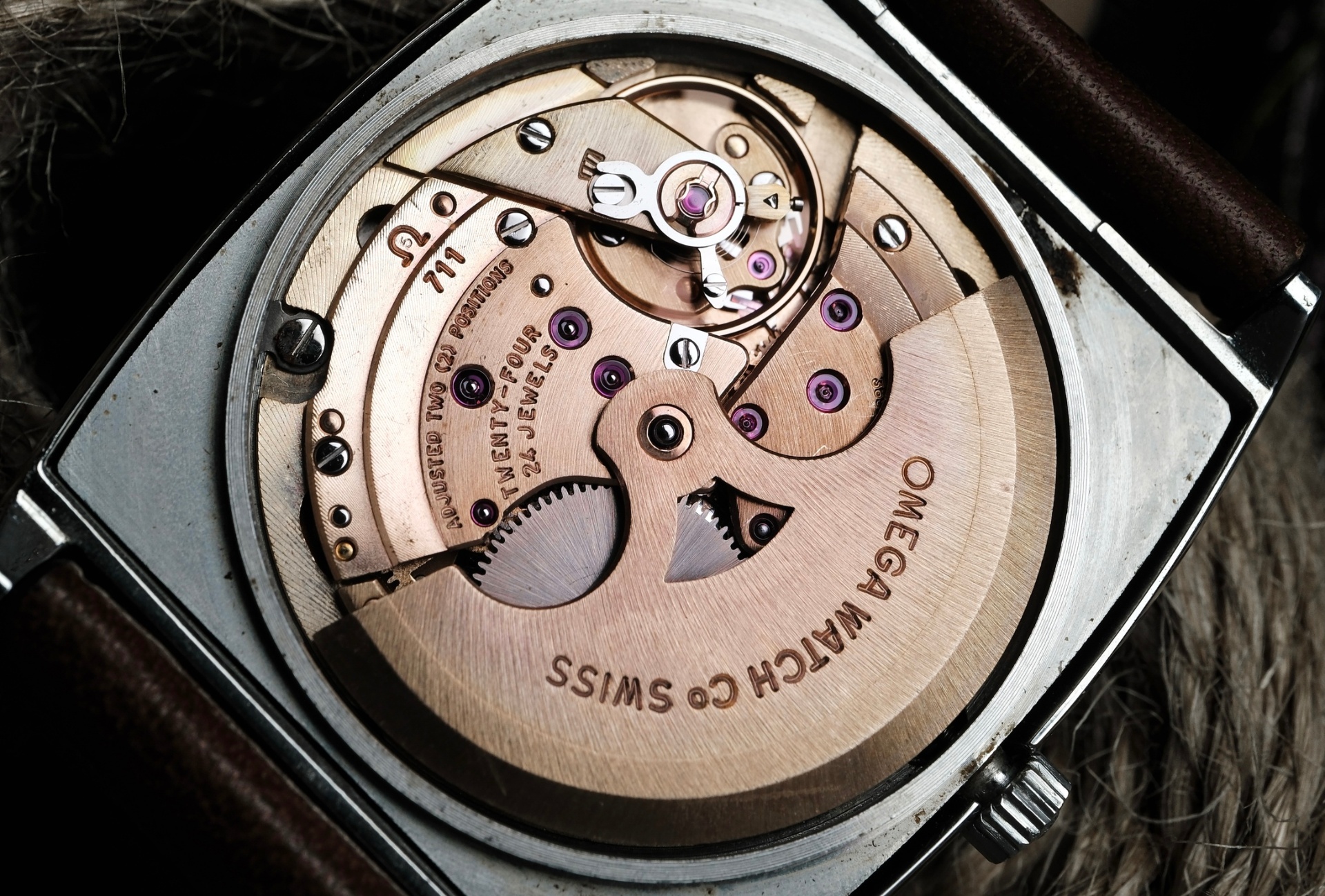
For time-only watches, the caliber 55x family (551, 552, 561, 564) represents Omega's automatic excellence. These movements, found in Seamasters and Constellations, feature chronometer certification, quickset date functions (in later variants), and exceptional long-term reliability when properly maintained.
Caliber 1040, one of the first automatic chronograph movements, appeared in Seamasters and Speedmasters during the 1970s. While less celebrated than its predecessors, this Lemania-based caliber represents an important chapter in Omega's technical development.
Case References and Dating
Omega's reference system evolved over decades, but understanding the basics helps collectors identify and date pieces. Early references beginning with CK denote stainless steel cases, while those starting with OT indicate gold. The transition to ST (steel) and other prefixes occurred in the 1960s.
Serial numbers, typically found on the movement, provide approximate production dates. Omega maintained detailed production records, and various online resources correlate serial ranges with years of manufacture. Cross-referencing case references with movement serials helps verify that a watch remains in its original configuration.
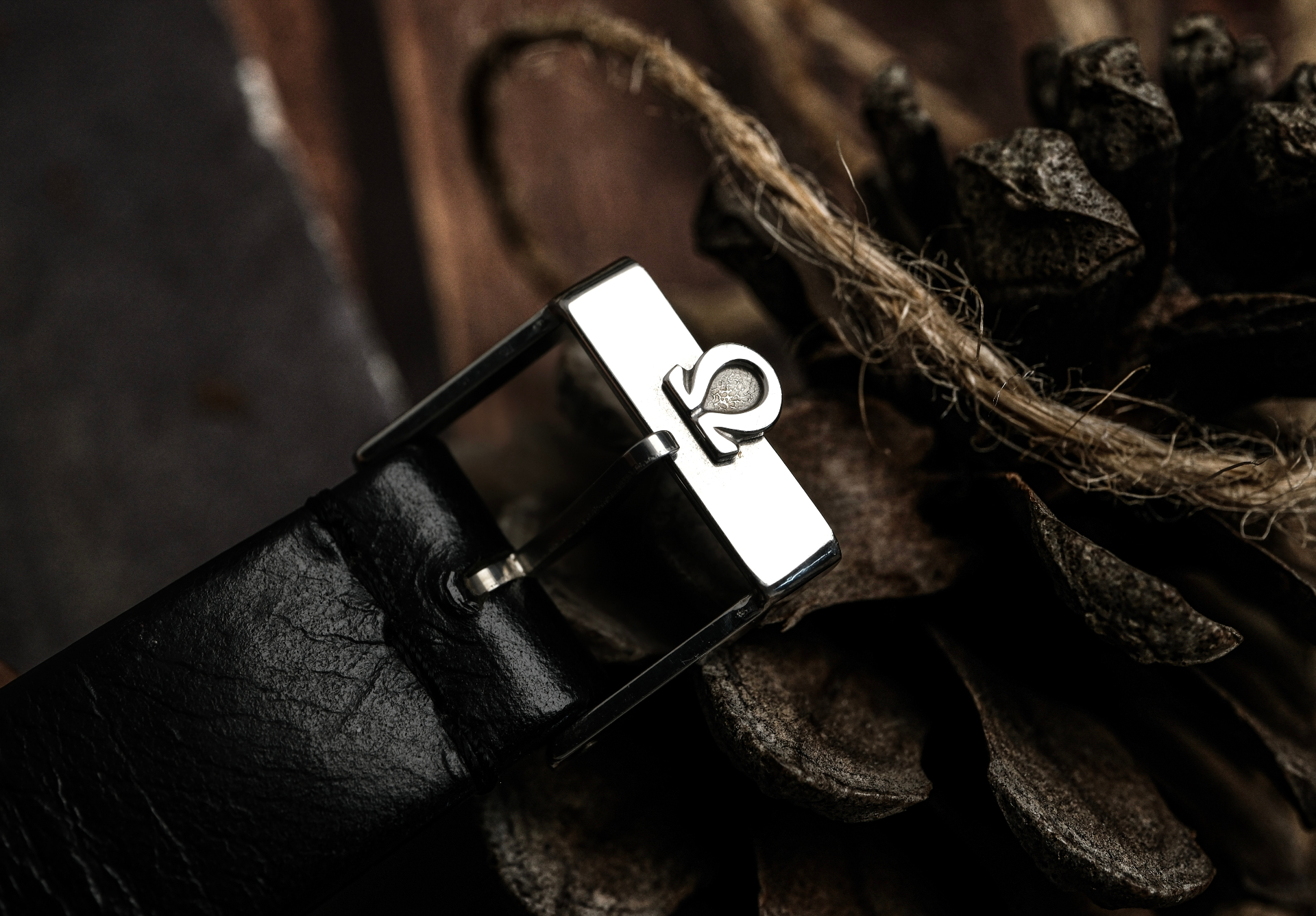
Case back markings offer additional information. The hippocampus (sea horse) logo appears on Seamaster case backs, while the observatory medallion adorns Constellations. These symbols should be appropriate to the model and era, providing another authentication checkpoint.
Dial Variations and Authentication
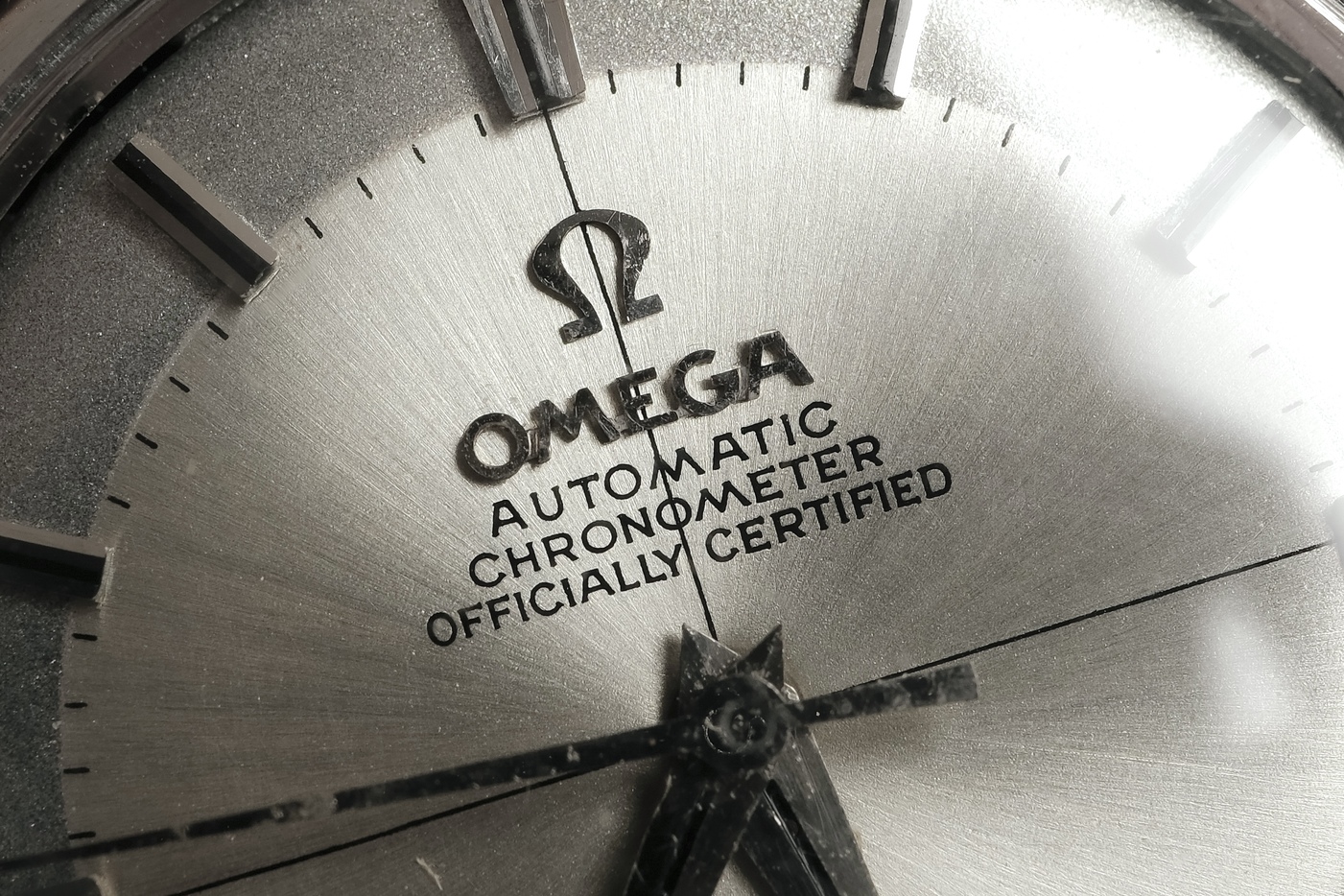
Omega produced countless dial variations across its model families, creating both opportunity and challenge for collectors. Understanding which dial styles are appropriate to specific references helps identify original configurations.
Authentic vintage Omega dials exhibit consistent printing quality, with sharp text and properly positioned logos. The applied Omega symbol should sit precisely at 12 o'clock, with correct proportions for the era. Tritium lume plots, where present, should show age-appropriate patina that matches between dial and hands.
Service dials exist throughout the Omega catalog, installed during factory service over the decades. While these are legitimate Omega products, collectors generally prefer original dials with age-appropriate characteristics. Examining dial feet positions and comparing with known references helps identify correct configurations.

Omega at Auction: What to Prioritize
When evaluating vintage Omega watches at auction, condition and originality drive value. A Speedmaster with matching dial, hands, and correct movement commands significantly more than one with replacement parts, even if the replacement parts are genuine Omega.
Photography tells the story. Study dial condition for signs of moisture damage, repainting, or inappropriate patina. Examine case proportions for evidence of aggressive polishing that removes metal and alters the original profile. Review movement images for signs of proper maintenance.
Omega's production volume means examples regularly appear at auction across all price ranges. This creates opportunities to compare similar references and wait for pieces in superior condition. Patience rewards collectors who understand what constitutes excellence in each model family.