Omega Seamaster 166.002: Versions, Dating and Buying Advice
The Omega Seamaster 166.002 is a 34-35 mm automatic date watch whose best buy is a steel example with an honest silver dial and coherent caliber.
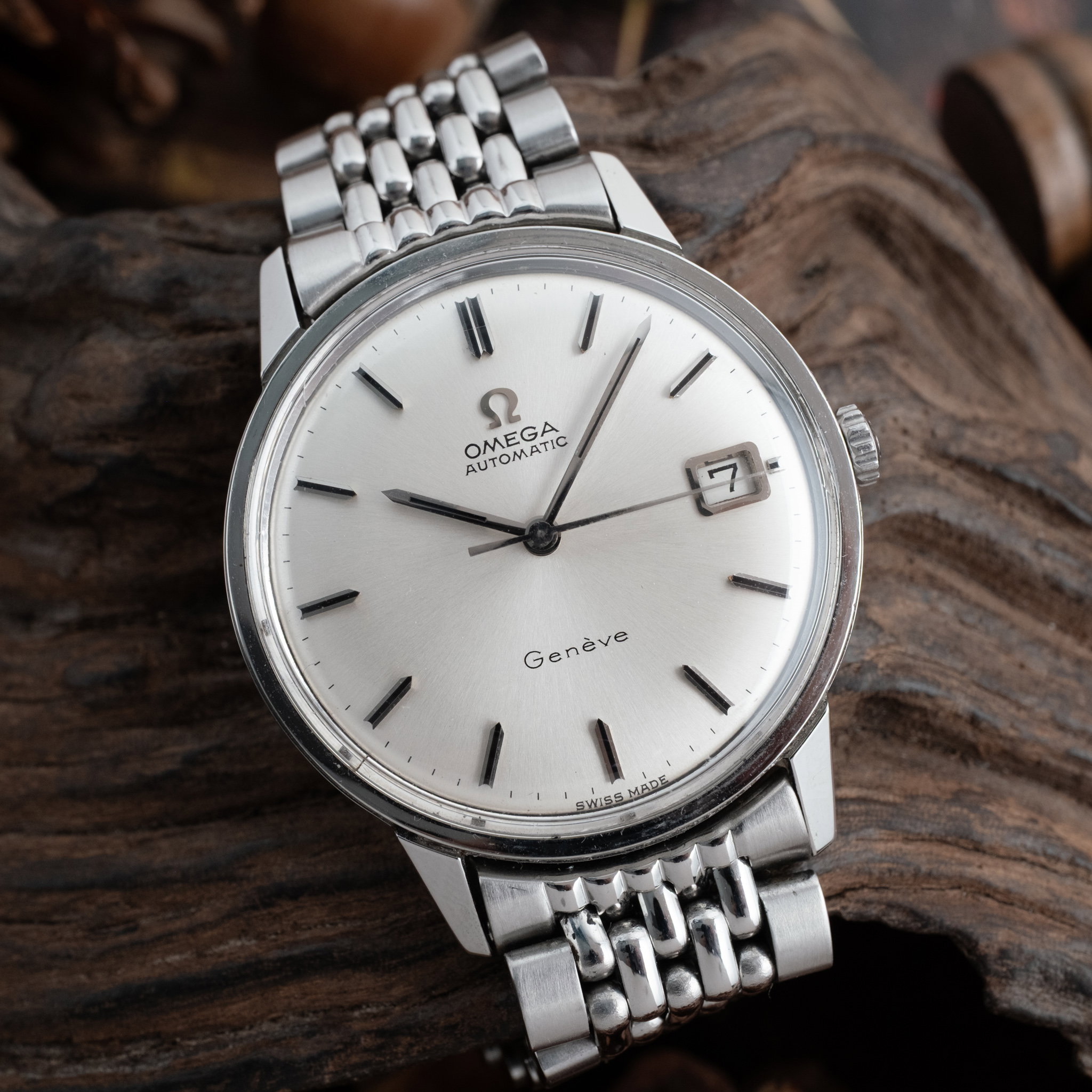
Live now
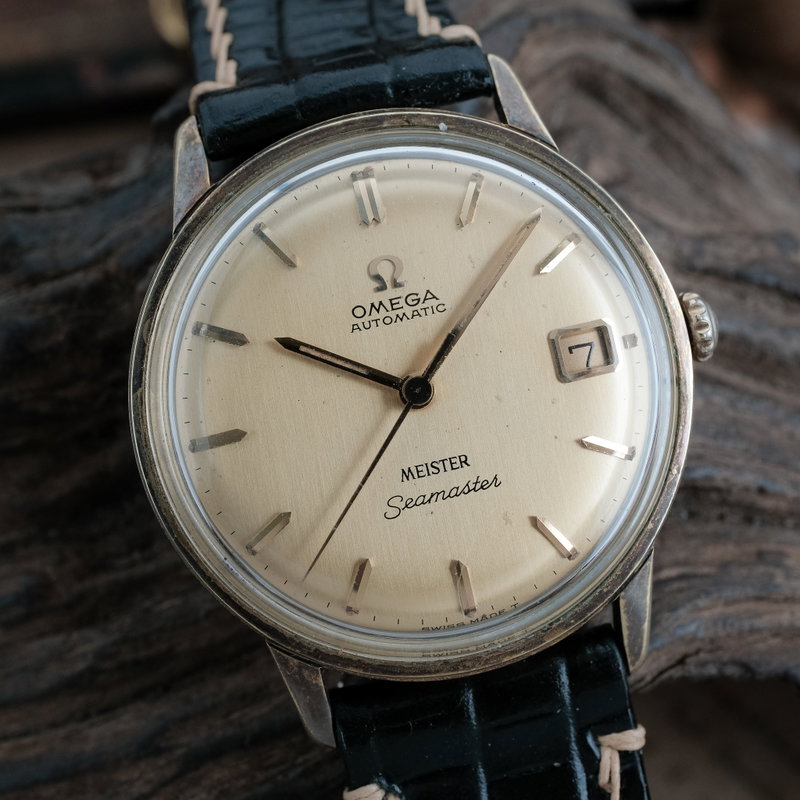
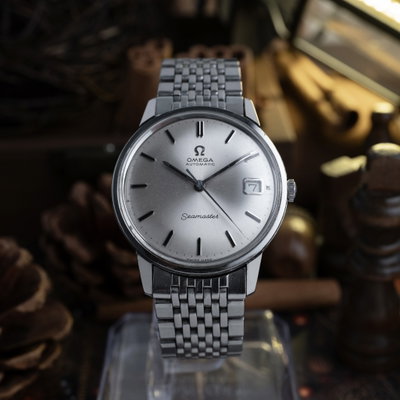
The Seamaster 166.002 belongs to the compact, automatic date-watch side of 1960s Omega. Examples from 1965-1967 pair a silver dial and framed date window with either caliber 562 or 565, while the case measures 34 or 35 mm without the crown. It has more everyday presence than the similarly restrained Genève name might suggest, yet still slips easily beneath a cuff.
Steel is the version to want ahead of the 40-micron gold-plated case. Plating can wear through permanently at exposed edges, whereas a steel case can remain coherent even after ordinary use. Across the vintage Omega Seamaster 166.002 examples we have handled, dial damage and incorrect combinations matter more than a millimetre of case-size difference.
Reference
166.002
Model
Seamaster
Known production years
1965-1967
Case diameter
34-35 mm excluding the crown
| Known case materials | Stainless steel or 40-micron gold-plated with stainless steel caseback |
| Movement type | Automatic |
| Known calibers | 562 and 565 |
| Known jewel count | 24 jewels |
| Dial and date | Silver dial with framed date window at 3 o'clock |
| Caseback detail | Hippocampus medallion |
The model landscape
The reference spans more than one specification. A 1965 steel example used caliber 562 in a 34 mm case, while a 1967 steel watch paired caliber 565 with a 35 mm case. Silver sunburst dials, applied faceted markers and a framed date at 3 o'clock recur, but marker layouts vary: baton-only arrangements exist alongside dials with applied Arabic numerals.
Take the steel caliber 565 version over a plated caliber 562 when dial quality and case definition are equal. That verdict is not about one caliber making the other invalid. It reflects the permanent wear risk of the 40-micron case and the broader visual versatility of steel. A coherent caliber 562 watch with a cleaner dial still outranks a damaged caliber 565 example.
What goes wrong
Dial damage costs the most. Silver surfaces develop spotting, and hands can oxidize heavily even where the applied furniture remains legible. An evenly aged surface can qualify as patina, but concentrated staining, disturbed printing or a refinished dial is damage. A genuine service dial is different from a redial, though neither should be described as the watch's original dial.
Plated cases wear through first at exposed lug edges, and no service puts the original 40-micron layer back. Steel cases avoid that failure mode, but polishing can still leave soft lugs and weak case lines. Crystals and crowns are consumable parts, while the Hippocampus medallion can lose definition through wear or polishing. Movement service history is unknown without dated documentation, regardless of current timegrapher performance.
Where to start
Start with a steel case, a legible silver dial and a movement whose caliber agrees with the rest of the watch. Between a sharp 34 mm caliber 562 example and a softened 35 mm caliber 565 at the same level, take the sharper case. One millimetre changes wrist presence less than rounded lugs change the character of this reference.
The strongest used Omega Seamaster 166.002 is not necessarily the cleanest-looking one. A lightly spotted original dial with oxidized hands can be more defensible than a bright redial, provided the damage is disclosed and the parts form a period-correct combination. Buy the honest steel watch ahead of plated shine or unexplained perfection.
Dating this watch
| Serial range / caliber | Year | Note |
|---|---|---|
| 22000000 | 1965 | approximate, ±1-3 years |
| 24000000 | 1966 | approximate, ±1-3 years |
| 25000000 | 1967 | approximate, ±1-3 years |
Dating data comes from our decoder tables; treat years as approximate.
What to check before you buy
- Dial and date layout: A known 166.002 dial is silver, including sunburst finishes, with applied markers and a framed date window at 3 o'clock. Applied baton layouts and applied Arabic numerals are both established, so printing and furniture must be judged as a complete configuration.
- Hands and dial ageing: Known examples use faceted hands, and oxidation can be visible on their metal surfaces. Bright replacement hands against a spotted dial are not proof of a franken watch, but the mismatch requires a clear service explanation rather than an all-original claim.
- Caseback and case metal: The caseback carries a Hippocampus medallion. Steel cases and 40-micron gold-plated cases with stainless steel backs are established; plating loss at the lug edges and a weak medallion indicate wear or polishing, not desirable patina.
- Movement coherence: Automatic calibers 562 and 565 are both known in reference 166.002. The caliber must be assessed with the watch's date and configuration, because a genuine Omega movement does not by itself exclude a married or franken watch.
- Redial and service-dial tells: A refinished dial may show printing inconsistent with the established silver surface, applied furniture and framed date layout. A genuine factory service dial is not a redial, but it is still a replacement and should be identified separately from an original dial.
Other 166.002 examples we auctioned
9 Omega 166.002 auctioned
Omega · Genève · 166.002
Omega · Seamaster · 166.002
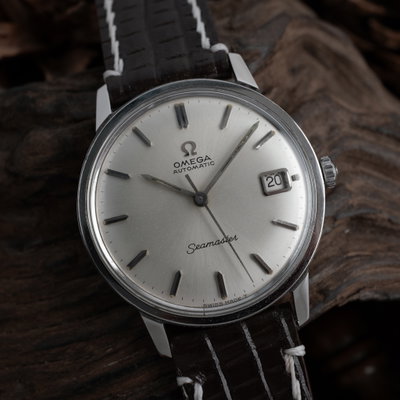
Omega · Seamaster · 166.002 · 1965
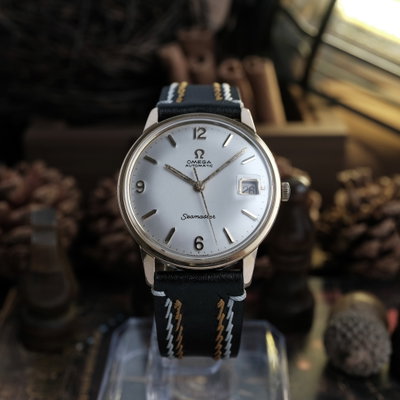
Omega · Seamaster · 166.002 · 1966
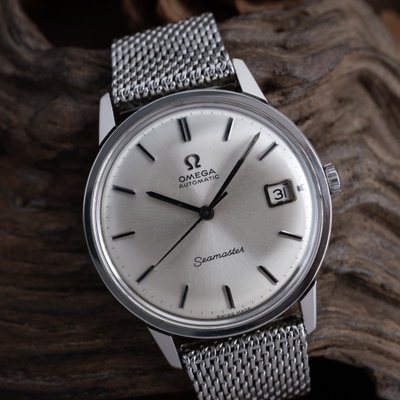
Omega · Seamaster · 166.002 · 1967
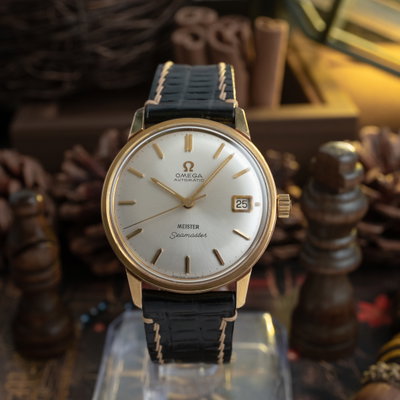
Omega · Seamaster · 166.002
Omega · Seamaster · 166.002 · 1967
We auction more than 100 vintage watches a week.
Get first access: new Omega 166.002 drops and alerts before auctions end.
More Omega references
Related pages
Frequently asked questions
Ready to hunt for your own?
More than 100 vintage watches go under the hammer every week.