Omega De Ville 511.254: What to Know Before You Buy
The Omega De Ville 511.254 is a 17 mm manual-wind dress watch best bought with a clean original dial, intact faceted crystal and coherent case and movement.
We auction more than 100 vintage watches a week.
Get first access: new Omega 511.254 drops and alerts before auctions end.
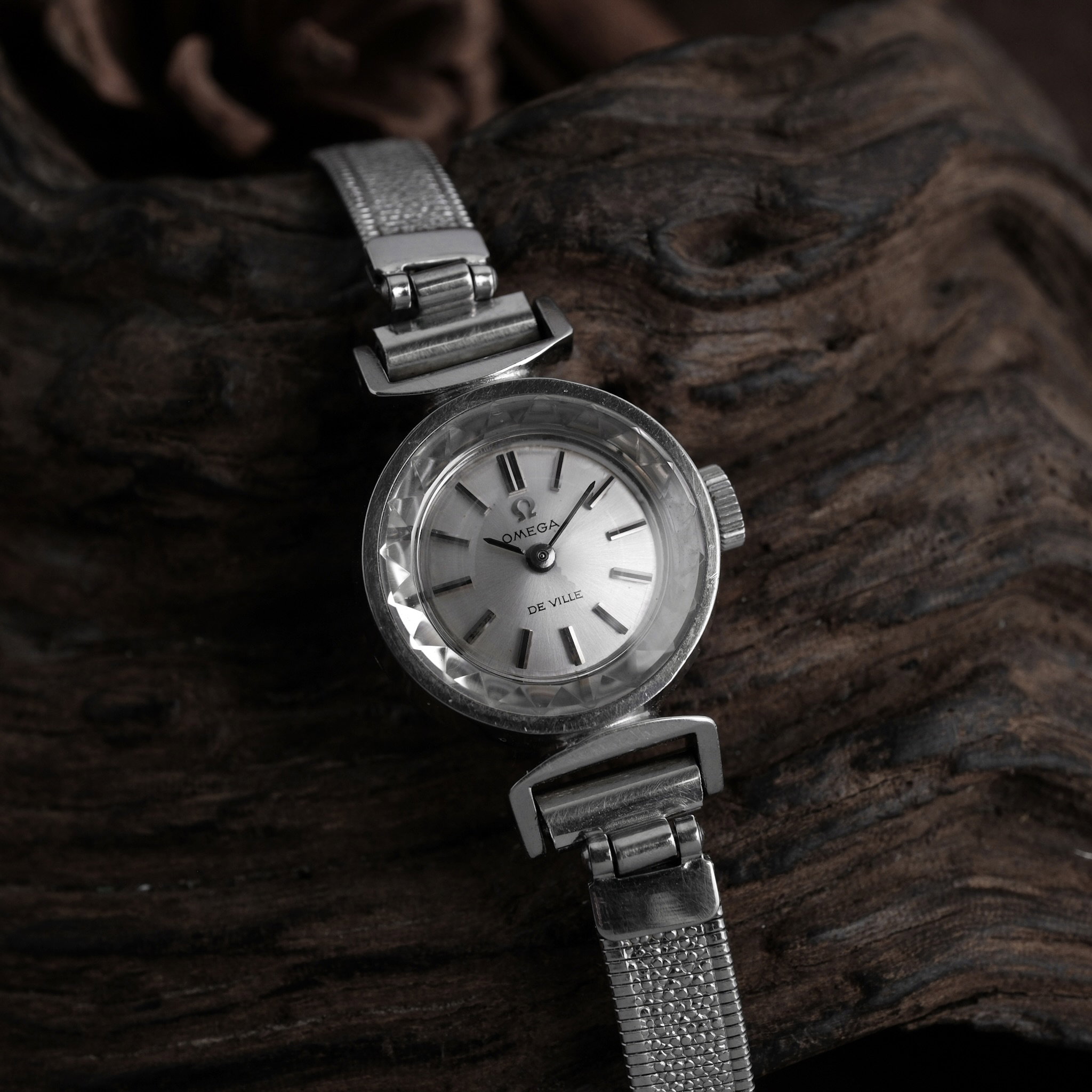
Browse 60 live Omega auctionsThe De Ville 511.254 is a small manual-wind dress watch built around a 17 mm case and a sharply faceted crystal. Its scale and light-catching crystal place it closer to a jewellery watch than a reduced everyday wristwatch, so the reference makes most sense when that deliberate proportion is what you want.
Steel is the safer starting point. It avoids irreversible plating loss, while the silver dial and dark hands retain the reference's strongest contrast. The gold-plated version has more visual warmth, but a refinished dial costs more than every ordinary case scratch combined, and worn plating cannot be returned by routine servicing.
Reference
511.254
Model
De Ville
Known production years
1966-1970
Case size
17 mm excluding the crown
| Case materials | Stainless steel or 20-micron gold-plated with stainless steel caseback |
| Movement | Manual wind |
| Known calibers | 484 and 485 |
| Jewel count | 17 jewels |
| Known dial finishes | Silver sunburst, vertically brushed silver, or vertically brushed gold-tone |
| Crystal | Faceted crystal |
The model landscape
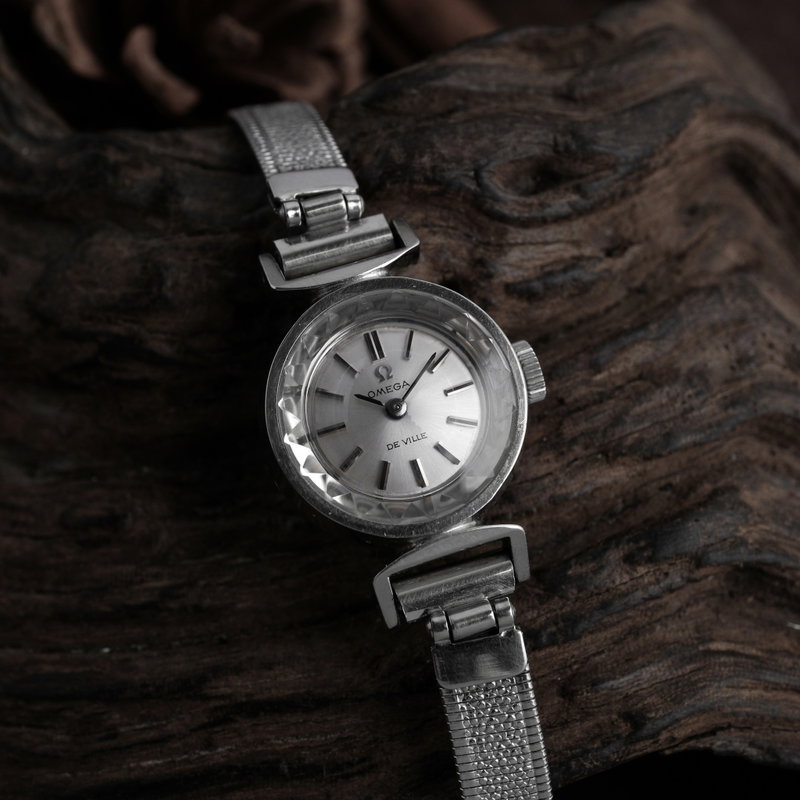
The steel version exists with a silver sunburst dial and caliber 484, while another steel execution pairs vertical brushing with caliber 485. Both use applied indices and dark baton hands, but the dial finish changes the character materially: sunburst finishing radiates from the centre, whereas vertical brushing gives a straighter, more architectural reflection.
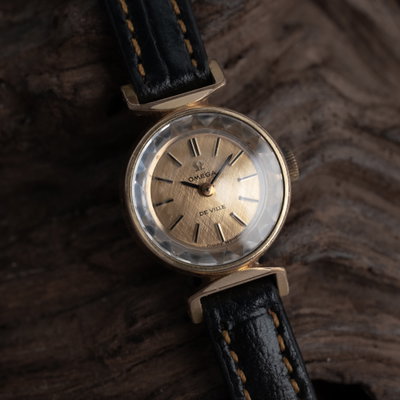
The gold-tone execution uses a 20-micron gold-plated case with a stainless steel back. Its vertically brushed dial is coherent with the warmer case, although wear-through at the lugs creates a permanent discount. Between a clean steel watch and a shinier plated watch with exposed base metal, take the steel example.
Value sits first in the dial, then the faceted crystal and case integrity. A clean silver or gold-tone surface with crisp printing carries a premium over a redial, while a matching mesh bracelet adds period character without compensating for dial work. A service dial is a genuine factory replacement, not a redial, but it still needs to be disclosed as a replacement.
On the wrist
At 17 mm without the crown, the 511.254 has a deliberately petite footprint. The faceted crystal gives the watch more presence than the case width suggests because each plane catches light above the dial. It slips under a cuff easily, but buyers accustomed to larger watches should treat the scale as the point rather than expect modern legibility.
The silver dials give the strongest contrast against dark hands and black-accented indices. Vertical brushing changes with wrist angle, while the sunburst finish spreads reflection around the centre. Manual winding also suits the thin visual profile, although the service history of any individual used Omega De Ville remains unknown without documentation.
What goes wrong
Plating loss is the costliest case fault on the gold-tone version. The 20-micron layer can wear through around the lugs and case edges, exposing the metal beneath, and no ordinary polish replaces it. Steel cases avoid that failure, but repeated polishing can still soften the bezel edge and make the compact lugs look mushy.
Faceted crystals deserve separate scrutiny because chips or polishing can blunt the planes that define this reference. Dials can acquire spotting, oil stains or a full refinish, while dark hands may corrode and lose contrast. Two operational examples still ran roughly 60 to 75 seconds slow per day, so running is not the same as serviced.
Movement swaps are another risk. The reference has been found with manual-wind calibers 484 and 485, both with 17 jewels, so an automatic movement or unrelated caliber is a franken warning. A case and movement taken from different watches are married even when both parts are genuine Omega.
Dating this watch
| Serial range / caliber | Year | Note |
|---|---|---|
| 24,000,000 | 1966 | approximate, ±1-3 years |
| 25,000,000 | 1967 | approximate, ±1-3 years |
| 26,000,000 | 1968 | approximate, ±1-3 years |
| 28,000,000 | 1969 | approximate, ±1-3 years |
| 31,000,000 | 1970 | approximate, ±1-3 years |
Dating data comes from our decoder tables; treat years as approximate.
What to check before you buy
- Dial and hands: Known dials are silver sunburst, vertically brushed silver, or vertically brushed gold-tone, with applied indices and dark hands. Blurred printing or a finish outside these configurations requires caution.
- Movement: The 511.254 has been handled with manual-wind caliber 484 or 485, each marked for 17 jewels. An automatic movement or unrelated caliber is a concrete franken warning.
- Case construction: Known cases are stainless steel or 20-micron gold-plated with a stainless steel back, all measuring 17 mm without the crown. Plating wear is damage, not patina.
- Faceted crystal: The crystal should retain distinct, light-catching planes. Rounded facets, deep polishing or edge chips alter the reference's defining geometry even when the crystal remains usable.
- Configuration coherence: A silver sunburst or vertically brushed silver dial belongs with the known steel executions, while the gold-tone vertically brushed dial is known in the plated case. Mixed parts may indicate a franken watch.
Other 511.254 examples we auctioned
3 Omega 511.254 auctioned
More Omega references
Related pages
Frequently asked questions
Ready to hunt for your own?
More than 100 vintage watches go under the hammer every week.