Omega Genève 135.041: What to Know Before You Buy
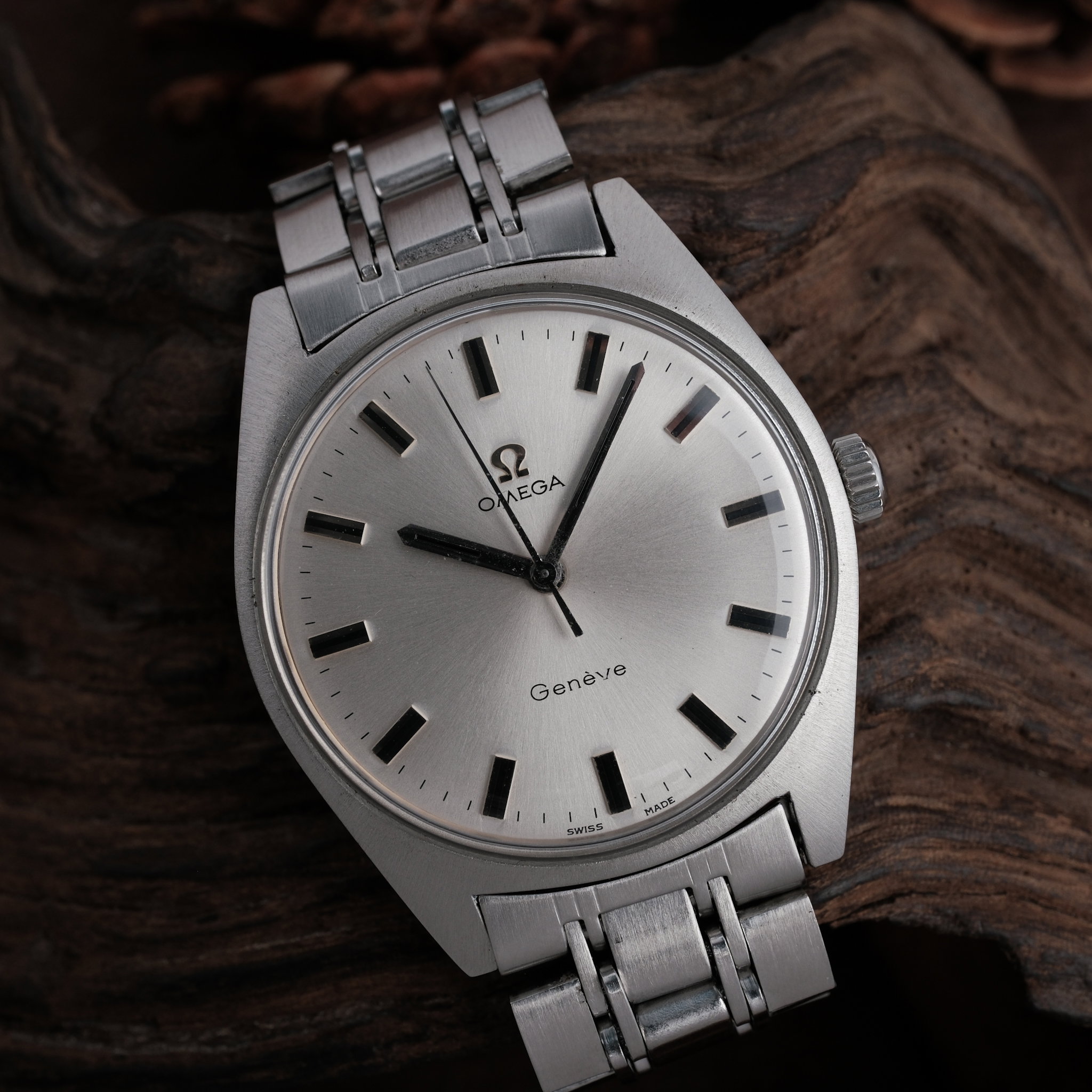
Omega reference 135.041 is a 1968-1970 steel Genève with a 34-35 mm case, silver sunburst dial and manual-wind caliber 601.
We auction more than 100 vintage watches a week.
Get first access: new Omega 135.041 drops and alerts before auctions end.
Browse 60 live Omega auctionsThe Omega Genève 135.041 makes the strongest case for itself as a compact steel watch from 1968-1970, not as a miniature dress piece. Its silver sunburst dial, applied black-insert indices and manual-wind caliber 601 give it enough contrast for daily use, while the restrained case keeps the period character intact.
The version to want is the one with the best honest dial and the sharpest remaining case lines. We have handled the 135.041 at both 34 mm and 35 mm, a small recorded spread that can noticeably change its presence on the wrist. A refinished dial costs more in lost value than light case wear, while a personal presentation engraving belongs in the price rather than being disguised as harmless patina.
Reference
135.041
Model
Genève
Known production years
1968-1970
Case material
Stainless steel
| Handled case sizes | 34 mm and 35 mm |
| Movement | Manual-wind Omega caliber 601 |
| Jewel count observed | 17 jewels |
| Dial configuration | Silver sunburst with applied black-insert indices |
What it was built for
The 135.041 belongs to the 1968-1970 Genève period and uses Omega's manual-wind caliber 601. The absence of automatic winding keeps the watch mechanically direct: winding becomes part of daily ownership, and the movement should be judged on condition and documented work rather than a seller's unsupported service claim. One handled caliber 601 was marked with 17 jewels, but the service history of any individual watch remains unknown without receipts.
At 34-35 mm in stainless steel, the case reads compact by current standards but not visually weak. The silver sunburst surface changes with the light, while black hands and applied black-insert indices preserve legibility. It works best on a slim strap and sits naturally with a cuff. Between equal examples, the 35 mm case carries slightly more wrist presence, but an honest 34 mm dial and case outrank a softer larger example.
Where the value sits
Most of the value sits in the silver sunburst dial. Clean printing, an applied Omega logo and correctly matched black-insert indices matter more than superficial case brightness, because polishing can imitate shine while a redial permanently changes the watch collectors are buying. The strongest examples retain a coherent monochrome appearance, with hands and markers ageing together rather than looking newly assembled from unrelated parts.
Case condition creates the next meaningful spread. Sharp case lines and surviving brushed and polished surfaces earn a premium over rounded edges, but a Japanese presentation engraving can be acceptable when disclosed and priced accordingly. It is evidence, not patina. Between a sharply defined engraved watch and a blank case with mushy lines, take the sharper watch if the dial is equally honest. Engraving removal sacrifices metal and rarely improves the case.
What goes wrong
The worst fault is a refinished dial, followed by a married movement and case. Over-polishing softens the case lines and can blur the boundary between brushed and polished surfaces, while careless opening marks damage the caseback. Personal engravings are permanent unless metal is removed. A replacement crown may be functional, but without documentation and a known period comparison, its originality should not be claimed.
Movement condition cannot be settled by a clean exterior. Caliber 601 should wind, set and run consistently, yet a timegrapher result records only one moment and does not establish a full service history. The approximate Omega serial table also carries a tolerance of one to three years, so serial dating should support the 1968-1970 reference window rather than override the watch. Buy the honest dial and defined case against the brighter redial or heavily polished alternative.
Dating this watch
| Serial range / caliber | Year | Note |
|---|---|---|
| 26000000 | 1968 | approximate, ±1-3 years |
| 28000000 | 1969 | approximate, ±1-3 years |
| 31000000 | 1970 | approximate, ±1-3 years |
| 32000000 | 1971 | approximate, ±1-3 years |
Dating data comes from our decoder tables; treat years as approximate.
What to check before you buy
- Dial and furniture: The known 135.041 configuration has a silver sunburst dial, applied Omega logo and applied indices with black inserts. Black hands should form a coherent set with that furniture; mismatched ageing can indicate replacement parts or a franken assembly.
- Movement identity: The movement should be the manual-wind Omega caliber 601. A signed movement alone is insufficient, because a genuine caliber can be married to a case from another watch. Its condition and any service claim require separate evidence.
- Case size and material: Handled 135.041 cases are stainless steel and measure 34 mm or 35 mm. Soft case lines, blurred brushed-to-polished boundaries and excessive caseback smoothing diagnose polishing rather than proving the watch false.
- Reference and dating fit: The case reference must read 135.041, exactly as listed. Serial guidance should sit plausibly around the known 1968-1970 production span, allowing the published tolerance of one to three years rather than forcing an exact year.
- Engraving disclosure: A presentation engraving can be genuine to the watch's ownership history without proving factory provenance. Its wording and location should be described plainly, and signs of grinding or thinning around it indicate attempted removal.
Other 135.041 examples we auctioned
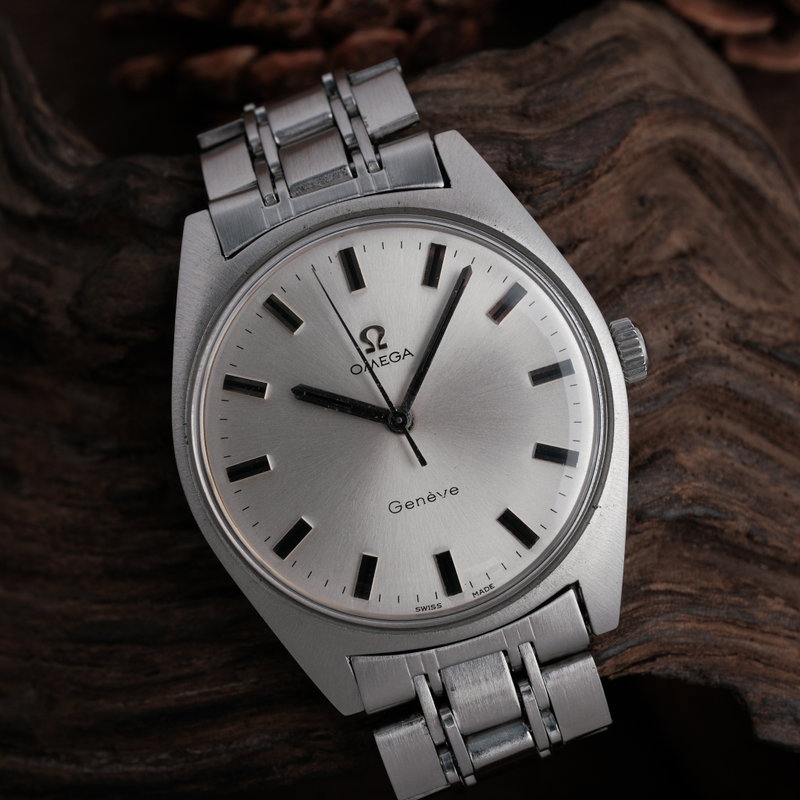
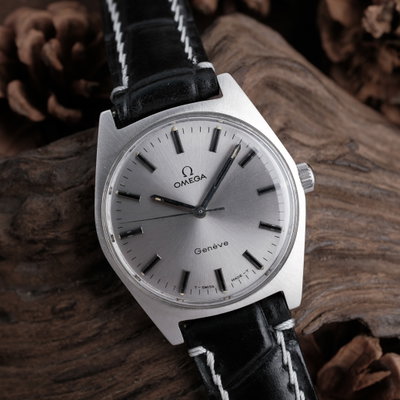
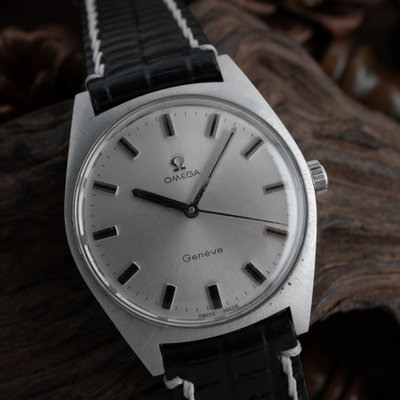
5 Omega 135.041 auctioned
More Omega references
Related pages
Frequently asked questions
Ready to hunt for your own?
More than 100 vintage watches go under the hammer every week.