Seiko 7619-9010 Sportmatic Deluxe Reference Guide
The Seiko 7619-9010 is a 38 mm automatic with a silver sunburst dial, day-date display, recessed crown and separate date pusher.
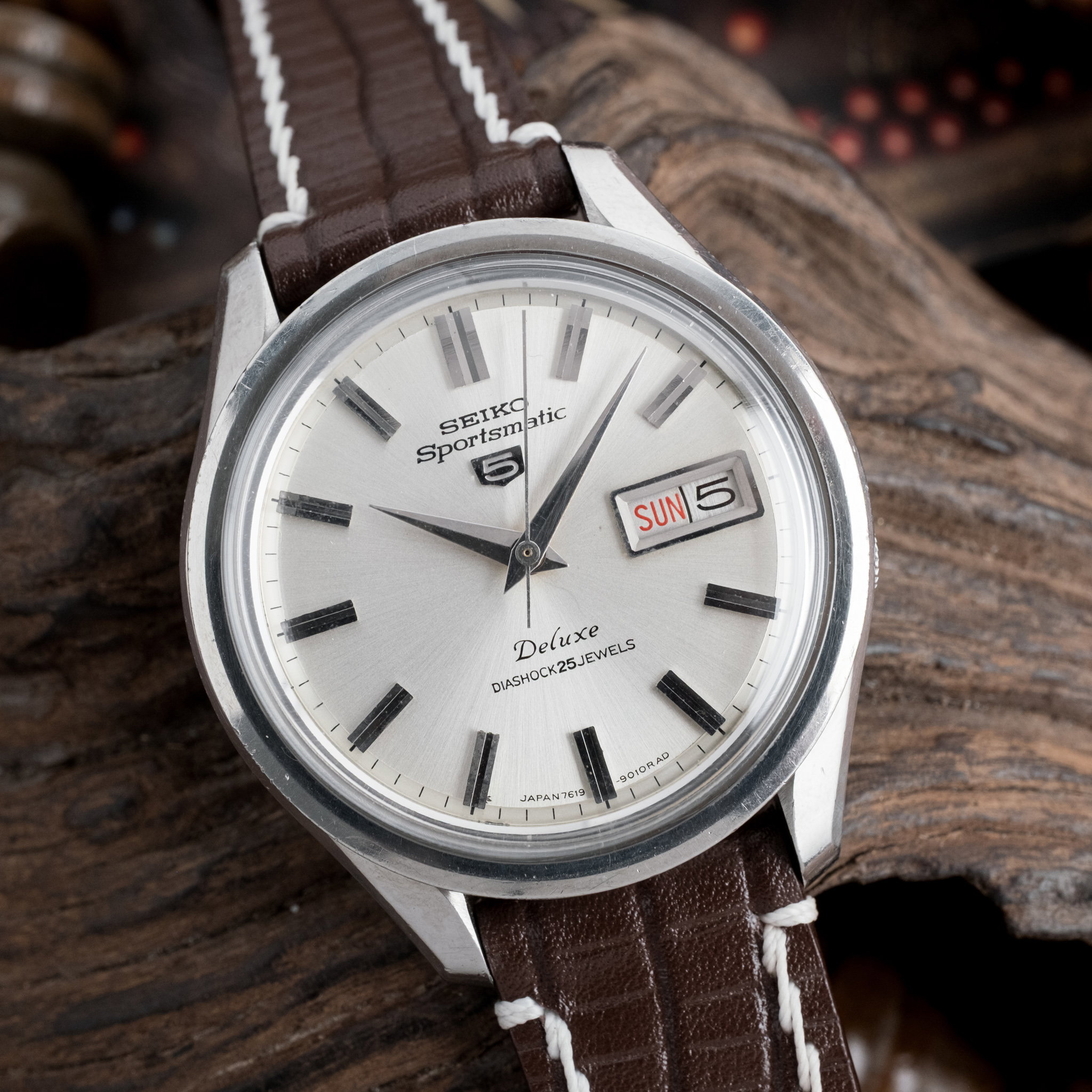
The Seiko 7619-9010 makes most sense as a large mid-century automatic with an unusually discreet control layout. At 38 mm excluding the crown, the Sportsmatic 5 Deluxe has more wrist presence than its recessed crown suggests, while a separate pusher handles the date.
Examples handled from 1966 to 1967 establish the essential specification: caliber 7619A, a day-date display and a silver sunburst dial with applied indices. Steel is the safer version to buy against gold-tone because plating wear cannot be reversed, but the dial remains the largest value decision in either case.
Reference
7619-9010
Model
Sportmatic Deluxe
Known production years
1966-1967
Movement
Automatic caliber 7619A
| Jewel count | 25 jewels |
| Case diameter | 38 mm excluding the crown |
| Known case materials | Stainless steel and gold-tone |
| Dial | Silver sunburst with applied indices |
| Calendar | Day-date display with dedicated date pusher |
| Crown position | Recessed at four o'clock |
What it was built for
The 7619-9010 combines automatic winding with a day-date display at three o'clock, placing everyday information ahead of external controls. Its crown sits recessed at four o'clock, and the dedicated date pusher at two o'clock keeps correction separate from ordinary hand-setting. That arrangement gives the case a cleaner outline than a conventional projecting crown.
Caliber 7619A is the movement to find inside this reference, and examples handled include 25-jewel specifications. The silver sunburst dial, applied block indices and dauphine hands give the watch its period character without compromising legibility. A dolphin motif on the caseback belongs to known steel examples, but wear can make its remaining definition more informative than its mere presence.
The model landscape
The meaningful choice is between stainless steel and gold-tone cases. Steel tolerates ordinary wear more honestly, whereas gold-tone cases can lose plating at the lugs and case edges, exposing a permanent contrast that servicing cannot remove. Between a clean steel case with moderate marks and a brighter gold-tone case with plating loss, take the steel watch.
Dial quality can reverse that verdict. A clean silver sunburst dial with crisp printing and intact black index inserts is worth accepting more case wear for, because refinishing removes the radial character and changes the typography. Known 7619-9010 examples span 1966 to 1967, but the available evidence does not establish when either case material entered or left production.
What goes wrong
Plating loss is the first fault on a gold-tone 7619-9010, especially around the lugs and exposed case edges. Steel cases avoid that problem, but repeated polishing softens their lug geometry and reduces the definition of the dolphin caseback. A replaced crown also disrupts the intended recessed fit, while damage around the date pusher can indicate careless use or incorrect parts.
The dial carries the larger financial penalty. Moisture spotting, staining around the day-date aperture and a redial matter more than ordinary case scratches; a genuine service dial would be a factory replacement, not a refinished original. Applied indices should remain properly seated, and black inserts should match across the dial rather than look selectively renewed.
Movement condition cannot be settled by appearance alone. Caliber 7619A should operate the automatic winding, day-date display and separate date correction correctly, but the service history is unknown without supporting documentation. A functioning watch can still need mechanical work, so running rate is evidence from one test rather than proof of a completed service.
What to check before you buy
- Dial layout and finish: The known configuration uses a silver sunburst dial, applied indices and a day-date aperture at three o'clock. Flat paint, blurred printing or an interrupted radial finish points toward a redial rather than honest ageing.
- Crown and date pusher: The crown should sit recessed at four o'clock, with a separate date pusher at two o'clock. A projecting replacement crown or damaged pusher surround changes the intended case profile and may indicate incorrect parts.
- Movement identity: The movement should be automatic caliber 7619A, with handled examples marked at 25 jewels. A different caliber makes the watch franken or married, even when the substituted movement is a genuine Seiko component.
- Caseback and case wear: Known steel examples carry the Seiko dolphin motif. Assess its definition alongside the lugs, because a faint motif and softened edges can confirm substantial polishing rather than normal isolated scratches.
- Indices and hands: Applied block indices with black inserts and dauphine hands belong to known examples. Unevenly renewed inserts, loosely seated markers or hands that conflict in finish can reveal a relume or parts assembled from different watches.
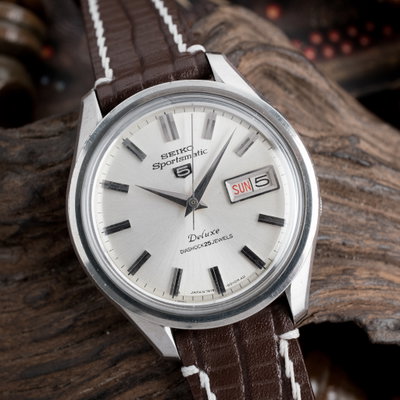
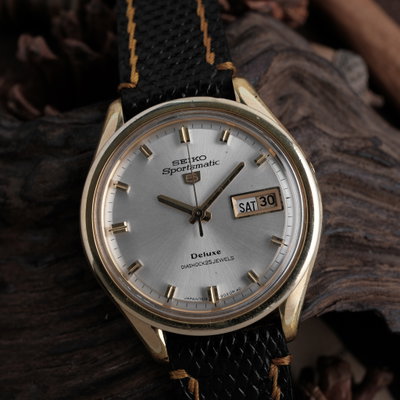
Other 7619-9010 examples we auctioned
More Seiko references
Related pages
Frequently asked questions
Ready to hunt for your own?
More than 100 vintage watches go under the hammer every week.