Japanese Mastery
Seiko transformed the watch industry through relentless innovation and exceptional value. From the company's founding in 1881 to the quartz revolution it sparked in 1969, Seiko has consistently challenged assumptions about what affordable watchmaking can achieve.
For collectors, vintage Seiko offers remarkable depth. Professional dive watches competed with Swiss counterparts at fraction of the price. Chronographs introduced groundbreaking technology. Grand Seiko demonstrated that Japanese craftsmanship could match or exceed European standards. Understanding these achievements opens a collecting field of exceptional variety and value.
The Professional Diver Lineage
Seiko's dive watch heritage began with the 1965 62MAS (reference 6217-8000/8001), Japan's first purpose-built dive watch rated to 150 meters. The 62MAS established design principles that would define Seiko divers for decades: legibility, reliability, and robust construction that exceeded its specifications.
The 6105-8000 and 6105-8110 models of the late 1960s and early 1970s, known to collectors as the 'Captain Willard' after their appearance on Apocalypse Now, refined the formula. These watches achieved 150-meter ratings with distinctive asymmetrical cases that protected the crown during underwater use.
The 6159-7001, Seiko's first professional 300-meter diver, introduced the monocoque case construction that would characterize serious Seiko divers. Later references like the 6309 and 7002 brought professional-grade performance to more accessible price points, creating the foundation for modern Seiko dive watch popularity.
Seiko Chronographs and the 6139 Revolution
When Seiko introduced the 6139 caliber in 1969, it joined Zenith and Chronomatic in the race to produce the first automatic chronograph. The 6139 featured integrated construction, vertical clutch engagement, and a column wheel, all hallmarks of sophisticated design. Some horologists argue it was the first automatic chronograph to reach consumers.
The 6138 caliber followed, adding a second sub-dial for 12-hour recording. These movements powered distinctive designs like the 'Pogue' (worn by astronaut William Pogue on Skylab), 'Panda' variants with contrasting sub-dials, and the 'Bullhead' with its crown-up orientation.
Seiko chronographs from this era offer extraordinary value. The movements are robust and serviceable, the designs are bold and distinctive, and prices remain accessible compared to Swiss chronographs of similar complexity. For collectors interested in mechanical chronographs, vintage Seiko provides an exceptional entry point.
Understanding Seiko Nicknames
The Seiko collector community has developed an extensive nickname vocabulary that helps identify models. The 'Turtle' refers to the cushion-cased 6309 and 6306 divers, named for their shell-like profile. The 'Willard' describes 6105 models, referencing Captain Willard's timepiece in Apocalypse Now.
The 'Tuna' encompasses various professional divers with shrouded cases, including the 7549 and 6159 models rated to 600 meters and beyond. The 'Sumo' identifies modern SBDC divers with broad, powerful proportions. These nicknames create a shorthand that experienced collectors use fluently.
Understanding this vocabulary helps when searching for specific models and communicating with other collectors. The nicknames often capture distinctive design elements more evocatively than reference numbers alone, building community around shared enthusiasm for these remarkable watches.
Grand Seiko and King Seiko Distinction
Grand Seiko, introduced in 1960, represented Seiko's bid for ultimate horological excellence. The original specifications demanded accuracy rivaling Swiss chronometer standards, finishing matching European masters, and designs of refined elegance. The 1960s and 1970s produced Grand Seiko and King Seiko models that validated this ambition.
King Seiko, produced at the Suwa factory while Grand Seiko came from Daini Seikosha, represented a parallel pursuit of excellence. The internal competition drove both lines to remarkable achievements. Vintage pieces from both lines offer exceptional movement finishing at prices well below comparable Swiss pieces.
Collectors value the 44GS case design from 1967, considered a masterpiece of angular elegance. The hand-applied indices, zaratsu polishing, and attention to dial composition create watches that reward close examination. Understanding the different grammar of design between these lines helps collectors identify pieces that align with their aesthetic preferences.
The Lord Matic and Facet-Cut Glass Era
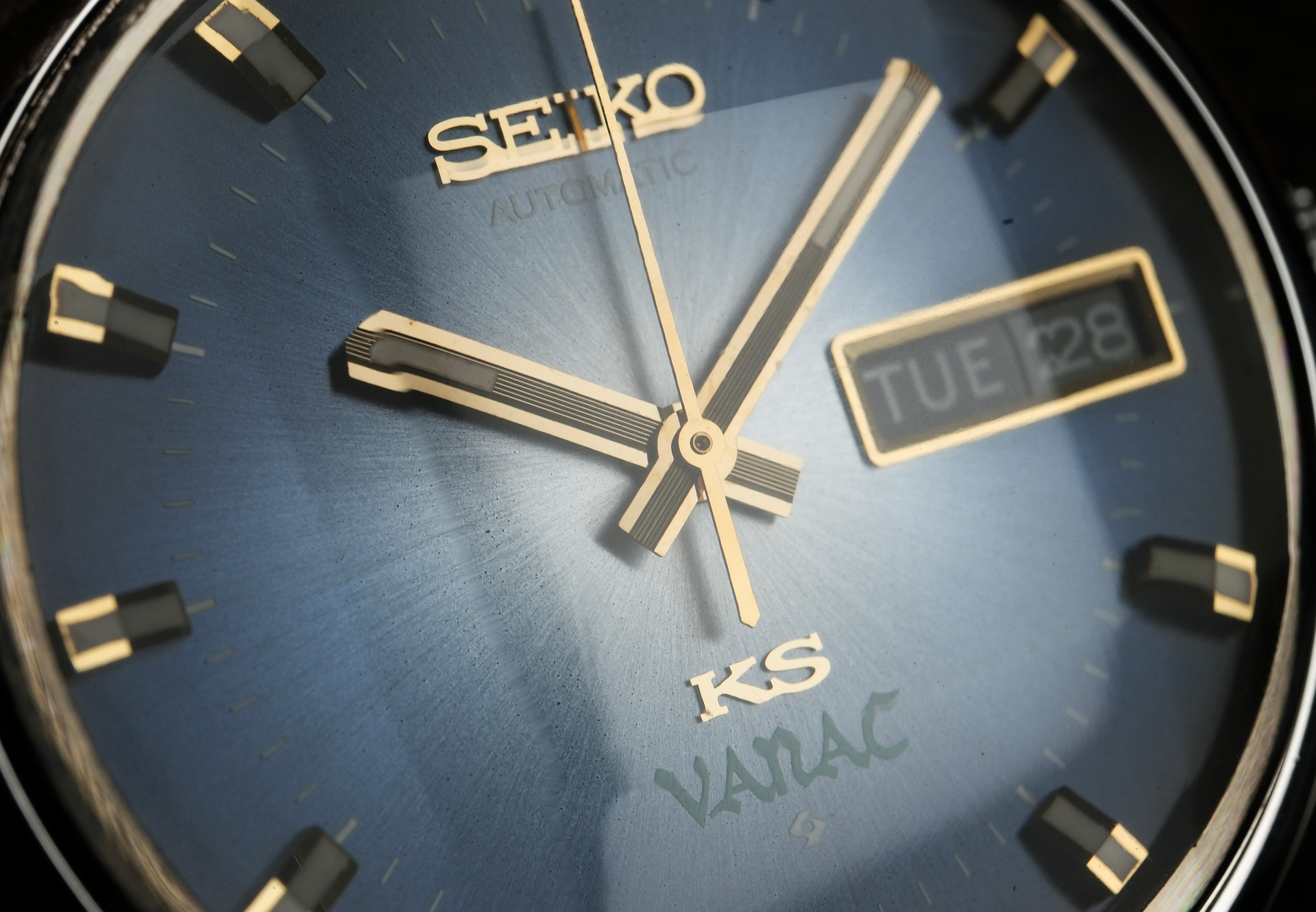
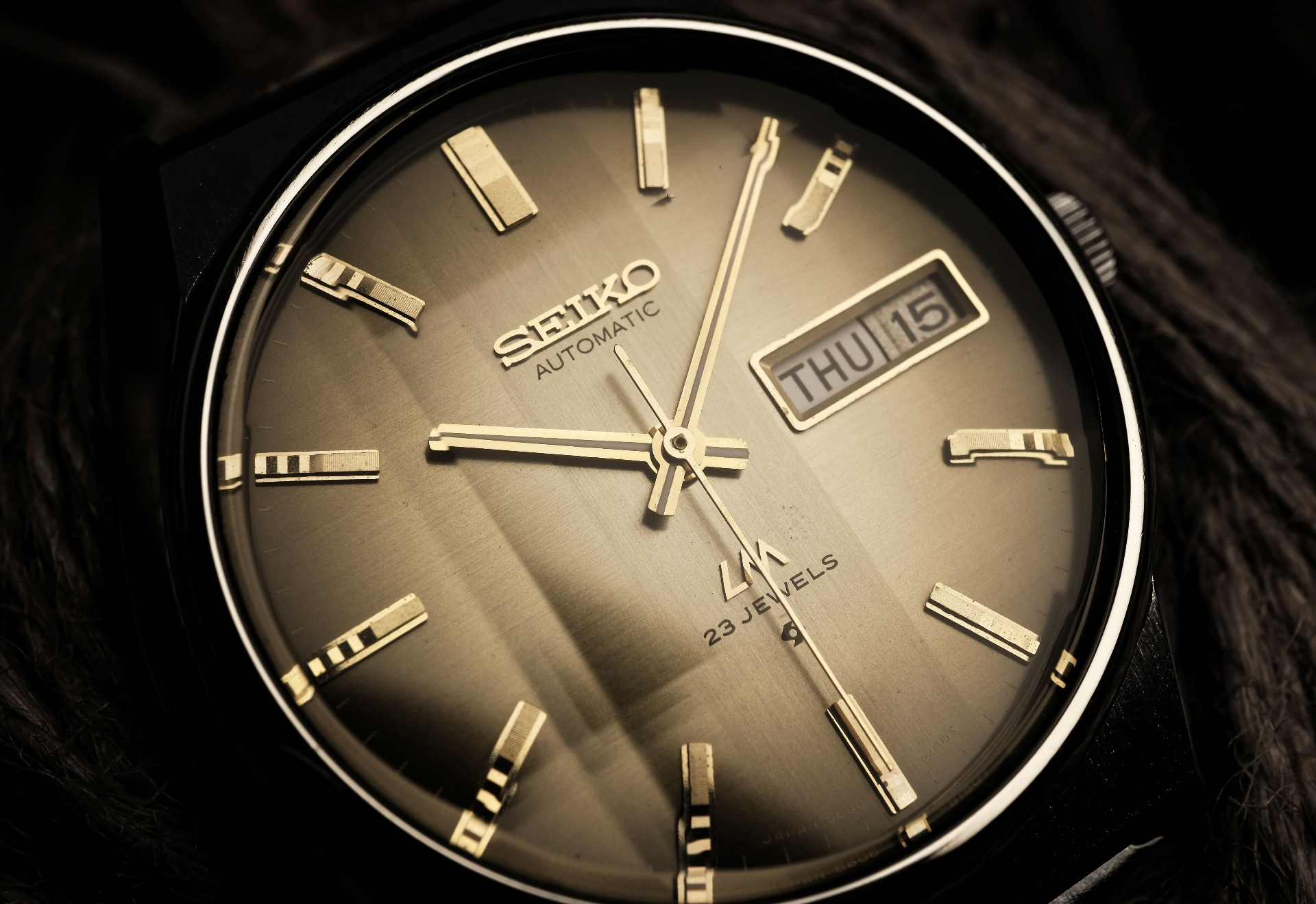
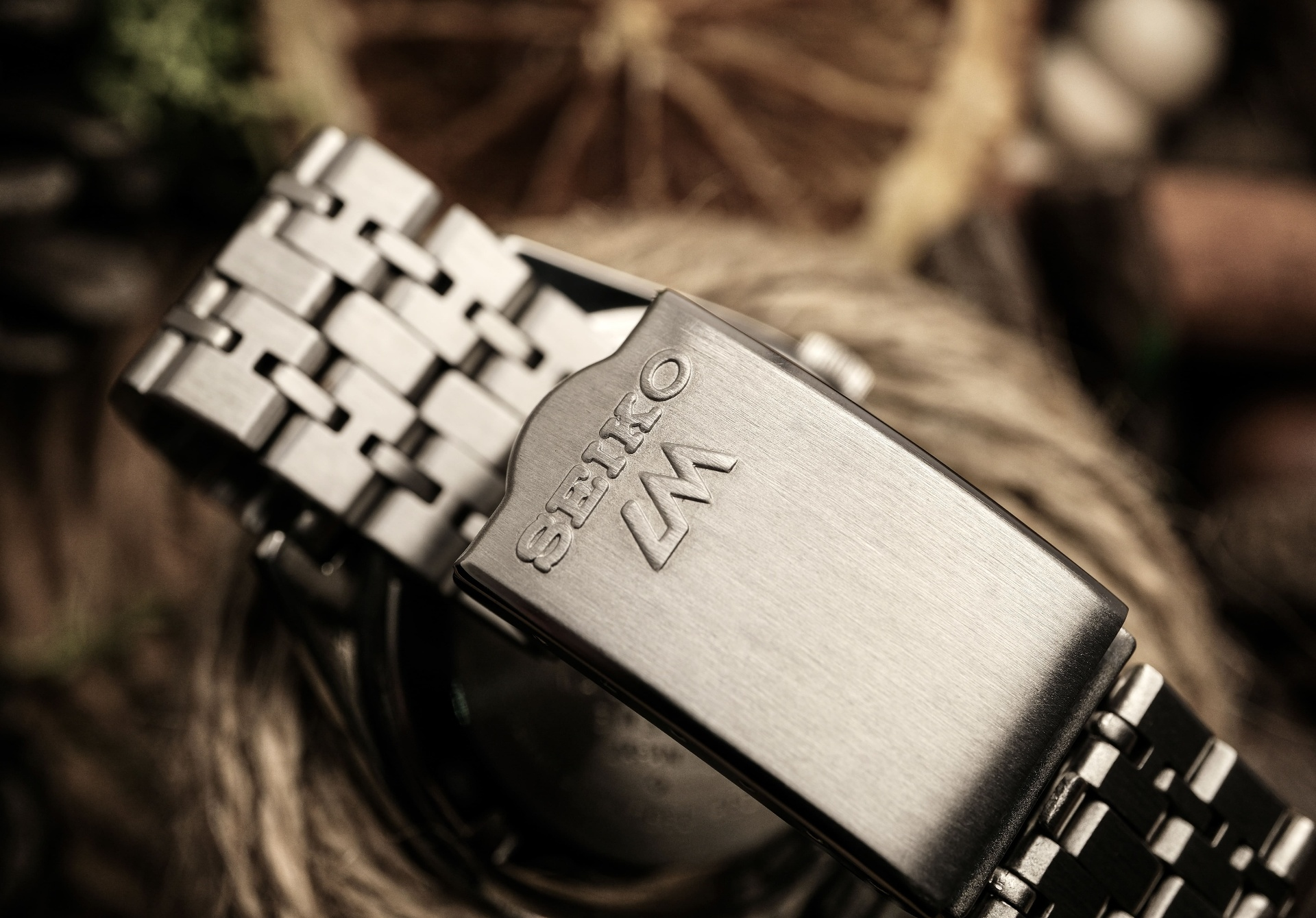
Lord Matic represented Seiko's premium automatic line during the late 1960s and 1970s, positioned between standard production models and the elite Grand Seiko tier. These watches combined refined movement finishing with distinctive case designs and, most notably, the gem-like facet-cut mineral glass crystals that give many Lord Matic models their extraordinary visual character.
The defining feature of these dress watches is the multi-faceted crystal. Unlike flat sapphire or domed acrylic, the facet-cut mineral glass refracts and plays with light in ways that resemble a cut gemstone. When paired with the era's colorful sunburst dials, blue, green, champagne, burgundy, the effect creates remarkable depth and visual interest that changes with every movement of the wrist.
These pieces appear regularly in our auctions and represent a growing area of collector interest. The combination of quality automatic movements, refined finishing, and that distinctive faceted crystal creates watches with genuine presence on the wrist. Case sizes typically range from 36 to 37mm, proportions that suit contemporary tastes while maintaining period-correct elegance. For collectors seeking accessible entry to Seiko's dress watch heritage with a distinctive visual signature, the Lord Matic with facet-cut glass offers exceptional opportunity.
Seiko Calibers: From 7S26 to Hi-Beat
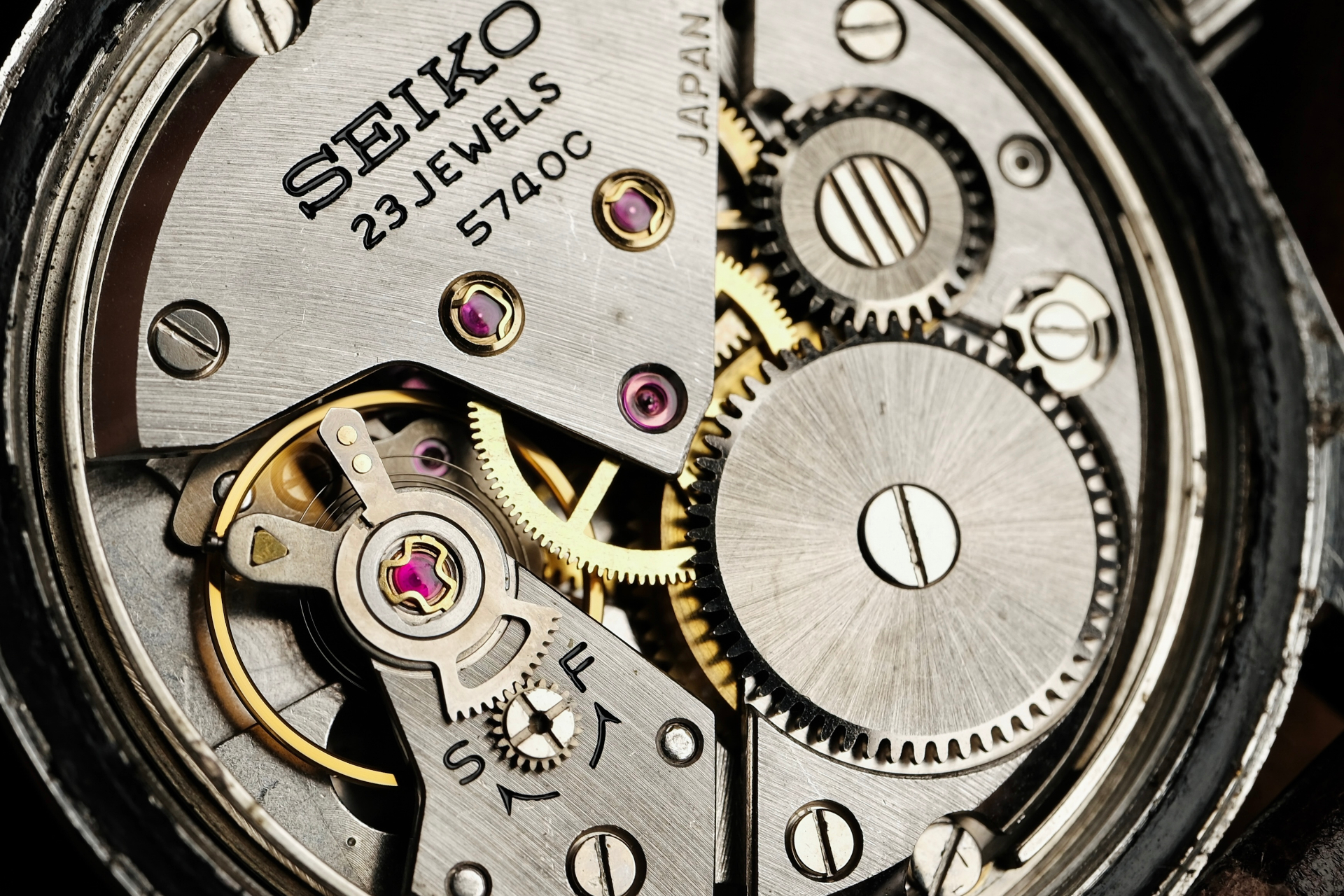
Seiko's caliber numbering system encodes information about movement type and complications. The first two digits typically identify the caliber family, while subsequent digits indicate specific features. Learning this system helps collectors quickly understand what powers a particular watch.
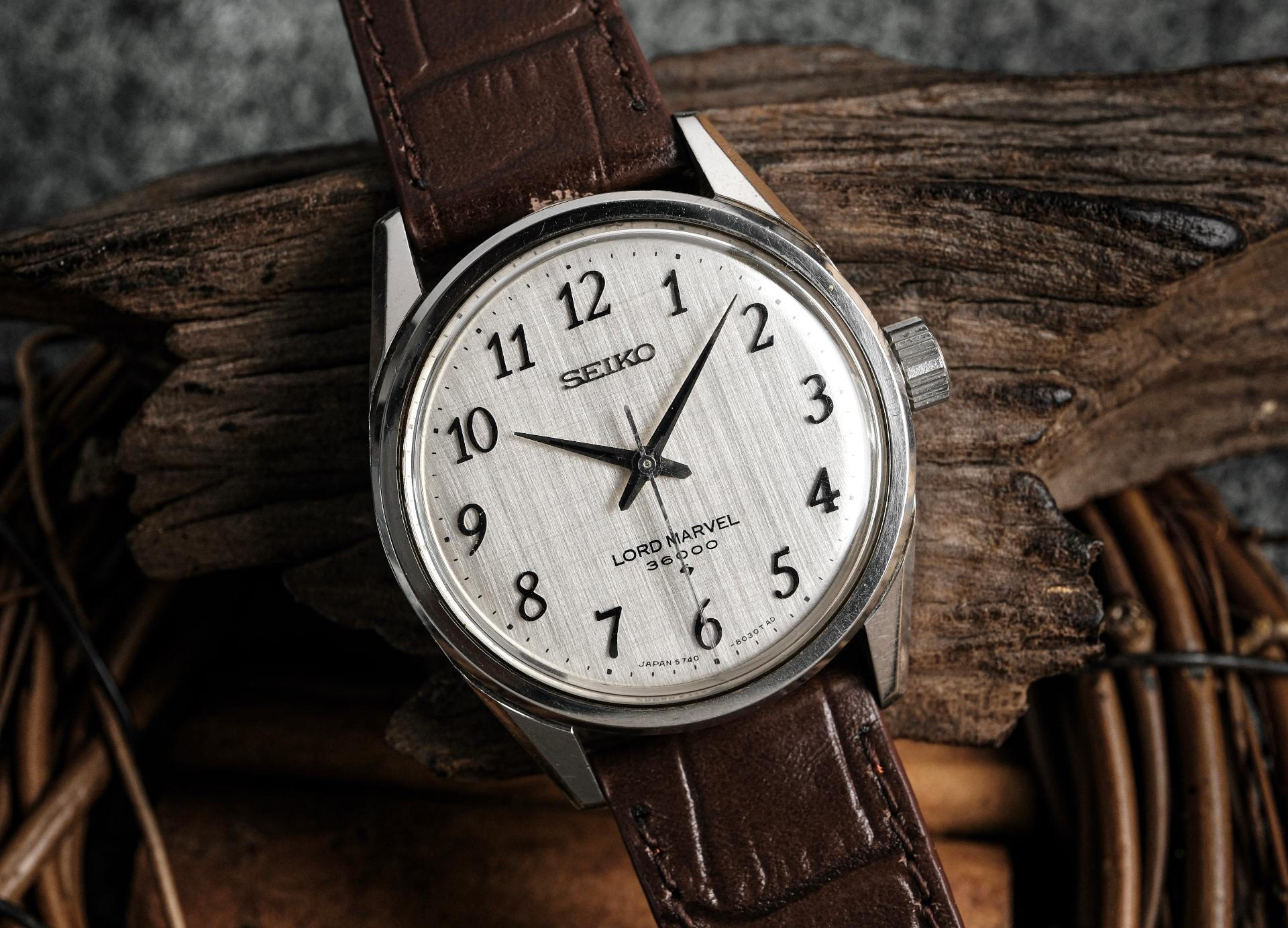
The Hi-Beat calibers, running at 36,000 vibrations per hour (10 beats per second), represent Seiko's pursuit of ultimate accuracy. The 6145 and 6146 powered exceptional Grand Seiko references. The 6159 brought hi-beat technology to professional dive watches. These movements require more frequent service but offer exceptional timing precision.
More common calibers like the 6309 (automatic diver movement) and 7548 (quartz diver) offer robust reliability for daily wear. The 7S26 and 4R36 calibers in later models demonstrate Seiko's continued commitment to accessible mechanical watchmaking. Understanding caliber strengths helps match pieces to intended use.
Dial Codes and Reference Numbers
Seiko reference numbers follow a logical structure that, once understood, reveals significant information. The format typically follows caliber-case reference, with dial codes indicating variations. A reference like 6139-6002 identifies a 6139 caliber in case design 6002.
Dial codes appear on the dial's lower half, often near the 6 o'clock position. These codes indicate dial color, market destination, and sometimes production date. Experienced collectors use dial codes to identify rare variants or export models that may be less common in certain markets.
Case backs provide additional dating information. Serial numbers typically begin with a digit indicating production decade, followed by a character for the month. This system, while requiring some research to decode, enables fairly precise dating of vintage Seiko watches.
The Value Proposition: Why Seiko Represents Opportunity
Vintage Seiko offers collectors exceptional mechanical watchmaking at accessible prices. A 6139 chronograph with column wheel and vertical clutch costs a fraction of Swiss chronographs using similar technology. A Grand Seiko with hand-finishing rivaling Patek Philippe sells for a tenth of the price.
This value exists because Seiko production volumes created ample supply and because brand perception, rather than technical merit, drives much of the luxury watch market. For collectors who evaluate on mechanical excellence and design quality rather than prestige, Seiko represents remarkable opportunity.
At auction, Seiko pieces regularly appear across all categories. Divers, chronographs, dress watches, and sport models provide diverse collecting options. The key is understanding which references represent exceptional quality and which features indicate superior examples within each category.