Vintage Seiko Seikomatic-R - What to Buy and What to Avoid
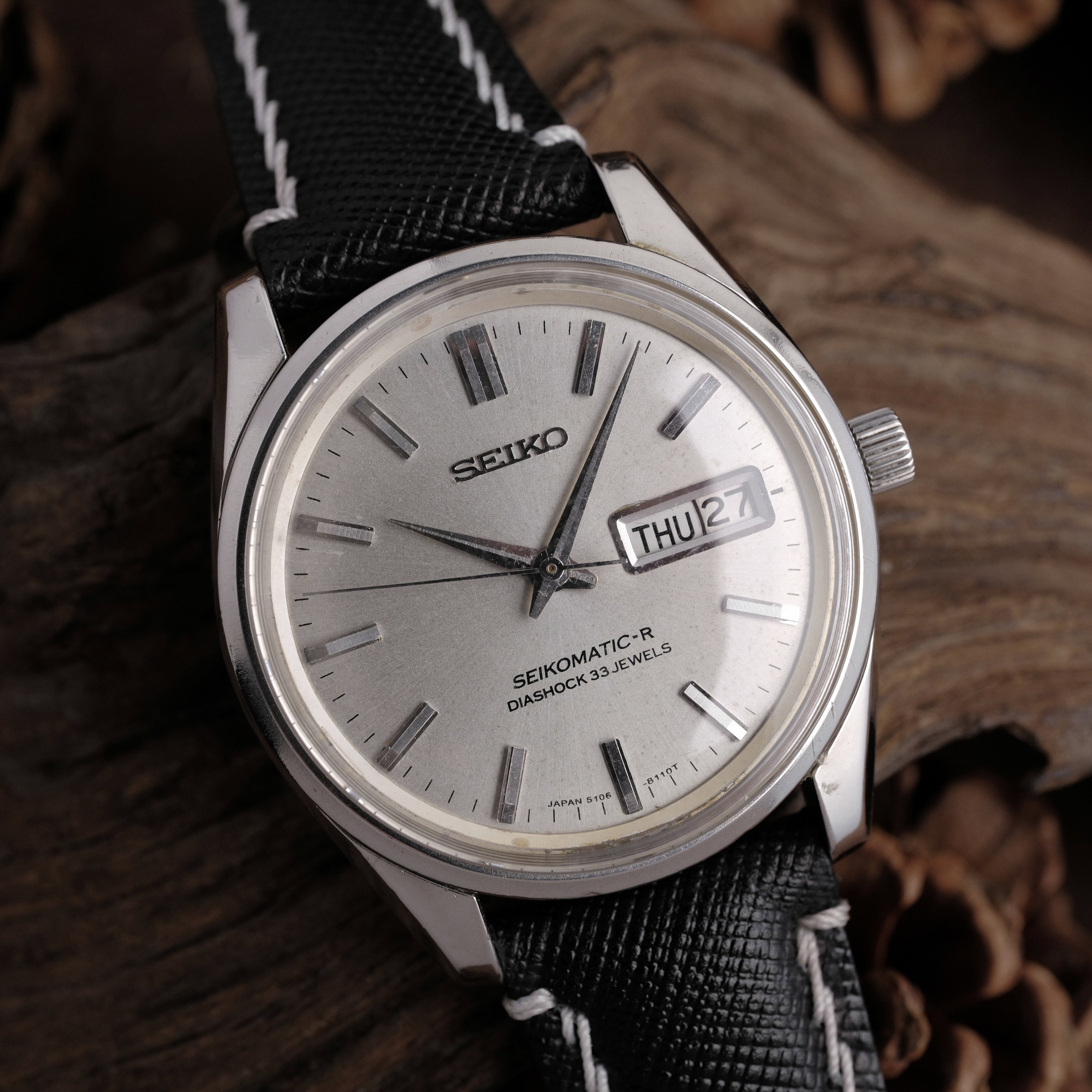
A vintage Seiko Seikomatic-R is best bought for its dial, correct caliber pairing and crisp steel case, with 36-38 mm examples offering easy modern wear.
We auction more than 100 vintage watches a week.
Get first access: new Seiko watch drops and alerts before auctions end.
Browse 32 live Seiko auctionsThe Seikomatic-R makes most sense as a mid-1960s premium automatic with restrained dress styling and enough case presence for regular wear. The examples we have handled run from 36 mm to 38 mm in stainless steel, with silver sunburst dials, applied faceted indices and either date or day-date displays.
The version to want is not decided by jewel count alone. A clean original dial, the correct movement for the reference and a case retaining its geometry matter more than choosing between 27, 30 or 33 jewels. Among used Seiko Seikomatic-R watches, visible dial spotting and rounded lugs create a wider quality gap than one millimetre of case diameter.
Known production-year range
1965-1976
Handled case sizes
36 mm, 37 mm and 38 mm, excluding the crown
Case material
Stainless steel
Known automatic calibers
5106A, 8305B, 8306A and 8346A
| Known jewel counts | 27, 30 and 33 jewels, depending on caliber |
| Dial configuration | Silver sunburst dial with applied faceted indices |
| Calendar formats | Date and day-date configurations |
| Reference examples | 8305-1010, 8306-8000, 8346-8030, 8346-9000 and 5106-8010 |
The model landscape
The Seikomatic-R name covers several materially different watches rather than one fixed specification. The 8346-8030 and 8346-9000 use the automatic 8346A with 27 jewels, while the 8305-1010 uses the 30-jewel 8305B. The 8306-8000 pairs with the 30-jewel 8306A, and the 5106-8010 uses the 33-jewel 5106A.
Calendar layout is the useful dividing line. The 8305-1010 has a framed date aperture, while the 8346 and 5106 examples carry day-date displays. Value sits first in an undisturbed sunburst dial, then in correct reference-to-caliber pairing and preserved case geometry. Between a spotted 33-jewel example and a clean 27-jewel watch with the right movement, take the cleaner dial.
On the wrist
Handled steel examples measure 36 mm, 37 mm and 38 mm without the crown. The 36 mm 5106-8010 and 8306-8000 wear as compact dress watches, while the 38 mm 8305-1010 has more dial presence and asks less adjustment from someone used to larger modern cases.
Silver sunburst finishing and faceted applied indices keep the display legible without turning the watch into a sports model. The day-date versions put more information on the dial, while the date-only 8305-1010 remains visually quieter. For a used Seiko Seikomatic-R intended for frequent wear, case proportion and dial condition are more consequential than the highest jewel count.
What goes wrong
Dial damage costs the most. The 5106-8010 examples can show spotting concentrated on the right side, and no amount of case polishing compensates for it. A redial is more serious than an evenly aged original dial, while a genuine service dial is a separate category and should not be described as original to the watch.
Over-polishing softens the lugs and erases the case geometry; wear to a dolphin caseback can remove detail on references known with that motif. Replacement crowns are less damaging to value than a refinished dial, but they still change the profile. Calendar faults and poor automatic winding require mechanical attention, and without service documentation the service history remains unknown.
Buy the dial first, then confirm that the caliber belongs with the reference. The 8346A, 8305B, 8306A and 5106A are not interchangeable evidence of correctness merely because each is automatic. A watch assembled from parts that never shipped together is franken, and a movement transplanted from another case may be married even when every individual part is genuine.
Dating this watch
| Serial range / caliber | Year | Note |
|---|---|---|
| 5106 | 1968-1971 | caliber production window |
| 8306 | 1963-1968 | caliber production window |
Dating data comes from our decoder tables; treat years as approximate.
What to check before you buy
- Reference and movement pairing: The 8346-8030 and 8346-9000 pair with caliber 8346A, the 8305-1010 with 8305B, the 8306-8000 with 8306A and the 5106-8010 with 5106A.
- Dial finish and printing: Known examples use a silver sunburst surface with applied faceted indices. Flat repainting, disturbed printing or a surface inconsistent with that finish points toward a redial rather than honest ageing.
- Hands and calendar layout: The 8346-8030 is known with sharp dauphine hands and a day-date display, while the 8305-1010 has a framed date aperture. A mismatched layout needs explanation before the watch can be treated as coherent.
- Case and caseback: Judge the steel case by remaining lug definition rather than claims that it is unpolished. The 8306-8000 and 8346-9000 are known with dolphin casebacks, where lost motif detail can reveal wear or refinishing.
- Redial and franken tells: A correct Seiko-signed movement does not authenticate the whole watch. An incompatible reference, caliber or calendar combination can indicate a franken assembly, while a transplanted movement may make the watch married.
Recent Seiko results
32 Seiko watches auctioned
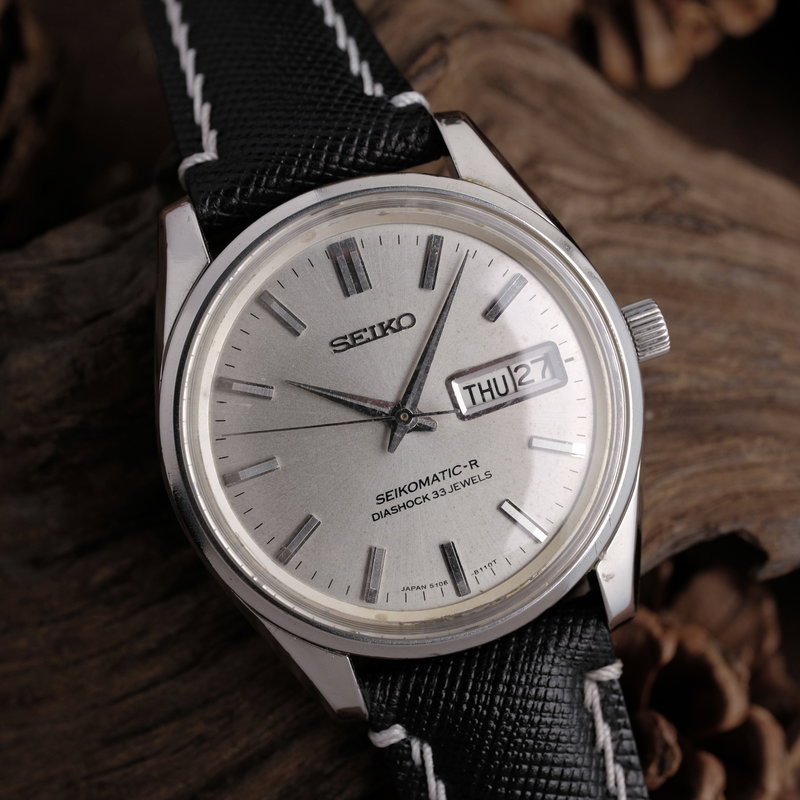
Seiko · Seikomatic-R · 5106-8010 · 1967
Seiko · Seikomatic-R · 8306-8000 · 1965
Seiko · Seikomatic-R · 8306-8000 · 1965
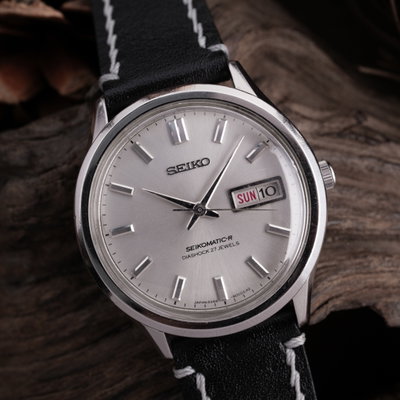
Seiko · Seikomatic-R · 8346-8030 · 1967
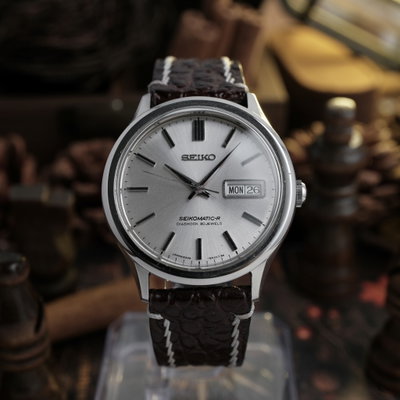
Seiko · Seikomatic-R · 8346-9000 · 1966
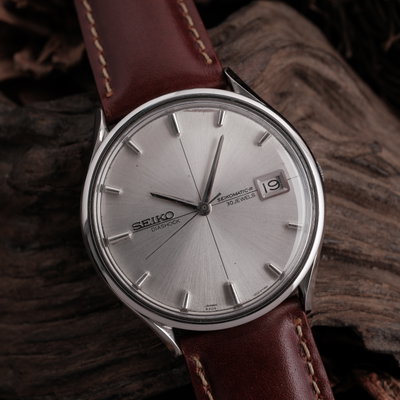
Seiko · Seikomatic-R · 8305-1010 · 1967
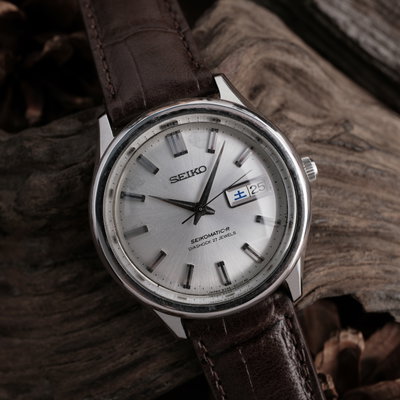
Seiko · Seikomatic-R · 8346-9010 · 1966
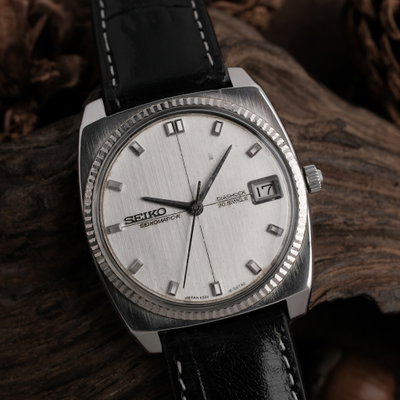
Seiko · Seikomatic-R · 8305-8051 · 1968
More Seiko references
Related pages
Frequently asked questions
Ready to hunt for your own?
More than 100 vintage watches go under the hammer every week.