Vintage Grand Seiko: Versions, Value and Buying Advice
Vintage Grand Seiko rewards a sharp case, an honest sunburst dial and a correctly matched caliber more than cosmetic brightness or heavy refinishing.
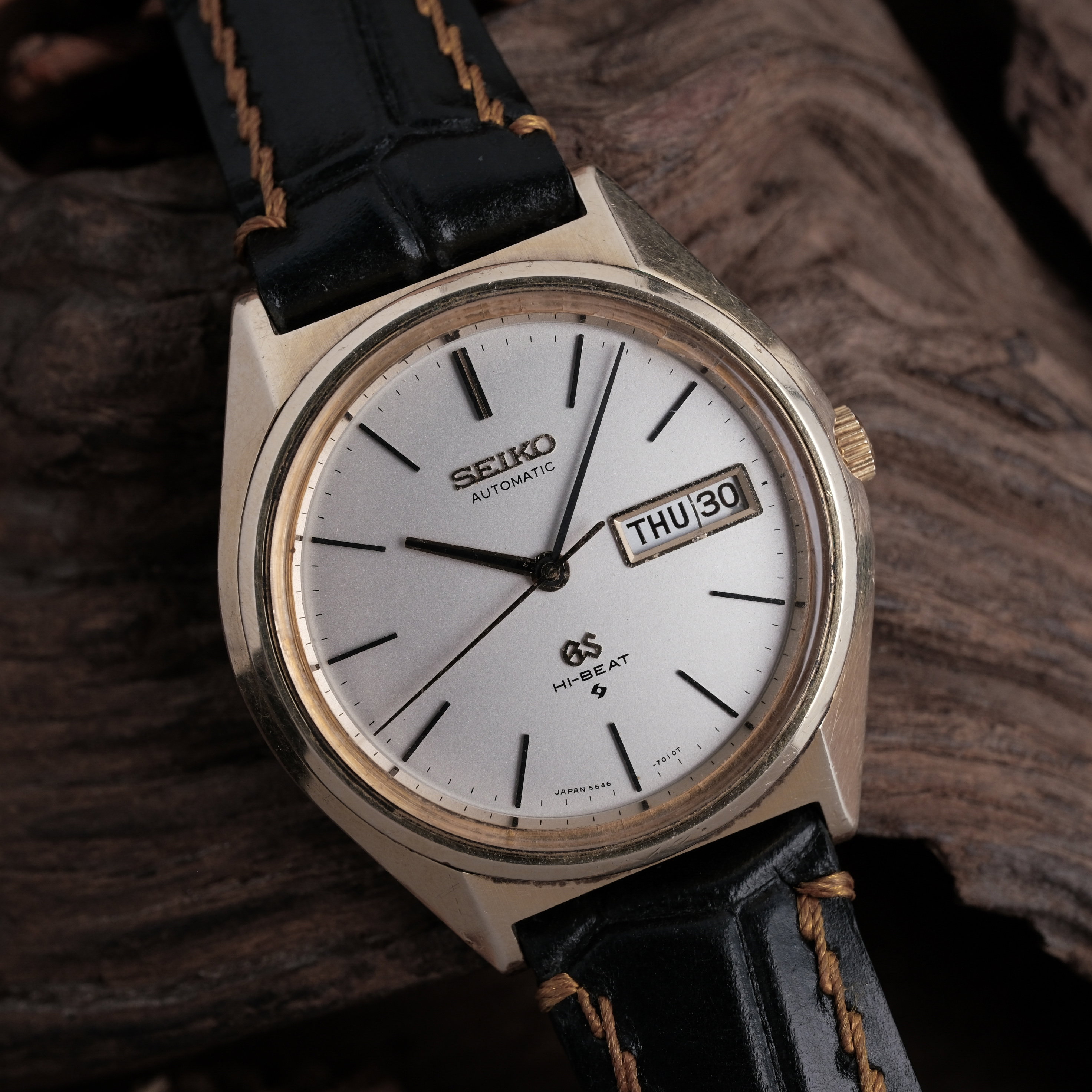
Grand Seiko paired precise mechanical movements with flat case planes, faceted markers and silver sunburst dials that change character with the light. The mechanical watches handled here run from 1965 onward, while the broader used Grand Seiko record continues through 1998.
The strongest buy is a steel example with a clean dial and sharp case geometry. Gold-capped watches add warmth, but wear-through cannot be reversed, while polishing permanently weakens the crisp planes that give these cases their identity.
Catalogue production span
1965-1998
Observed case sizes
36-37 mm excluding the crown
Observed case materials
Stainless steel and gold-capped stainless steel
6146-8000 movement
Automatic caliber 6146A
| 6146A specification | 25 jewels, 36,000 beats per hour |
| 175.0084 movement | Manual-wind caliber 5722B |
| 5722B specification | 35 jewels |
| Observed dial format | Silver sunburst with applied faceted indices |
The model landscape
The 6146-8000 is the clearest entry into automatic vintage Grand Seiko. Its caliber 6146A is an automatic, 25-jewel movement running at 36,000 beats per hour, and the 36-37 mm case has enough presence without losing the compact proportions of the period. Silver sunburst dials and applied faceted indices make case and dial condition unusually visible.
Manual-wind examples offer a different proposition. The 175.0084 uses caliber 5722B with 35 jewels in a 37 mm steel case, while the known range also includes the 4520-7010 and 4522-8000. Between comparable manual and automatic watches, take the sharper case and cleaner original dial rather than buying by winding system alone.
Where the value sits
The dial carries more value than any single replaceable component. A refinished dial costs more than ordinary case wear because its original surface and printing are gone, while light peripheral ageing or bounded micro-spotting can remain acceptable when disclosed clearly. A genuine service dial is different from a redial, though it still changes what collectors will pay.
Case geometry comes next. Crisp chamfers, defined flat planes and intact facets command a premium over rounded lugs, even when the polished watch looks brighter in photographs. On gold-capped cases, exposed base metal at lug edges is permanent. Caseback medallion wear also matters, but it is less damaging than a refinished dial or a case polished until its architecture has softened.
What goes wrong
Heavy dial spotting is the first fault to price in because it dominates the watch face and cannot be serviced away. Over-polishing rounds the lug facets, gold capping wears through at exposed edges, and caseback medallions lose relief through wear. Replacement crowns and crystals are consumables, so their presence does not prove wider alteration.
Movement and case must belong together, and the caliber must fit the reference and period. Mixed components can create a franken watch, while a movement transferred from another case makes the watch married. The service history is unknown unless invoices establish it, and without documentation it is safer to judge the movement by function and visible condition rather than claims of recent work.
Dating this watch
| Serial range / caliber | Year | Note |
|---|---|---|
| 4520 | 1968-1972 | caliber production window |
| 4522 | 1968-1972 | caliber production window |
| 6145 | 1967-1975 | caliber production window |
| 6146 | 1967-1975 | caliber production window |
Dating data comes from our decoder tables; treat years as approximate.
What to check before you buy
- Dial print and surface: The silver sunburst finish should remain coherent beneath the applied faceted indices. Uneven typography, lost sunburst texture or printing laid over visible damage points to a redial rather than honest ageing.
- Hands and dial furniture: Hands and applied indices should share a consistent finish and ageing pattern. Bright replacement hands against aged markers require explanation, while relume must be disclosed rather than described as patina.
- Case geometry: The case should retain distinct flat planes, crisp chamfers and defined lug facets. Rounded transitions, soft edges or uneven reflective surfaces show polishing that has removed metal and altered the original geometry.
- Caseback medallion: Assess the medallion for remaining relief and compare its wear with the rest of the case. Heavy wear can be honest, but a conspicuously sharp replacement caseback beside softened lugs needs closer scrutiny.
- Movement match and finishing: The caliber must correspond with the stated reference and production window, including caliber 6146A in a 6146-8000. Inspect for corrosion, damaged screw heads and mismatched components before accepting claims of service.
- Crown and assembled-watch tells: A replacement crown can be a normal service part, but it should not be used to support an all-original claim. Inconsistent case, dial and movement dating can indicate a franken watch, while a transferred movement makes it married.
Recent Seiko results
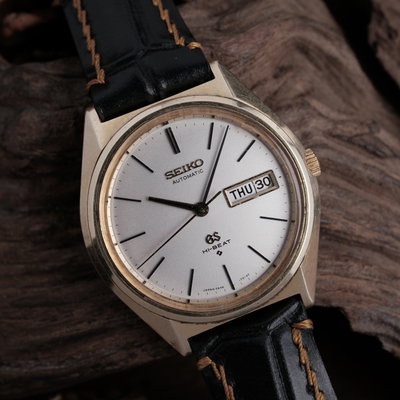
Seiko · Grand Seiko · 5646-7010 · 1971
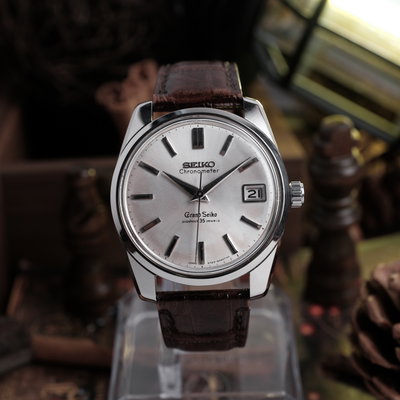
Seiko · Grand Seiko · 5722-9990 · 1965

Seiko · Grand Seiko · 5646-7010 · 1971
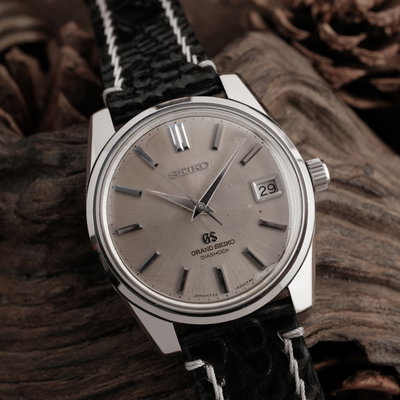
Seiko · Grand Seiko · 175.0084 · 1967
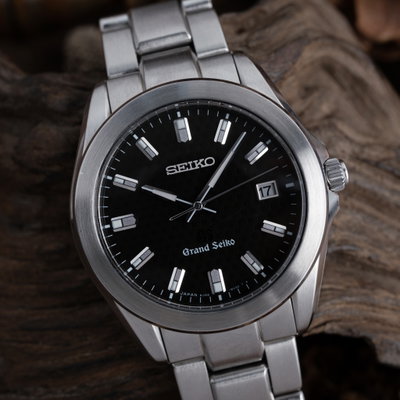
Seiko · Grand Seiko · 8J56-8020 · 1998
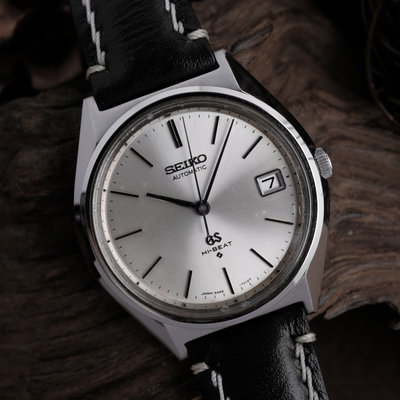
Seiko · Grand Seiko · 5645-7010 · 1971
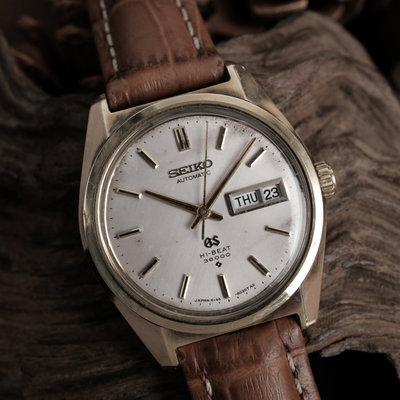
Seiko · Grand Seiko · 6146-8000 · 1969
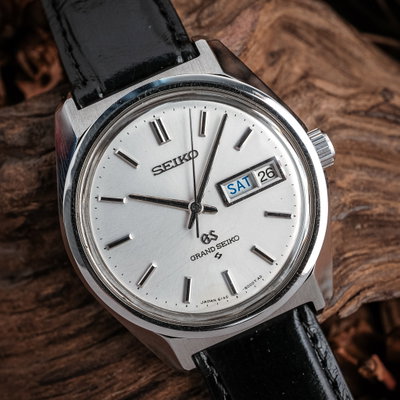
Seiko · Grand Seiko · 6146-8000 · 1968
More Seiko references
Related pages
Frequently asked questions
Ready to hunt for your own?
More than 100 vintage watches go under the hammer every week.