Rado Golden Horse 11675/1: What to Know Before Buying
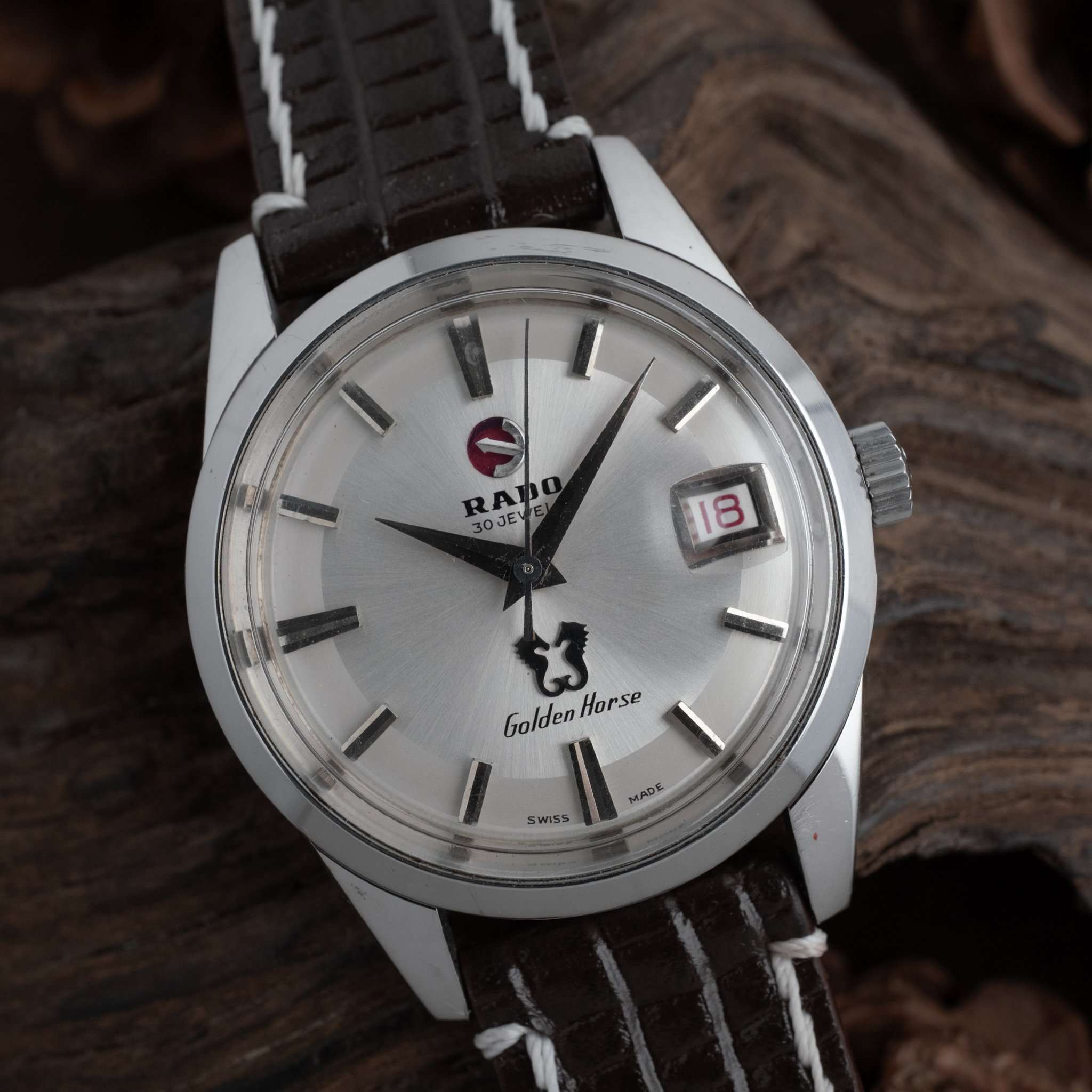
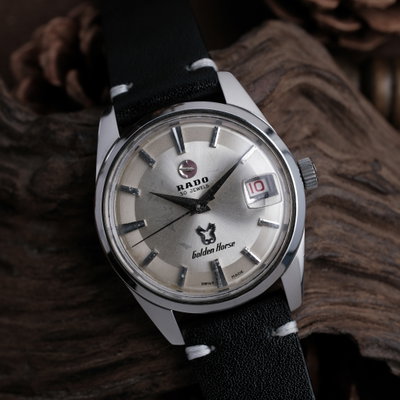
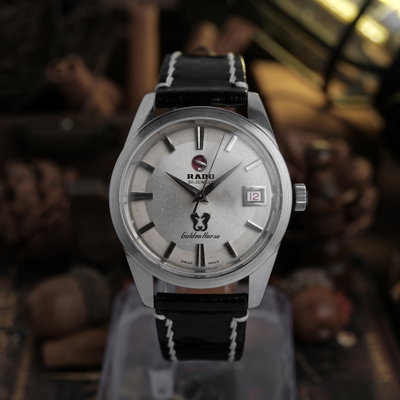
The Rado Golden Horse 11675/1 to buy has a clean silver dial, a defined steel case and an intact seahorse caseback medallion.
We auction more than 100 vintage watches a week.
Get first access: new Rado 11675/1 drops and alerts before auctions end.
Browse 8 live Rado auctionsThe Golden Horse 11675/1 is a 1960s automatic Rado built as a compact steel watch with the visual detail of a dress model. Its silver dial, red date and decorated caseback make the identity clear without turning the watch into a fragile special-occasion piece.
The strongest vintage Rado Golden Horse 11675/1 is not necessarily the brightest one. A clean original dial, defined case geometry and intact seahorse medallion matter more than polished steel or a recent service claim without supporting paperwork. Among the examples we have handled, dial condition creates the clearest separation.
Brand
Rado
Model
Golden Horse
Reference
11675/1
Production period
1960s
| Case material | Stainless steel |
| Case size | 34-35 mm excluding the crown |
| Movement | Automatic; some handled examples are 30 jewel |
| Dial finishes | Silver sunburst or vertically brushed silver |
| Date display | Red numerals |
| Caseback | Textured seahorse medallion |
The model landscape
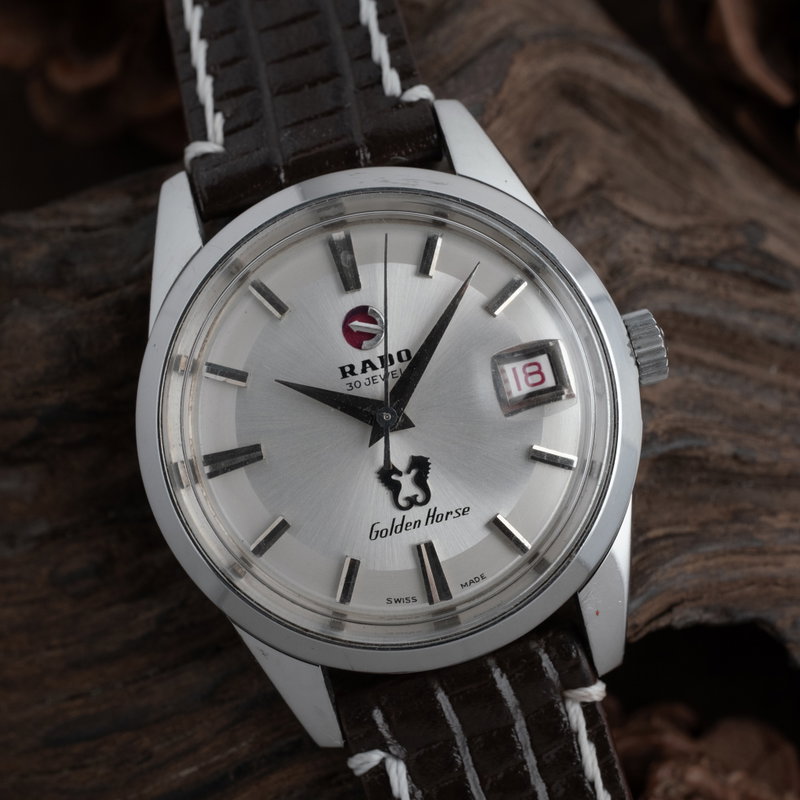
Reference 11675/1 occurs with silver sunburst and vertically brushed dials, both set with applied faceted indices. Some examples carry a rotating anchor at 12, while others place an applied seahorse emblem on the dial. Red date numerals supply the only strong colour accent.
The sunburst version is the safer choice when its lacquer remains clean, because the changing light gives the compact dial more depth. A vertically brushed dial is equally legitimate, but it should be bought for its condition rather than treated as an upgrade. A refinished dial costs more in lost value than light oxidation on the hands.
Case measurements among handled examples run from 34 to 35 mm excluding the crown. That variation matters less than case definition and the condition of the medallion. Between a soft 35 mm case and a sharper 34 mm example with the better dial, take the 34 mm watch.
On the wrist
At 34 to 35 mm excluding the crown, the 11675/1 wears as a compact mid-century watch rather than a reduced modern sports model. Applied faceted indices and dauphine-style hands keep the silver dial legible, while the red date breaks up an otherwise monochrome arrangement.
The steel case makes the Golden Horse easier to use regularly than a plated dress watch, and the silver dial works with either formal or casual clothing. The decorated caseback remains hidden during wear, so the dial and case proportions carry the watch in daily use. This reference suits a collector comfortable with period-correct dimensions, not someone seeking modern wrist coverage.
What goes wrong
Dial damage is the first financial problem. Silver sunburst examples can develop spotting, surface marks and lacquer crazing, while dauphine hands may show oxidation. Even ageing can remain acceptable, but a redial removes the surface that carries most of the reference's value.
Over-polishing is the next permanent fault: it softens the lugs and reduces the definition of the compact steel case. The textured seahorse medallion can also lose relief through wear or refinishing. A replacement crown may be period-correct without being original, and the service history is unknown unless an invoice establishes it.
Movement condition cannot be settled from dial photographs. Some handled examples use a 30-jewel automatic movement, but the available evidence does not identify a caliber, so no caliber claim belongs on this reference page. Buy the cleanest coherent watch rather than a franken assembled around one attractive component.
What to check before you buy
- Dial configuration: Known 11675/1 dials are silver sunburst or vertically brushed, with applied faceted indices and a red date. A refinished surface can imitate the layout, so crispness alone does not establish originality.
- Dial emblems: Handled examples include a rotating anchor at 12 and applied seahorse dial emblems. The emblem style must agree with the surrounding dial finish rather than looking newly fitted to an aged surface.
- Caseback medallion: The steel caseback carries a textured seahorse medallion. Weak relief can result from wear or refinishing, while a sharp medallion beside a heavily softened case deserves scrutiny for a replacement caseback.
- Case geometry: The stainless steel case measures 34 to 35 mm excluding the crown across handled examples. Soft or mushy lugs indicate polishing, which permanently changes the case even when the surface remains bright.
- Movement claims: Some examples use a 30-jewel automatic movement, but the available evidence does not establish a caliber. Any stronger caliber claim goes beyond what this reference alone can confirm.
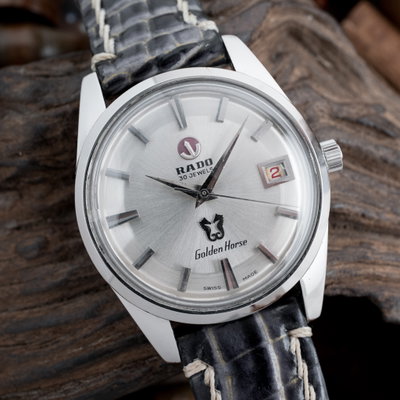
Other 11675/1 examples we auctioned
12 Rado 11675/1 auctioned
More Rado references
Related pages
Frequently asked questions
Ready to hunt for your own?
More than 100 vintage watches go under the hammer every week.