Rado: The Material Innovator
Rado occupies a unique position in watch history as the brand that consistently pushed material boundaries. While competitors focused on movement refinement or design evolution, Rado pioneered the use of hard metals, ceramics, and sapphire crystal in ways that transformed industry expectations.
For collectors, vintage Rado offers distinctive pieces that stand apart from conventional Swiss watches. The brand's commitment to unconventional materials created designs that remain fresh decades later, while accessible pricing makes building a meaningful collection achievable.
The 1962 DiaStar Revolution
The 1962 DiaStar revolutionized watchmaking by combining a tungsten carbide case, sapphire crystal, and scratch-resistant design into what Rado called 'the world's first scratchproof watch.' This claim, while marketing-driven, contained substantial truth. The DiaStar's materials resisted everyday wear far better than conventional steel cases and mineral crystals.
The original DiaStar design featured an oval case with integrated bracelet, creating a seamless visual flow from case to wrist. The distinctive look influenced countless subsequent designs, establishing an aesthetic vocabulary that Rado would develop for decades.
Vintage DiaStar models from the 1960s and 1970s showcase the evolution of this design philosophy. Early examples with manual-wind movements offer elegant simplicity. Later automatic versions added convenience. The consistent design language across decades makes DiaStar an excellent focus for thematic collecting.
Captain Cook Heritage and Revival
The Captain Cook, introduced in 1962, represented Rado's entry into the sports watch category. Unlike the urban sophistication of the DiaStar, the Captain Cook offered robust construction, water resistance, and bold design suited to active lifestyles.
Vintage Captain Cook references featured rotating bezels, prominent crowns, and dial designs emphasizing legibility. The nautical naming reflected the era's fascination with exploration and adventure. These pieces stand apart from Rado's typical avant-garde aesthetic, appealing to collectors who appreciate traditional sports watch design.
Modern Rado has revived the Captain Cook name, creating renewed interest in vintage examples. Original 1960s references offer authentic heritage at prices that reflect their relative scarcity compared to more common vintage sports watches.
The Golden Horse and Starliner Era
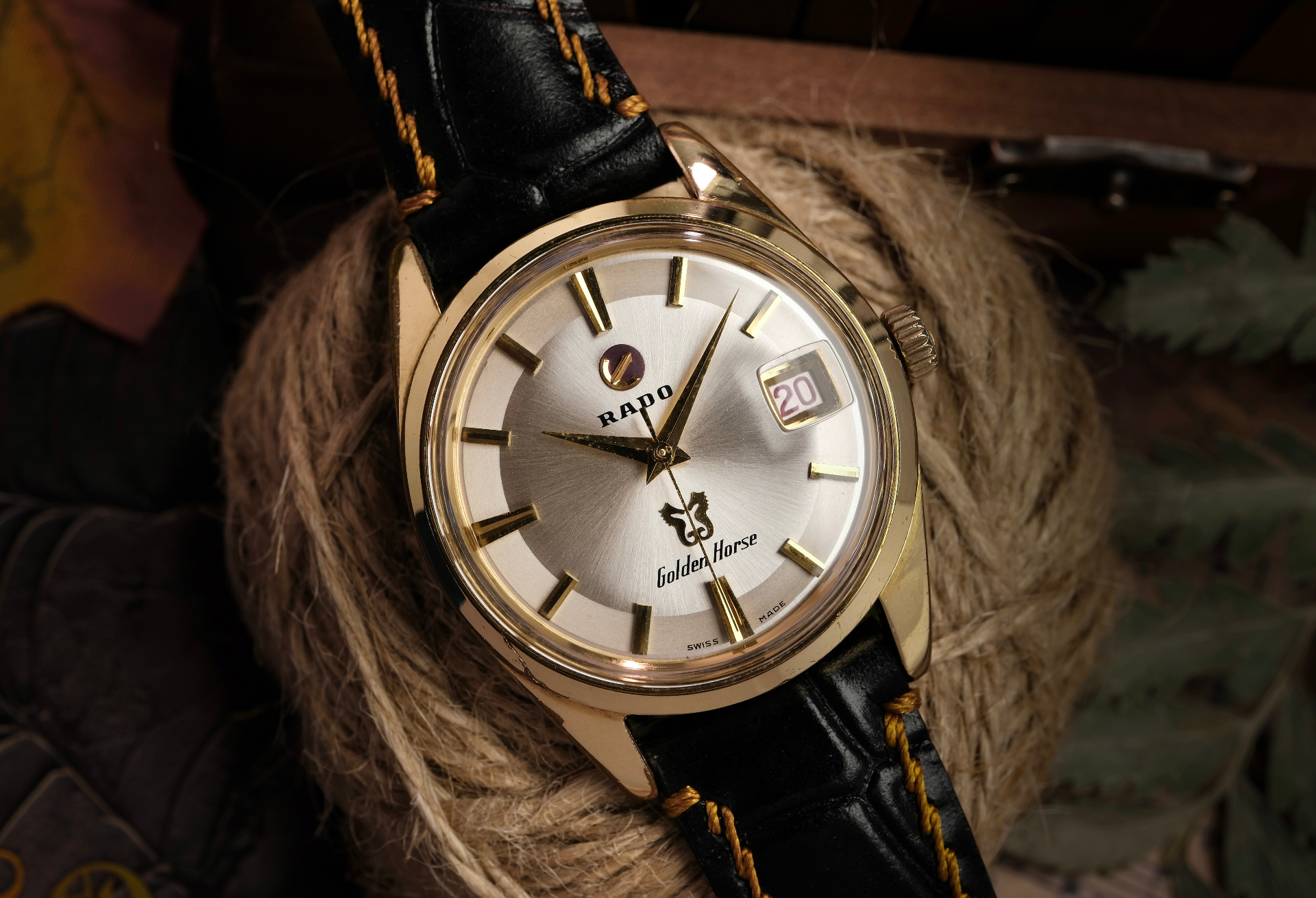
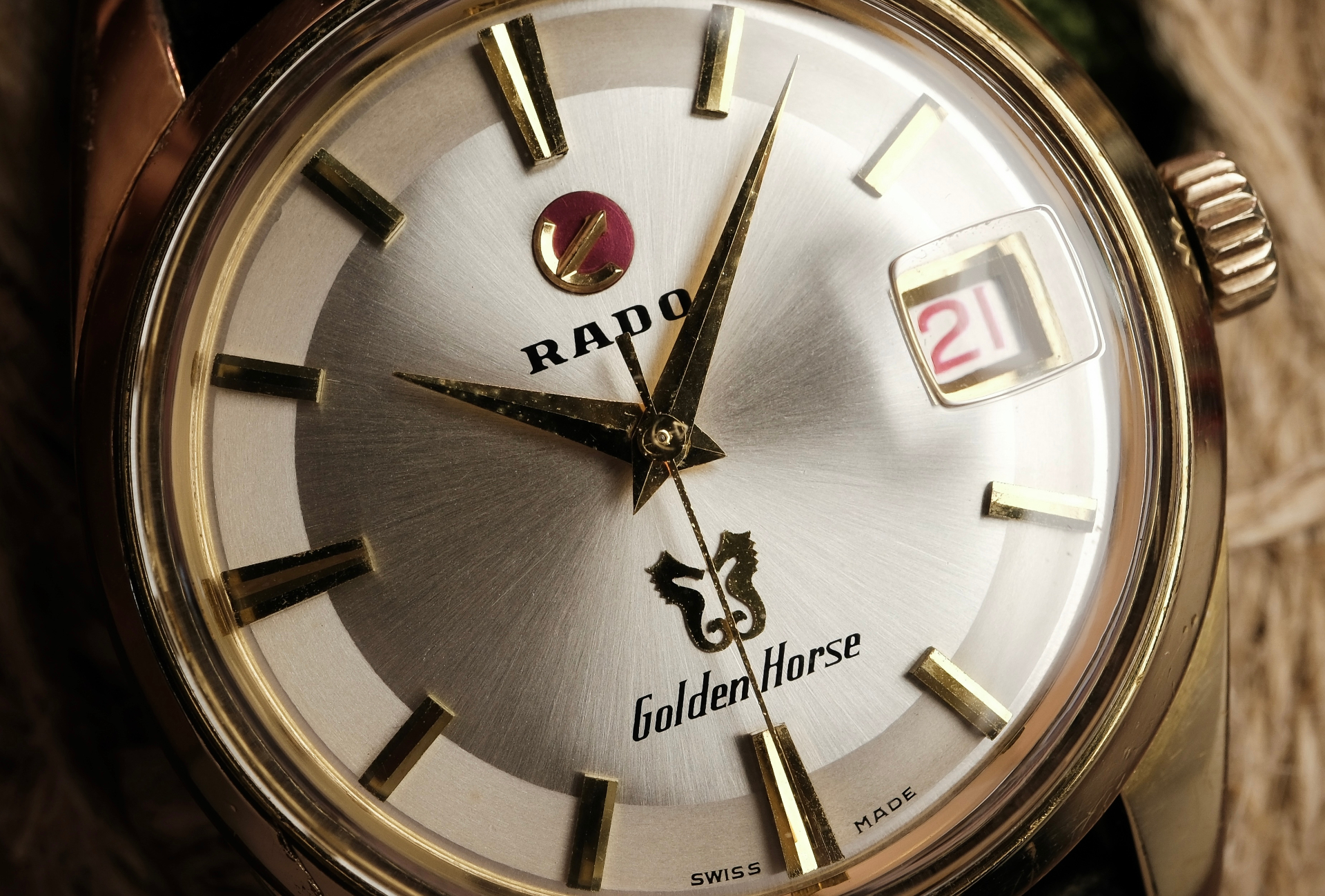
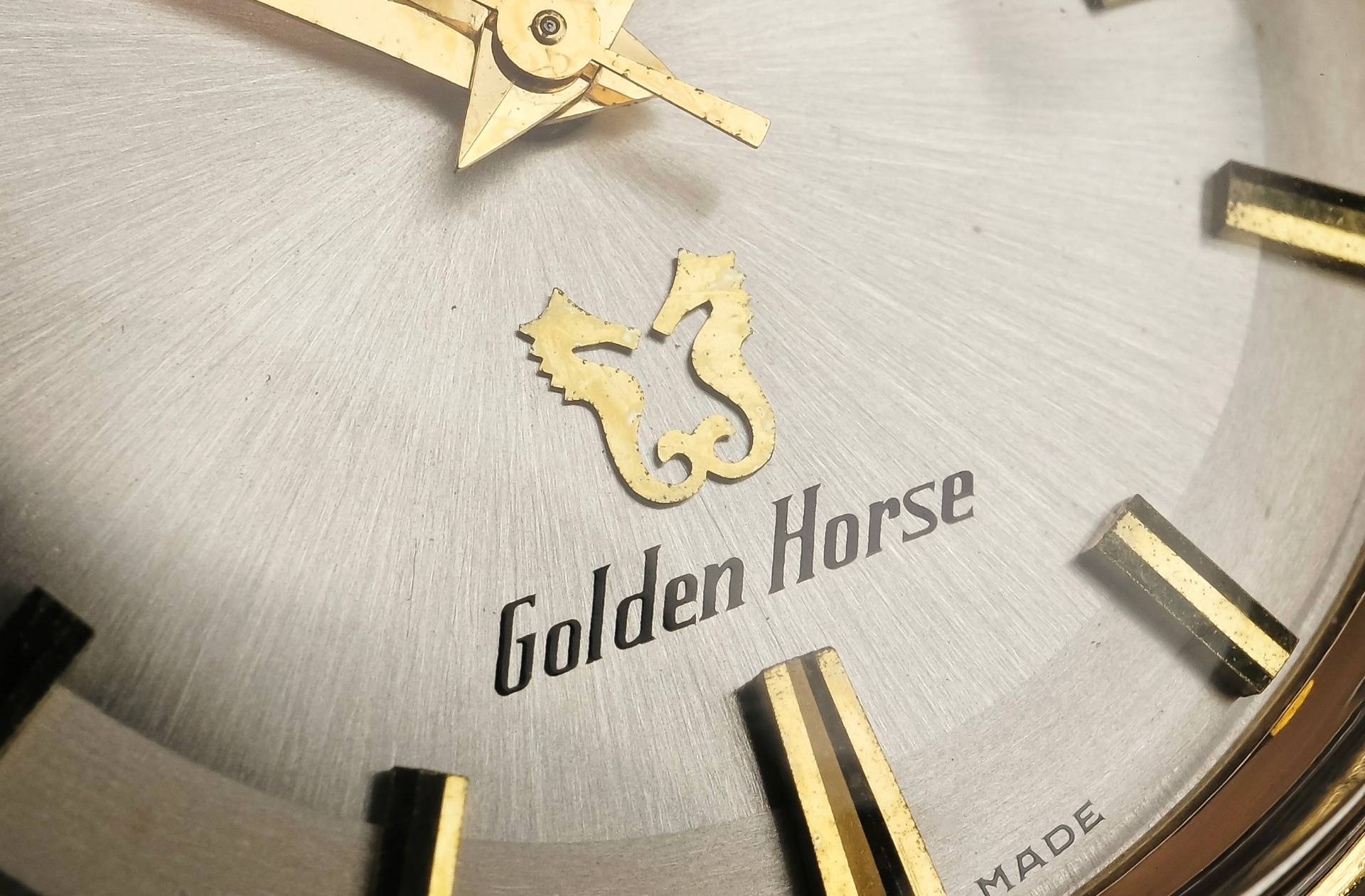
The Golden Horse line showcased Rado's ability to produce elegant dress watches alongside its material-focused models. These pieces featured quality Swiss movements, refined dial designs, and case proportions appropriate for formal occasions.
The Starliner represented another approach, combining contemporary styling with reliable timekeeping. Both lines demonstrate that Rado's innovation extended beyond materials to encompass varied design philosophies serving different customer needs.
Collectors interested in dress watches find value in these lines. While less distinctive than DiaStar models, Golden Horse and Starliner pieces offer quality Swiss craftsmanship at accessible prices, providing diversity within a Rado-focused collection.
Understanding Rado's Design Language
Rado developed a distinctive visual vocabulary across its collections. The integrated bracelet, where metal flows seamlessly from case to clasp, appears throughout the catalog. Unusual case shapes, from ovals to tonneau forms to angular geometries, distinguish Rado from more conservative competitors.
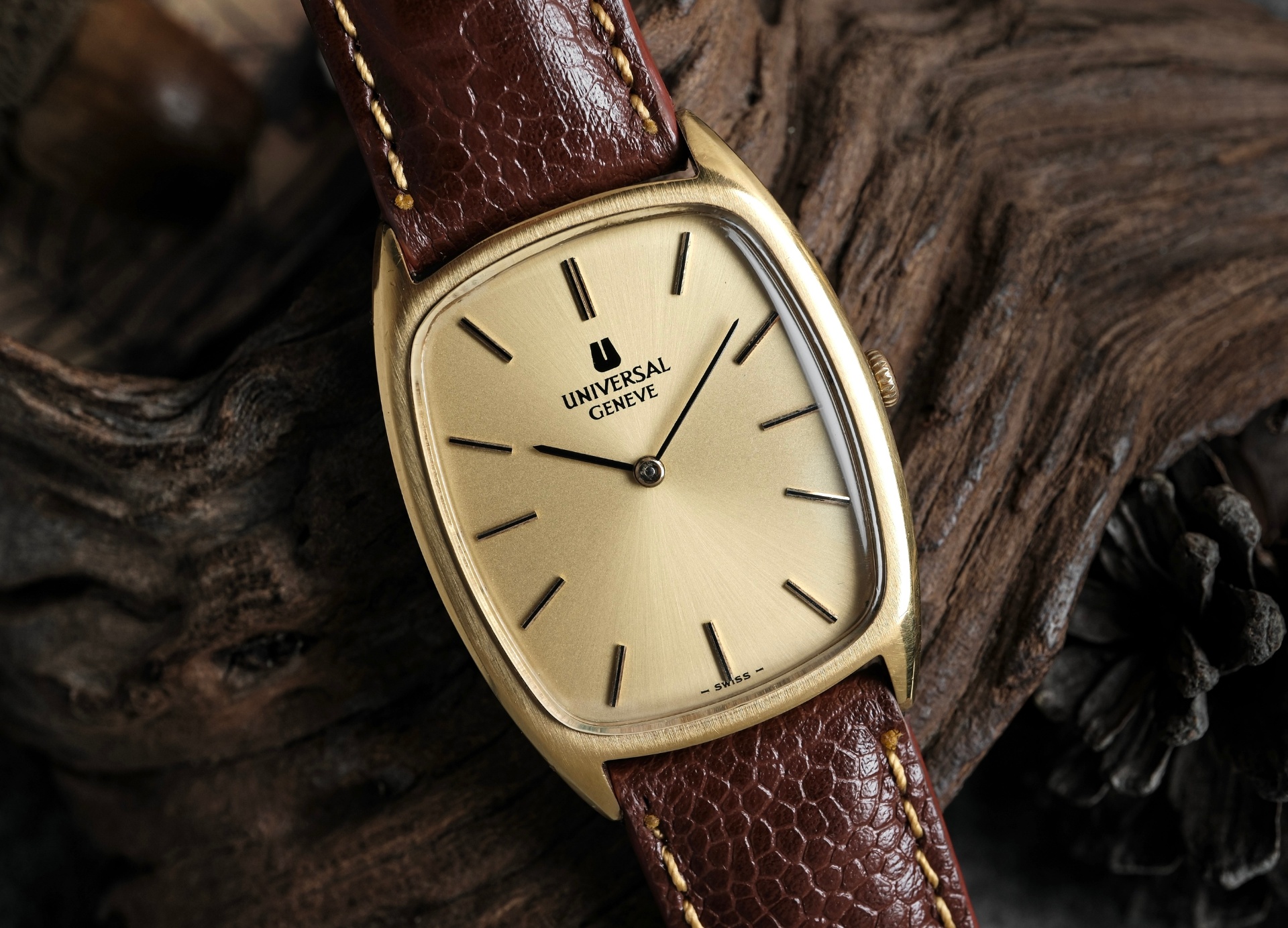
Color played an important role in Rado design. The brand embraced bold dial colors, metallic finishes, and contrasting elements that created visual interest. Gold plating, applied liberally in the 1970s, gave many models a distinctive warmth that ages gracefully when cared for properly.
Understanding these design elements helps collectors evaluate pieces effectively. A well-preserved example showing Rado's characteristic design confidence offers lasting satisfaction, while worn examples may lose the visual impact that makes these watches distinctive.
Hard Metal and Ceramos Technology
Rado's material innovation continued beyond the original DiaStar. Hard metal technology, using tungsten carbide and titanium carbide compounds, created cases of exceptional durability. These materials could be polished to high sheen while resisting scratches that would mar conventional steel.
Ceramos, introduced later, combined ceramic with metal alloys to achieve properties neither material offered alone. While more common in modern Rado production, understanding this technology helps collectors appreciate the material philosophy that defined the brand.
When evaluating vintage Rado pieces, material condition matters significantly. The brand's promise of scratch resistance means well-preserved examples should show minimal wear. Pieces with significant scratching may indicate aftermarket components or exceptionally hard use.
Dating Vintage Rado Pieces
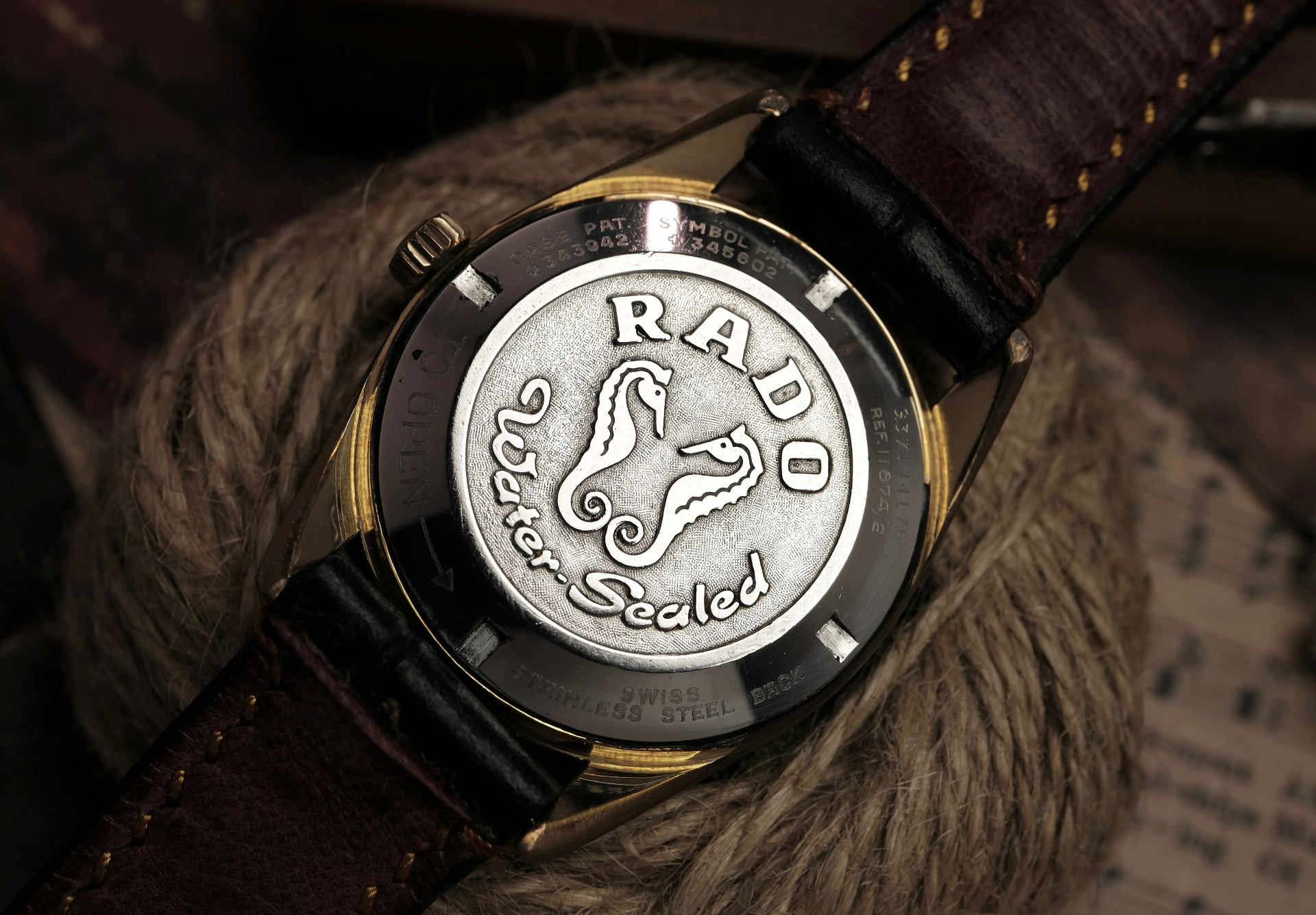
Rado used various reference systems throughout its history, making precise dating sometimes challenging. Case back markings, dial signatures, and movement calibers all provide clues. Serial numbers can indicate production periods when cross-referenced with known records.
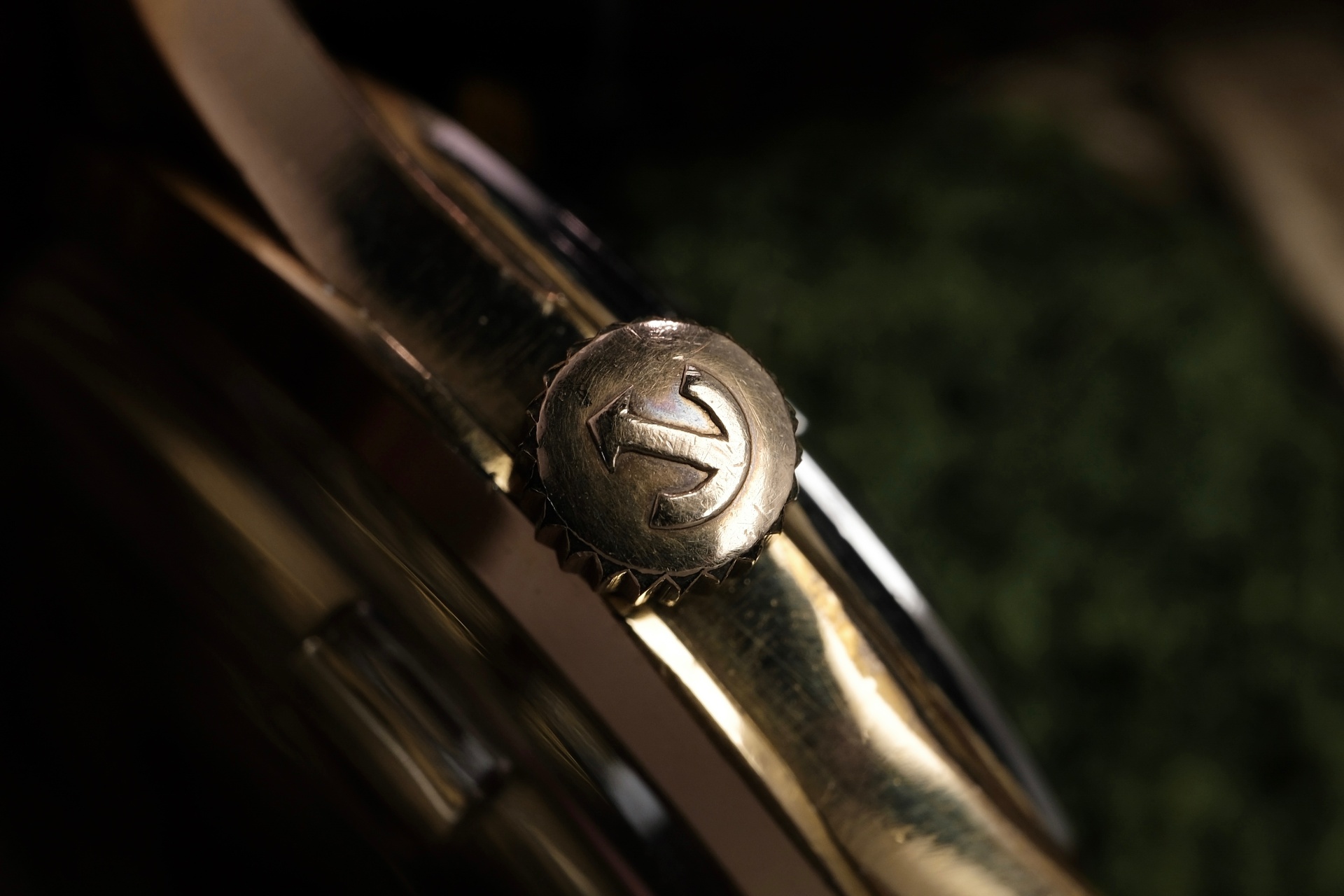
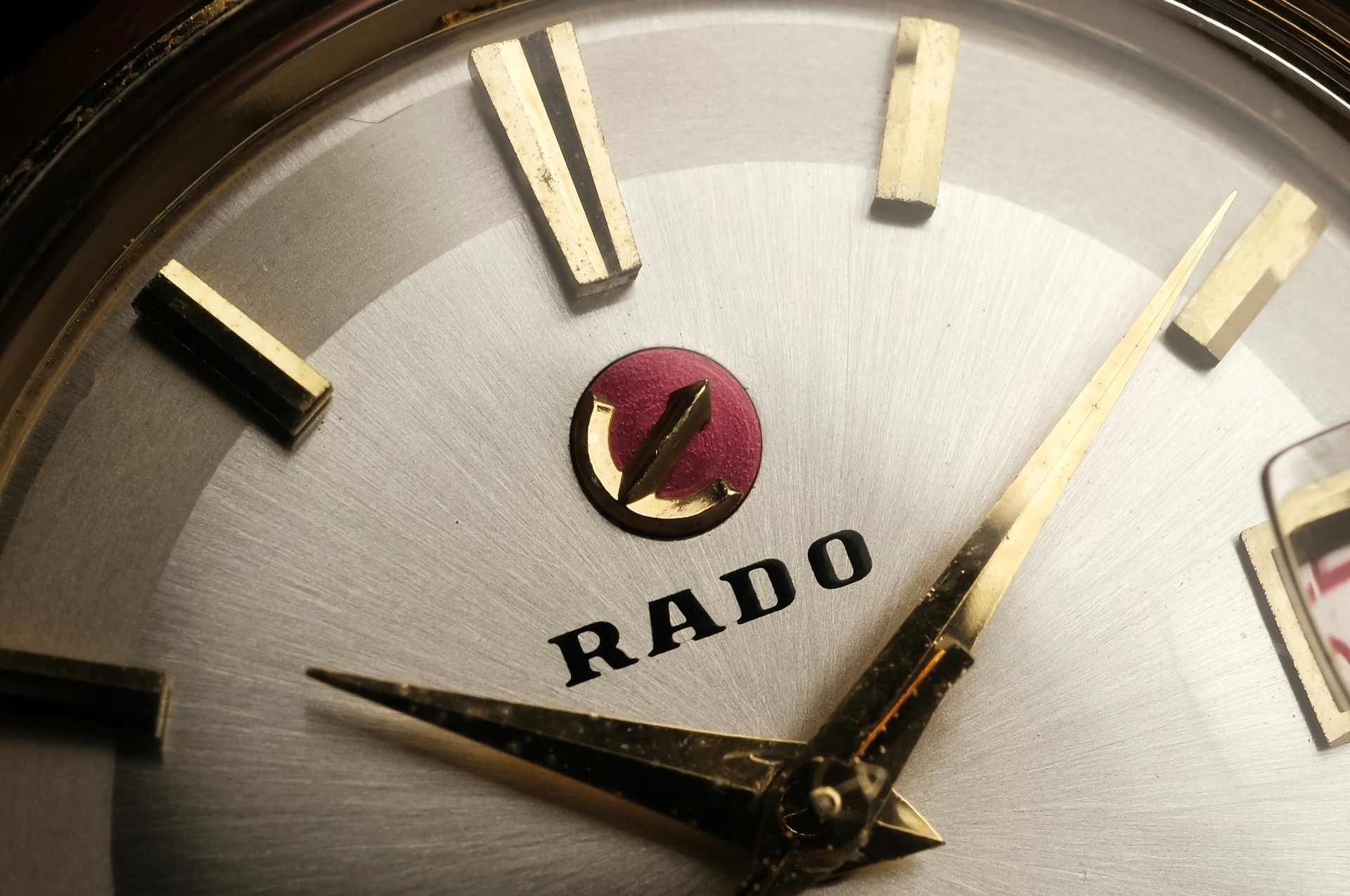
The evolution of the Rado logo offers dating assistance. Earlier pieces used different typography and anchor symbol treatments than later production. Crown designs and case back finishing also evolved, providing authentication markers for experienced collectors.
Documentation and original packaging, when available, significantly enhance confidence in dating and provenance. Rado boxes and papers from different eras have distinctive characteristics that, when present, help establish a watch's history.
Rado at Auction: Hidden Value
Rado watches frequently appear at auction at prices well below comparable Swiss brands. This pricing reflects brand perception rather than objective quality, creating opportunity for collectors who evaluate on merit rather than prestige.
When evaluating Rado pieces at auction, focus on condition and originality. The brand's material innovations mean that well-preserved examples should show minimal wear. Original bracelets, often integrated into the design, significantly impact both appearance and value.
DiaStar models attract the most collector attention, but Captain Cook, Golden Horse, and other lines offer value for those willing to explore beyond the flagship. Understanding which references represent particularly good execution helps identify pieces worth pursuing in a competitive auction environment.