Seiko Lord Matic 5606-7280: dials, wear and buying priorities
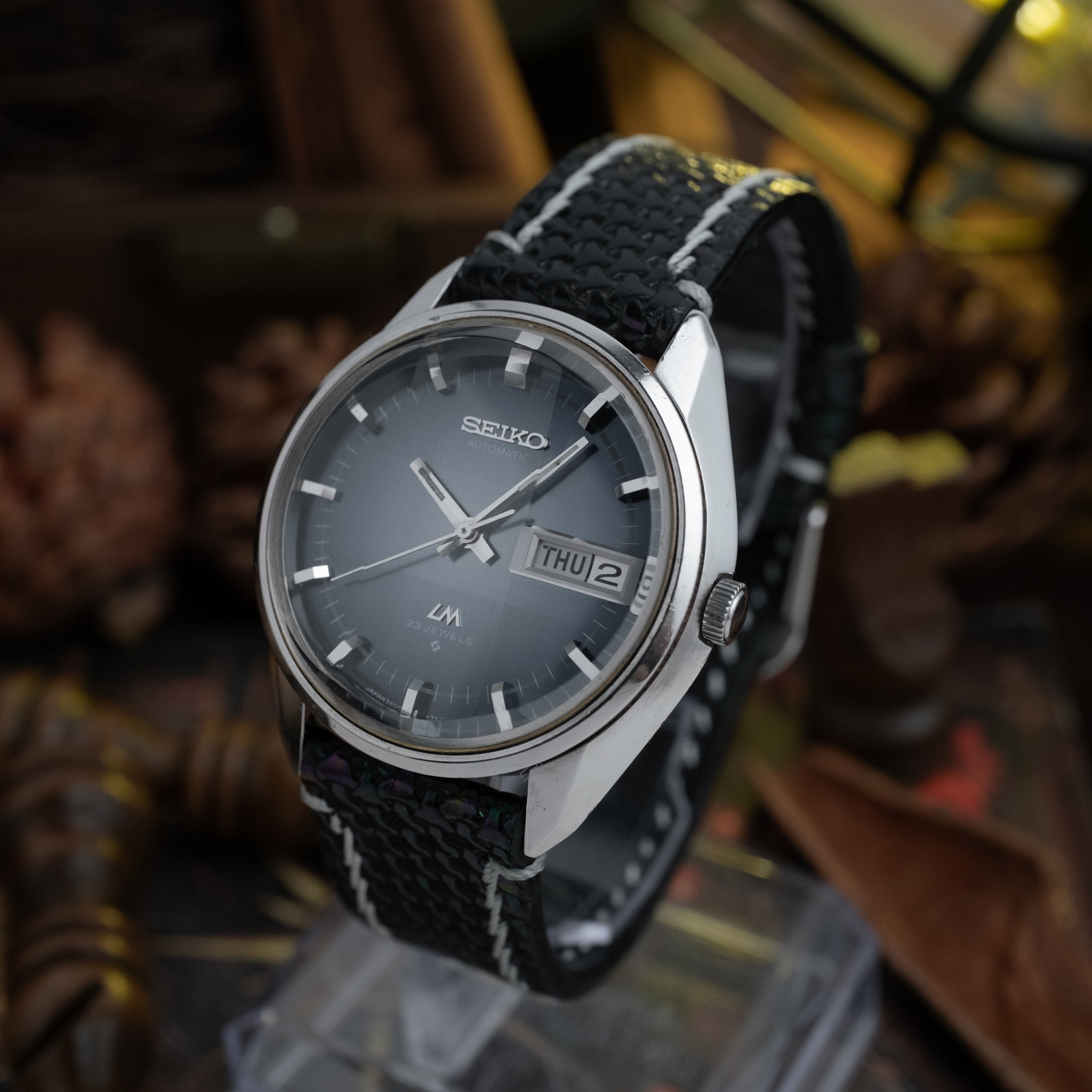
The Seiko Lord Matic 5606-7280 is a 1972-1973 automatic defined by a faceted crystal, geometric gradient dials and caliber 5606A.
We auction more than 100 vintage watches a week.
Get first access: new Seiko 5606-7280 drops and alerts before auctions end.
Browse 17 live Seiko auctionsThe Lord Matic 5606-7280 compresses Seiko's early 1970s design language into a stainless steel case, a faceted crystal and a geometric gradient dial. Known examples date from 1972 to 1973, with blue and brown executions built around horizontal segmentation and applied faceted indices.
The dial should decide the purchase. Blue can look more forceful and brown more restrained, but colour matters less than an intact gradient, correct applied furniture and unreworked printing. A clean dial under a strong faceted crystal is worth choosing over a sharper case paired with a redial, because refinishing removes the visual structure that distinguishes this reference.
Reference
5606-7280
Model
Lord Matic
Known production years
1972-1973
Movement
Automatic caliber 5606A
| Jewel count | 23 jewels |
| Recorded case size | 36-37 mm excluding the crown |
| Case material | Stainless steel |
| Known dial executions | Blue horizontal or segmented gradient; brown two-tone geometric gradient |
| Index style | Applied faceted indices |
| Crystal form | Faceted crystal |
What it was built for
The 5606-7280 was built as an automatic Lord Matic with caliber 5606A and 23 jewels, but its defining purpose is visual rather than technical excess. Horizontal gradient banding, faceted applied indices and the angular crystal turn ordinary wrist movement into changing blocks of colour and reflection.
That design places the watch firmly in 1972-1973. It works best when the dial, hands and crystal still read as one geometric composition, rather than as individually renewed parts. A replacement crystal with the wrong profile can leave the watch mechanically usable while removing much of what makes this reference distinct.
On the wrist
Handled examples measure 36 mm or 37 mm excluding the crown, a difference best treated as measurement variation unless the physical cases establish otherwise. In either reading, the 5606-7280 has enough dial area for its horizontal bands to remain obvious without turning into a large modern watch.
The faceted crystal changes the perceived shape more than the one-millimetre spread. It throws reflections across the blue or brown gradient and can make the applied block indices look broader from an angle. Under a cuff, those facets are also the part most exposed to knocks, so crystal condition has an unusually direct effect on both legibility and character.
What goes wrong
Hand oxidation is the clearest recurring fault in the examples handled, and it should be described rather than folded into the word patina. Local oxidation can be acceptable beside a clean dial, but corrosion spreading onto the dial surface is damage. A refinished dial costs more in character than honest oxidation on the handset.
Polishing is the next risk because the stainless steel case depends on defined lines; softened edges make the angular crystal look disconnected from the case. Scratches or chips across the crystal facets flatten its optical pattern, while an incorrect replacement profile changes the watch even when it fits. Redials often lose the precise horizontal gradient and the relationship between the printed text and applied faceted indices.
A franken example combines parts that did not leave the factory together, whereas a service dial would be a genuine factory replacement. The available evidence does not establish a service-dial pattern, crown geometry or caseback variation for this reference, so without documentation we prefer not to speculate beyond the dial architecture, 5606A movement and 5606-7280 identity the watch itself establishes.
Dating this watch
| Serial range / caliber | Year | Note |
|---|---|---|
| 5606 | 1968-1976 | caliber production window |
Dating data comes from our decoder tables; treat years as approximate.
What to check before you buy
- Dial architecture: A known 5606-7280 dial uses a blue segmented or horizontal gradient, or a brown two-tone geometric gradient, with applied faceted indices. Flat colour, crude banding or mismatched furniture can indicate a redial or incompatible dial.
- Hands and dial relationship: Known examples use baton hands, and some show oxidation confined to the handset. Fresh hands against an aged dial are not proof of replacement, but the mismatch requires closer comparison for period-correct shape and finish.
- Movement identity: The expected automatic movement is caliber 5606A with 23 jewels. A different caliber is a material warning because it can indicate a replacement movement, a married watch or a franken assembly.
- Case and crystal geometry: The stainless steel case should retain defined lines that visually meet the faceted crystal. Softened edges indicate polishing, while a smooth or incorrectly shaped replacement crystal removes a reference-specific part of the design.
- Reference consistency: The watch should be identified consistently as 5606-7280. Another reference attached to the case, dial or movement package is not a harmless punctuation difference and can indicate parts assembled from different watches.
- Crown, caseback and service parts: The available evidence does not establish one crown shape, caseback variation or factory service-dial pattern for 5606-7280. Those parts should not be declared original without documentation or a directly comparable, date-correct example.
Other 5606-7280 examples we auctioned
11 Seiko 5606-7280 auctioned
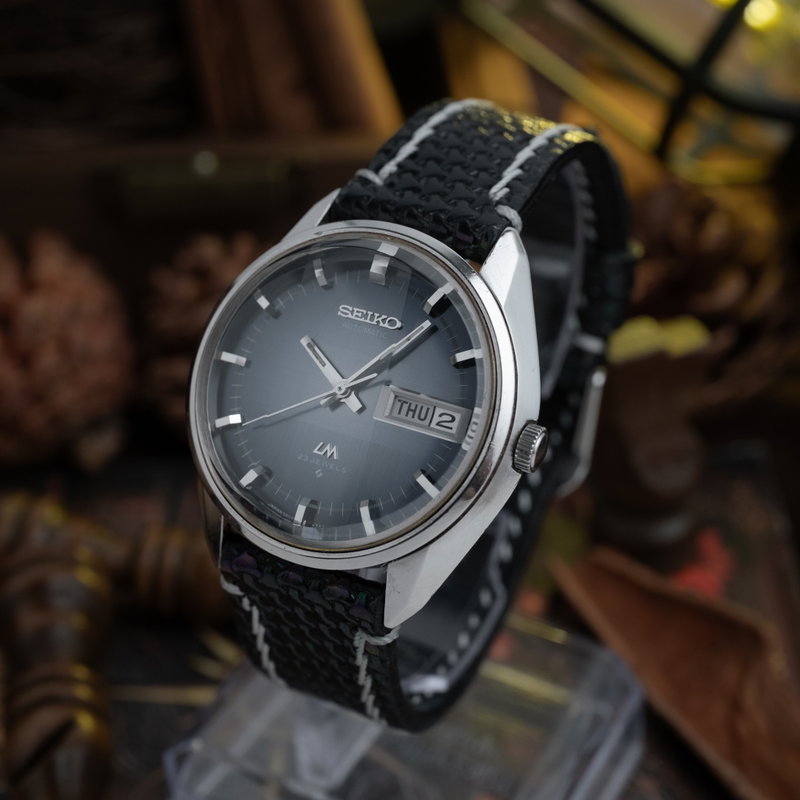
Seiko · Lord Matic · 5606-7280 · 1973
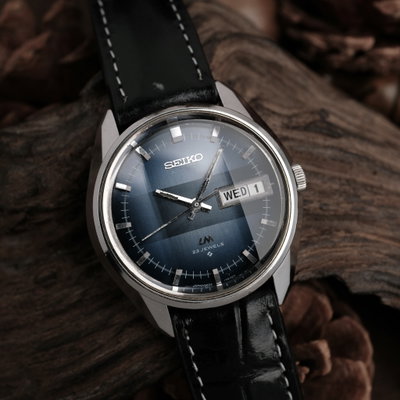
Seiko · Lord Matic · 5606-7280 · 1973
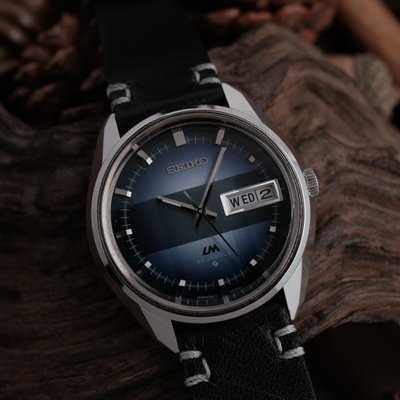
Seiko · Lord Matic · 5606-7280 · 1973
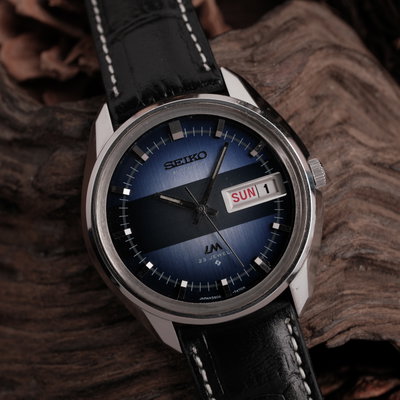
Seiko · Lord Matic · 5606-7280 · 1973
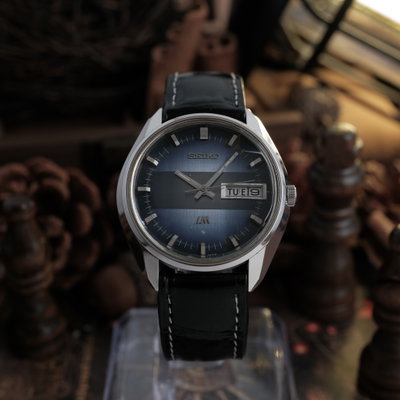
Seiko · Lord Matic · 5606-7280 · 1973
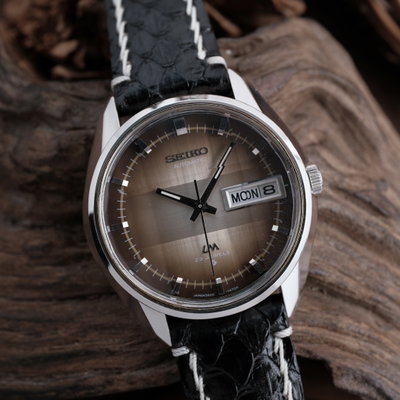
Seiko · Lord Matic · 5606-7280 · 1973
More Seiko references
Related pages
Frequently asked questions
Ready to hunt for your own?
More than 100 vintage watches go under the hammer every week.