Seiko Lord Matic 5606-5080: Dials, Condition and Buying Advice
Buy the Seiko Lord Matic 5606-5080 for its dial and faceted crystal, but choose sharp case lines over a preferred colour.
We auction more than 100 vintage watches a week.
Get first access: new Seiko 5606-5080 drops and alerts before auctions end.
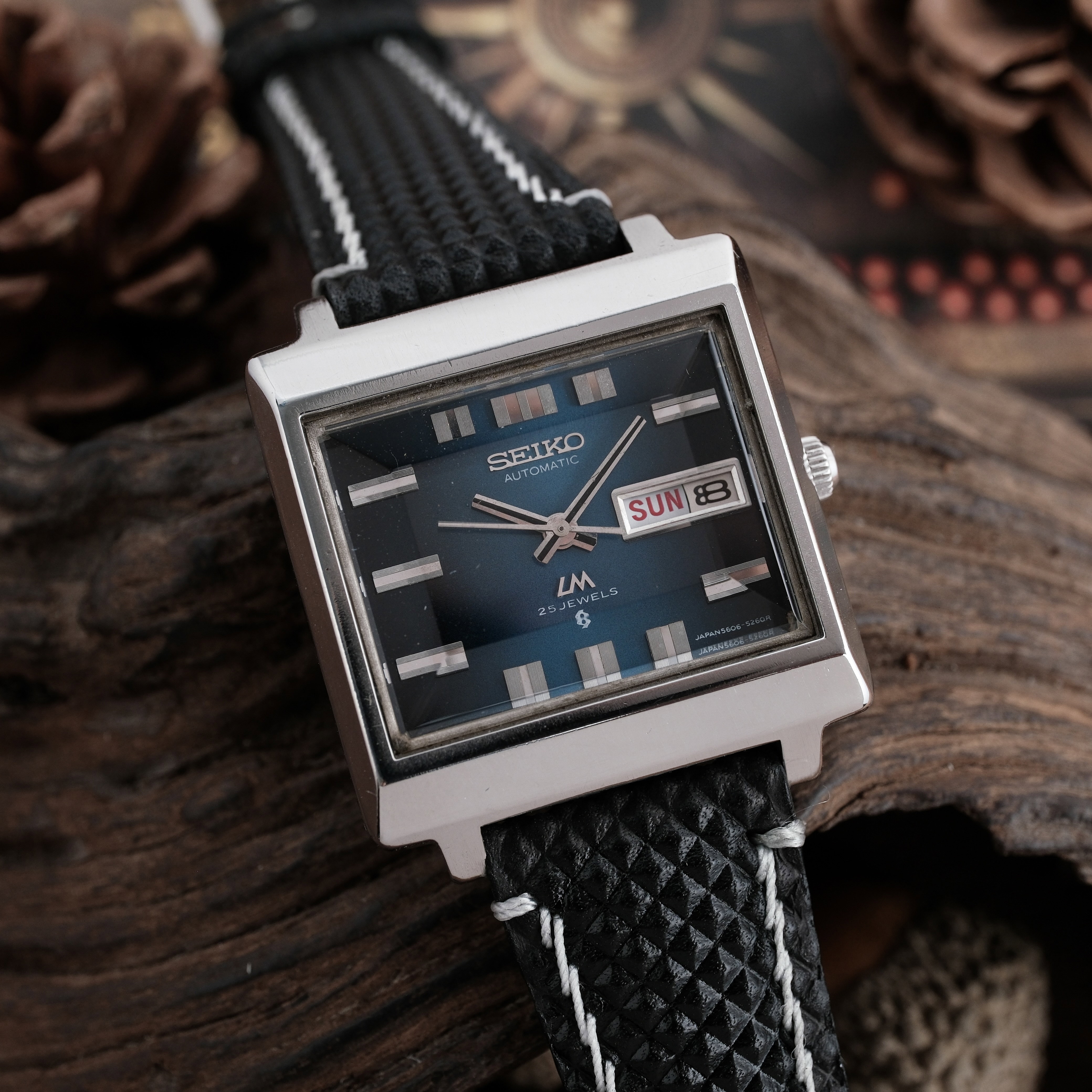
Browse 20 live Seiko auctionsThe faceted crystal gives the Lord Matic 5606-5080 its identity before the dial colour registers. Set over a square stainless-steel case, it breaks the light into hard planes and amplifies the vertical texture or gradient beneath. The result belongs firmly to Seiko's 1972-1973 design language, while the 34 mm diameter keeps the watch compact rather than bulky.
Deep blue appears with vertical brushing, striation or a stronger gradient, while grey gradient dials provide the quieter alternative. Applied indices and baton hands keep both versions legible. Buy the cleaner dial and sharper case rather than choosing by colour alone, because a redial or rounded case changes more of this reference than the difference between blue and grey.
Brand
Seiko
Model
Lord Matic
Reference
5606-5080
Known production years
1972-1973
| Case diameter | 34 mm excluding the crown |
| Case material | Stainless steel |
| Movement | Automatic caliber 5606 |
| Jewel count | 25 jewels |
| Crystal | Faceted crystal |
| Known dial variants | Deep blue vertically textured or gradient, and grey gradient |
| Display | Day-date |
What it was built for
The Lord Matic line sat above ordinary everyday Seiko models, and reference 5606-5080 expresses that position through construction rather than extra size. Its automatic caliber 5606 has 25 jewels, and the same movement series also powered many King Seiko watches. The square case, faceted crystal and textured dial made this a visibly modern watch in 1972-1973, not a conventional round dress piece.
At 34 mm excluding the crown, the case wears compactly, but its square outline occupies more visual space than the diameter suggests. The applied indices and striped baton hands remain clear against blue or grey gradient surfaces, while the day-date display adds useful information without dominating the dial. No thickness figure is established here, so cuff clearance should not be claimed from the reference alone.
Where the value sits
The dial carries the largest share of value. Blue dials range from vertically brushed or striated surfaces to a deeper gradient, while the known grey version uses a fumé effect with applied markers. A redial that flattens those transitions costs more than light case wear, and a service dial should be identified separately because a genuine factory replacement is not the same thing as refinishing.
Case definition and crystal shape come next. The strongest examples retain straight transitions around the square case and distinct facets in the crystal, allowing the dial texture to change as the wrist moves. An English and Kanji day wheel is documented on a 1972 example, but the available evidence does not establish that configuration for every watch. Without documentation, it should not command a premium on its own.
What goes wrong
A refinished dial is the most expensive fault because vertical brushing, gradient depth and applied furniture are central to this reference. Over-polishing then softens the square case lines, while scratches or an incorrect plain replacement crystal remove the faceted reflections. Oxidation on the striped baton hands, spotting across the dial and mismatched calendar parts are further reasons to reject a watch rather than excuse it as patina.
Mechanical condition needs separate judgement from appearance. Reported 1972 examples ran between roughly +26 and +40 seconds per day, but those readings do not establish service history or predict another watch's performance. The service history is unknown unless supported by records, and the caliber production window cannot date the complete watch by itself. Between a sharp grey example and a softened blue one at the same level, take the grey.
Dating this watch
| Serial range / caliber | Year | Note |
|---|---|---|
| 5606 | 1968-1976 | caliber production window |
Dating data comes from our decoder tables; treat years as approximate.
What to check before you buy
- Dial surface and furniture: Known dials are deep blue with vertical brushing, striation or gradient, or grey with a gradient finish. Applied indices and an applied Seiko logo should sit cleanly on that surface without obscuring refinishing.
- Hands: Known examples use baton hands with central striping, including black stripes with white centres on the grey dial. Oxidation, corrosion or unrelated hand shapes can indicate replacement parts or a franken assembly.
- Case and crystal: The stainless-steel case is 34 mm excluding the crown, with square geometry beneath a faceted crystal. Soft transitions indicate polishing, while a plain replacement crystal removes a defining part of the reference.
- Movement specification: The correct movement specification is automatic caliber 5606 with 25 jewels. A different caliber or jewel count is inconsistent with 5606-5080 and raises the possibility of a married or franken watch.
- Caseback and reference: The reference supplied with the watch must match 5606-5080 exactly. The available evidence does not establish a definitive engraving layout, so claims based on caseback font or placement would be speculation.
- Crown: The available evidence does not establish one definitive crown profile or signed-crown requirement for 5606-5080. A crown can therefore be period-correct without being provably original, and it cannot authenticate the watch alone.
- Calendar configuration: The reference has a day-date display, and an English and Kanji wheel is documented on a 1972 example. That language pairing is not established for every watch, but mismatched calendar components merit closer scrutiny.
- Redial and franken tells: Flat colour where a gradient or vertical texture should remain, poorly seated applied indices, unrelated hands or a movement other than caliber 5606 point toward refinishing or parts that did not ship together.
Other 5606-5080 examples we auctioned
33 Seiko 5606-5080 auctioned
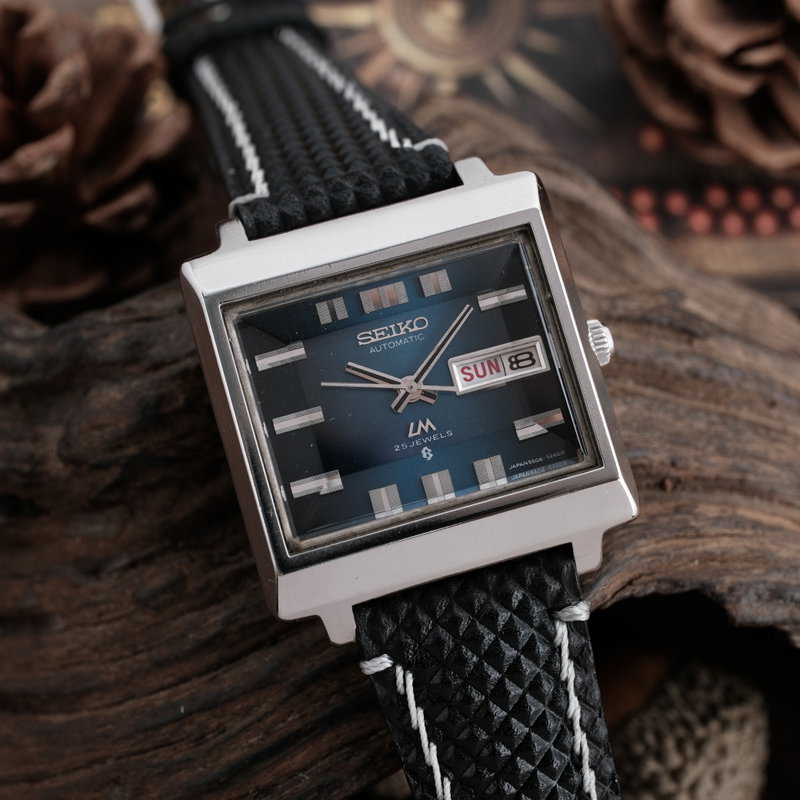
Seiko · Lord Matic · 5606-5080 · 1972
Seiko · Lord Matic · 5606-5080 · 1972
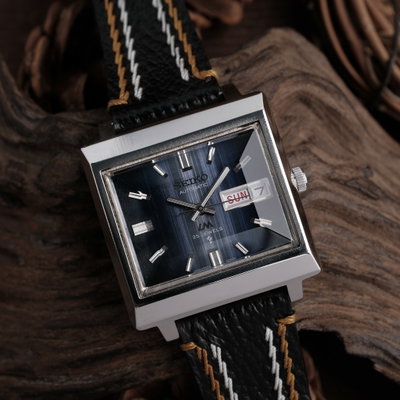
Seiko · Lord Matic · 5606-5080 · 1973
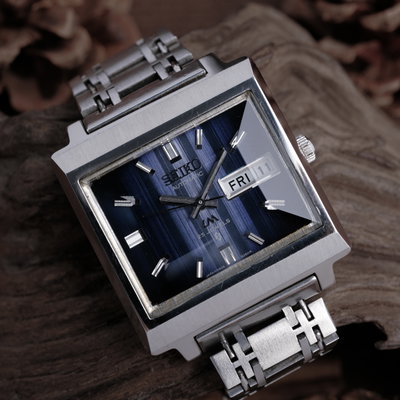
Seiko · Lord Matic · 5606-5080 · 1973
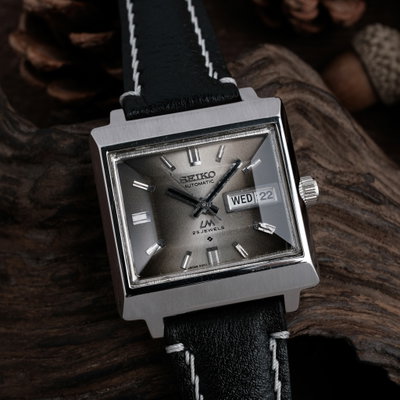
Seiko · Lord Matic · 5606-5080 · 1972
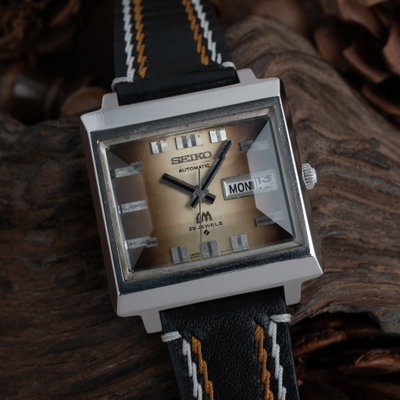
Seiko · Lord Matic · 5606-5080 · 1973
More Seiko references
Related pages
Frequently asked questions
Ready to hunt for your own?
More than 100 vintage watches go under the hammer every week.