Welcome to Vintage Collecting
Purchasing your first vintage watch is a milestone that marks the beginning of a fascinating journey into horological history. Unlike modern timepieces, vintage watches carry stories, of the craftsmen who made them, the eras they witnessed, and the wrists they adorned.
This guide will walk you through everything you need to know to make an informed first purchase, from understanding what makes a watch 'vintage' to identifying quality pieces that will bring you joy for years to come.
What Defines a Vintage Watch?
In the watch world, 'vintage' typically refers to timepieces that are at least 20-25 years old. However, the term encompasses more than just age, it speaks to a particular era of watchmaking, often before the quartz revolution of the 1970s fundamentally changed the industry.
Vintage watches were crafted in an era when mechanical precision was paramount, when watchmakers spent hours hand-finishing movements, and when each timepiece represented significant human achievement. These are the qualities that make vintage watches so compelling to collectors today.
Setting Your Budget
Your first vintage watch doesn't need to break the bank. Excellent entry points exist at every price level, from accessible mechanical watches from respected brands to iconic references from prestigious houses.
Consider what you're comfortable spending. A good approach is to start with a price range you can afford without stress, allowing you to learn and refine your taste before committing to larger investments.
Choosing Your Style
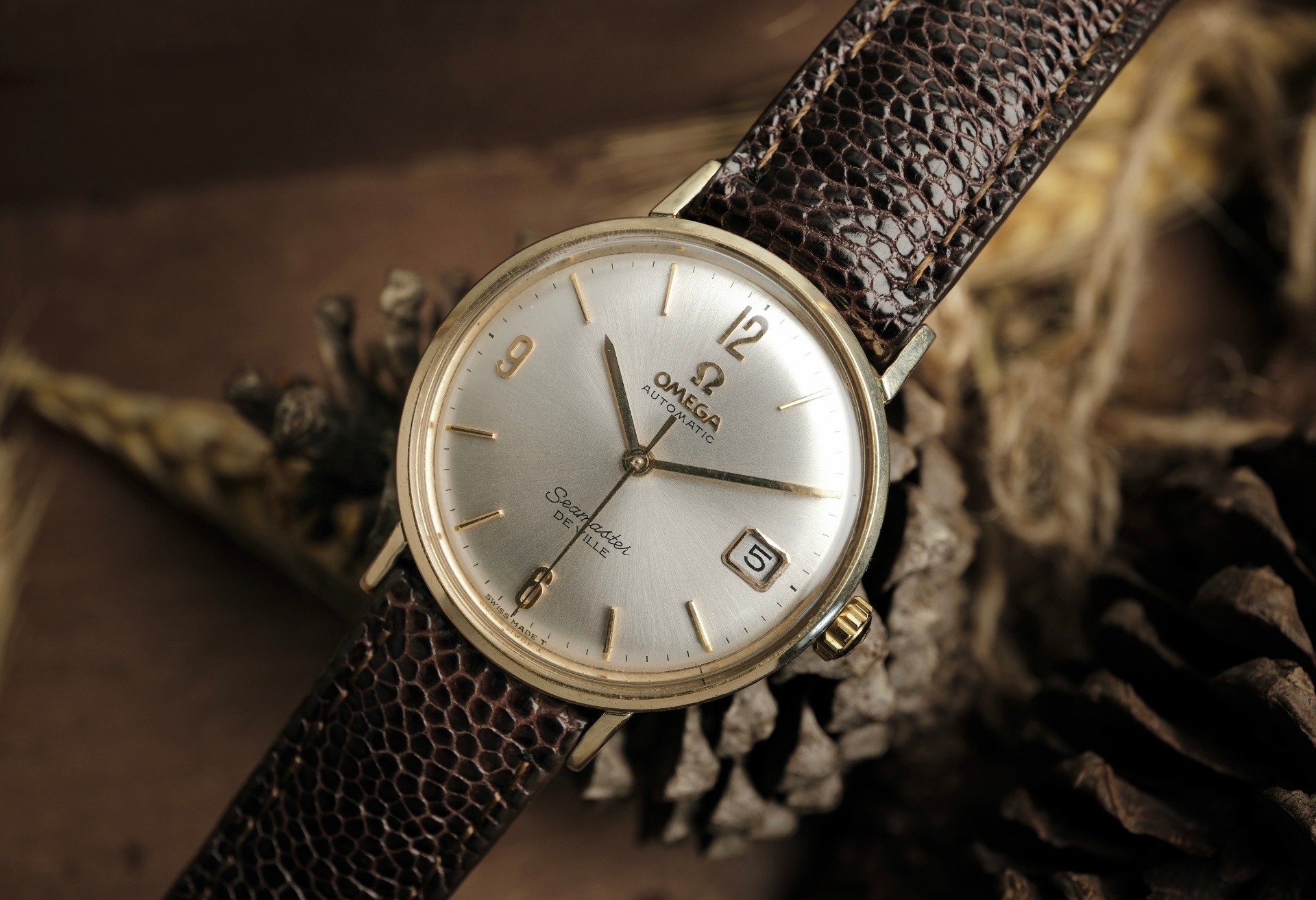
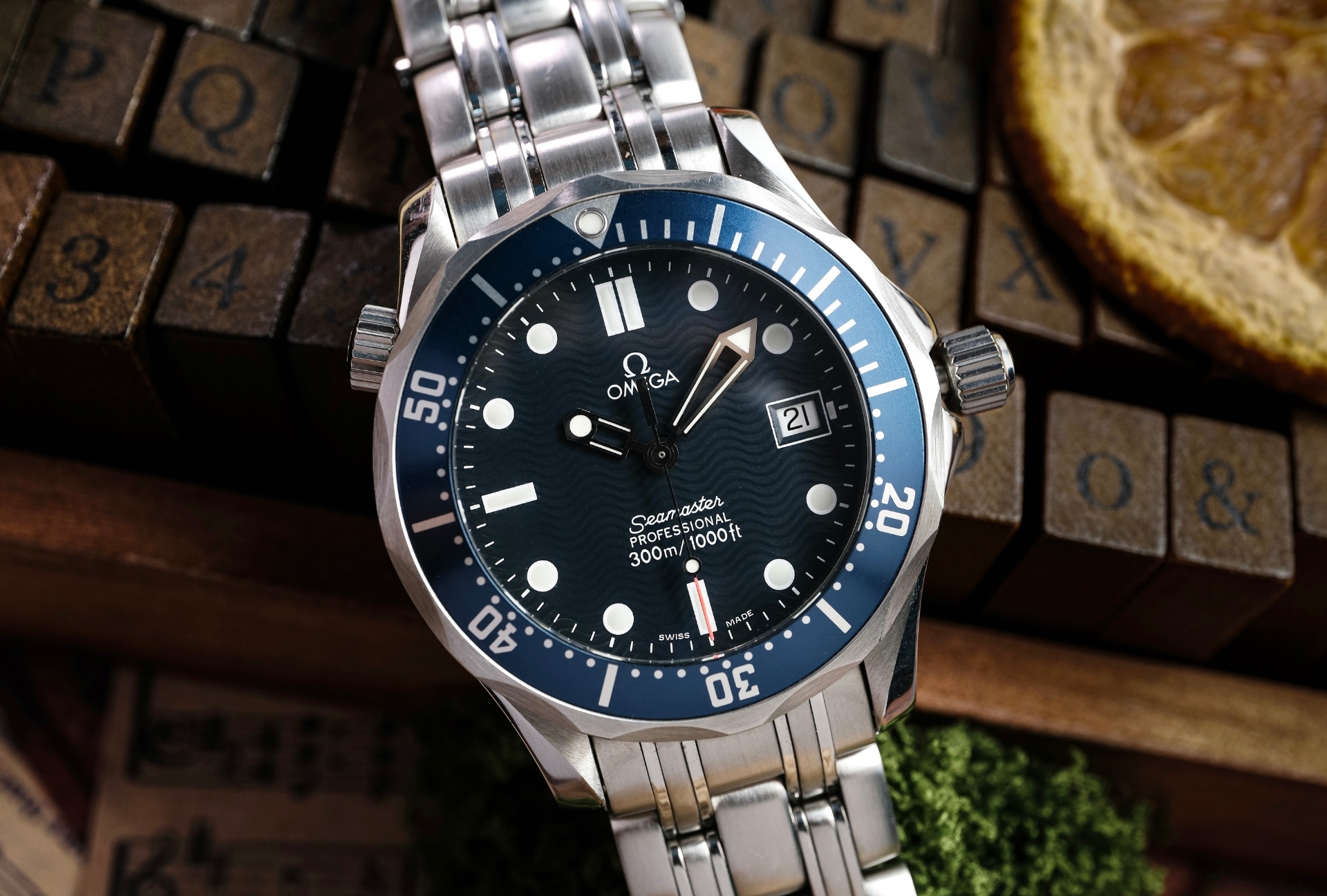
Vintage watches come in countless styles: dress watches with slim profiles, robust dive watches, precise chronographs, and elegant gold pieces. Consider your lifestyle and wardrobe. A versatile dress watch in steel works beautifully with both casual and formal attire, while a vintage diver makes a bold everyday statement.
Don't rush this decision. Browse auction catalogs, visit vintage watch shows if possible, and allow your taste to develop. The right first watch will speak to you, it should excite you every time you look at your wrist.

Understanding Condition
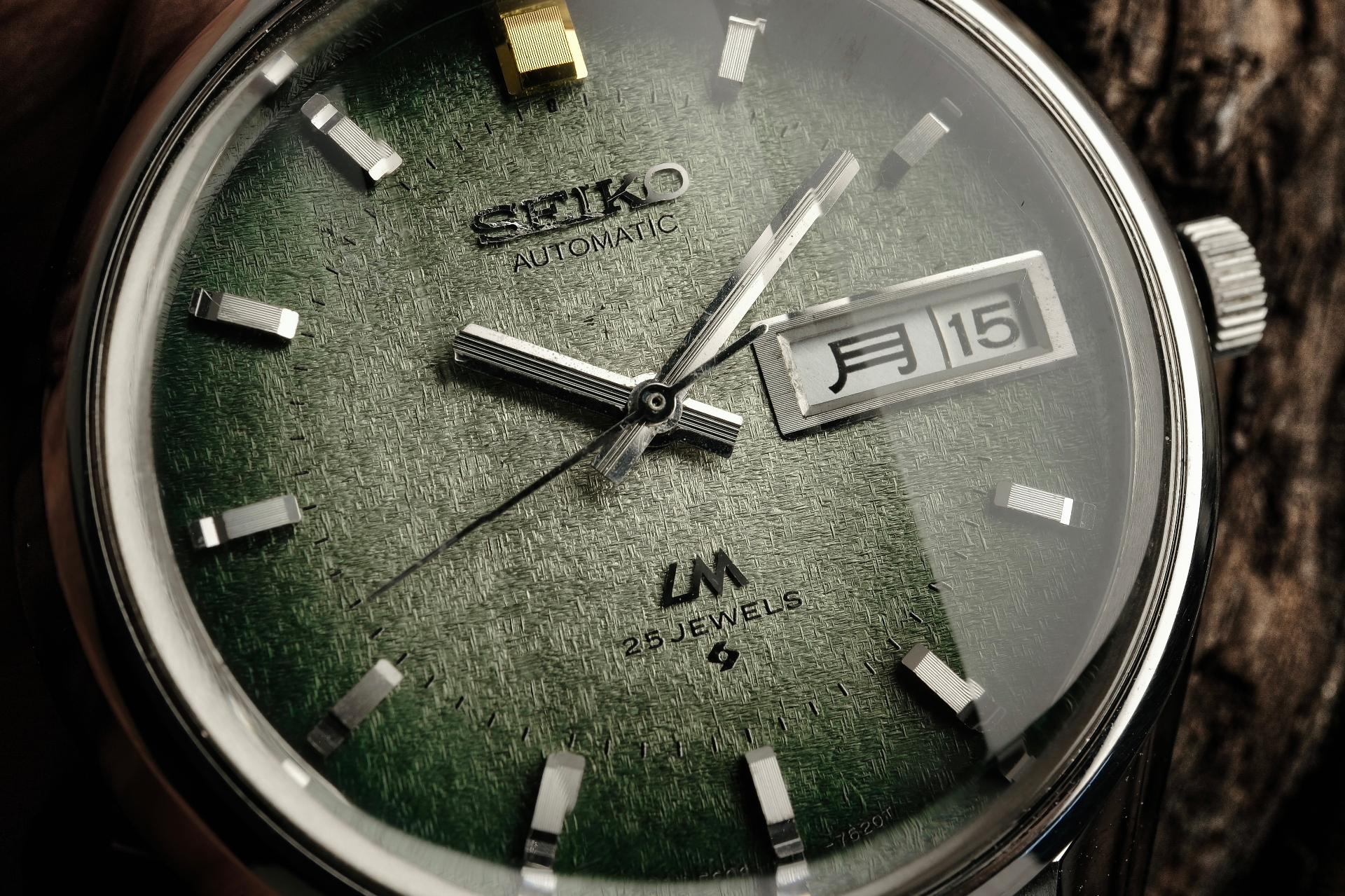
Condition is crucial in vintage watches. Look for pieces where the case retains its original proportions without heavy polishing that removes metal. Crystal should be appropriate to the era, acrylic for most pre-1980s pieces, sapphire for later examples.
Dials tell a story. Original dials, even with light patina or age-appropriate marks, are generally preferred by collectors.
The movement should run and keep reasonable time. Our listings provide detailed condition information to help you make informed decisions.
The 'Buy the Seller' Protocol
In vintage watch collecting, the seller matters as much as the piece itself. Established dealers and reputable auction houses stake their reputations on every transaction. They provide accurate descriptions, honest condition assessments, and stand behind their sales.
Research potential sellers thoroughly. How long have they been in business? What do previous buyers say about their experiences? Do they specialize in vintage watches, or are these occasional offerings? A seller who focuses on vintage timepieces typically possesses deeper knowledge and higher standards.
Frankenwatch Awareness
A 'frankenwatch' combines parts from different watches, sometimes legitimately through decades of service, sometimes intentionally to deceive. Understanding this phenomenon helps protect your purchases.
The key is consistency. All components should date to the same production era and be appropriate for the stated reference. Serial numbers, case backs, dial feet positions, and movement spacing should align with manufacturer records for that specific model.
Reading Auction Photographs
Auction photographs are your primary evaluation tool when buying online. Learn to extract maximum information from the images provided.
Study dial photos for printing quality and surface condition. Examine case shots for polishing wear, case back engravings, and crown condition. Use the provided images to assess overall presentation and condition.
Common Newcomer Mistakes
New collectors often focus excessively on brand prestige while overlooking condition. A tired example from a famous manufacturer offers less satisfaction than a pristine piece from a lesser-known but quality brand.
Rushing purchases is another frequent error. The perfect watch appears when you're prepared, not when you're desperate. Building knowledge before building a collection prevents costly mistakes.
Remember to consider total costs including applicable fees, taxes, and shipping when evaluating a purchase.
Buying from Trusted Sources
Where you buy matters enormously. Reputable auction platforms like those we partner with provide authentication, accurate descriptions, and buyer protections. Established vintage watch dealers stake their reputation on every sale.
Be cautious of deals that seem too good to be true, they usually are. Due diligence protects your investment.
Making Your First Purchase
When you've found a piece that excites you, take your time reviewing all available photographs. Note any mentioned imperfections and ensure you're comfortable with them.
Welcome to the world of vintage watch collecting. Your first purchase is just the beginning of a rewarding journey through horological history.