The Heart of a Timepiece
The movement, or caliber, is the engine that brings a watch to life. Understanding movements is fundamental to appreciating vintage watches, as these mechanical marvels represent centuries of horological development.
This guide explores the major movement types you'll encounter in vintage watches, what distinguishes quality craftsmanship, and how to evaluate the mechanical heart of any timepiece.
Manual-Wind Movements
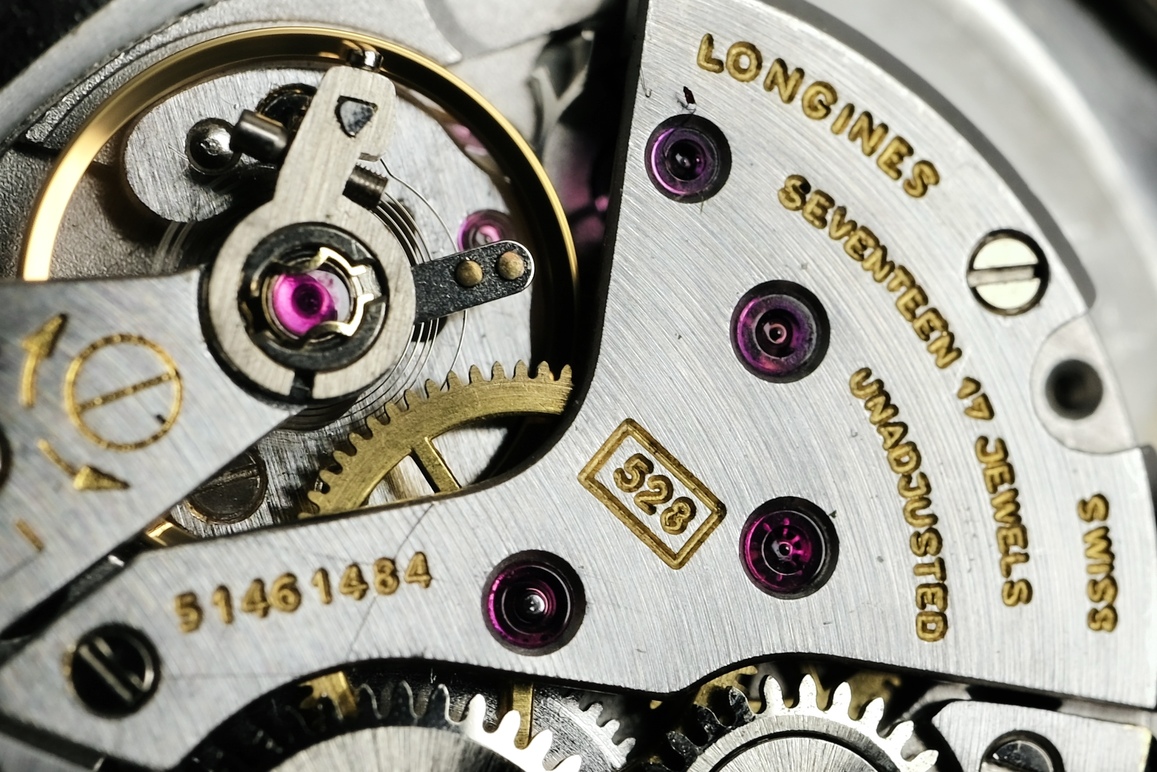
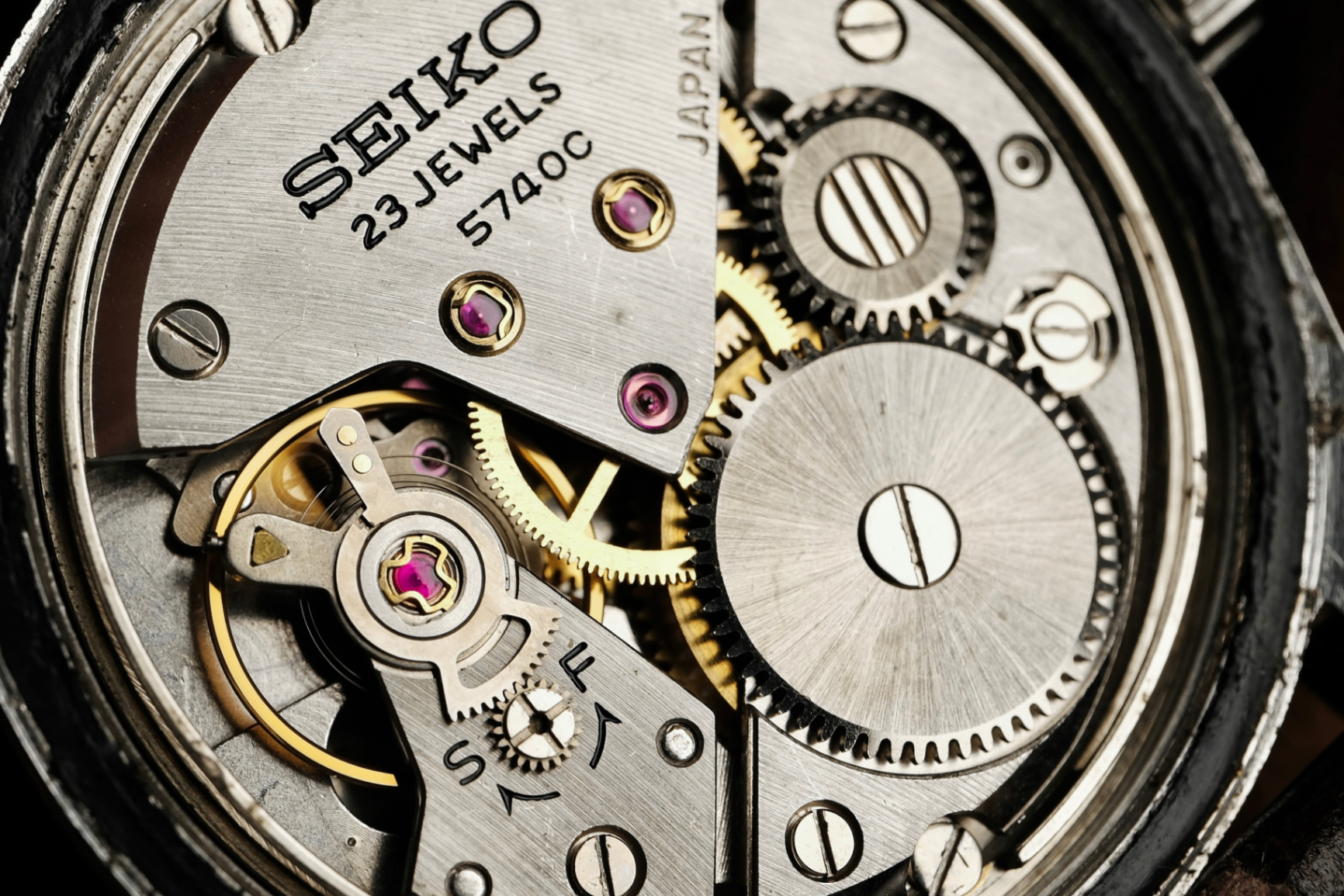
Manual-wind movements are the purest expression of mechanical watchmaking. The wearer winds the crown daily, tensioning the mainspring that powers the watch. This direct connection between owner and timepiece is part of vintage collecting's charm.
When fully wound, you should feel distinct resistance, overwinding protection in some calibers prevents damage.
Automatic Movements
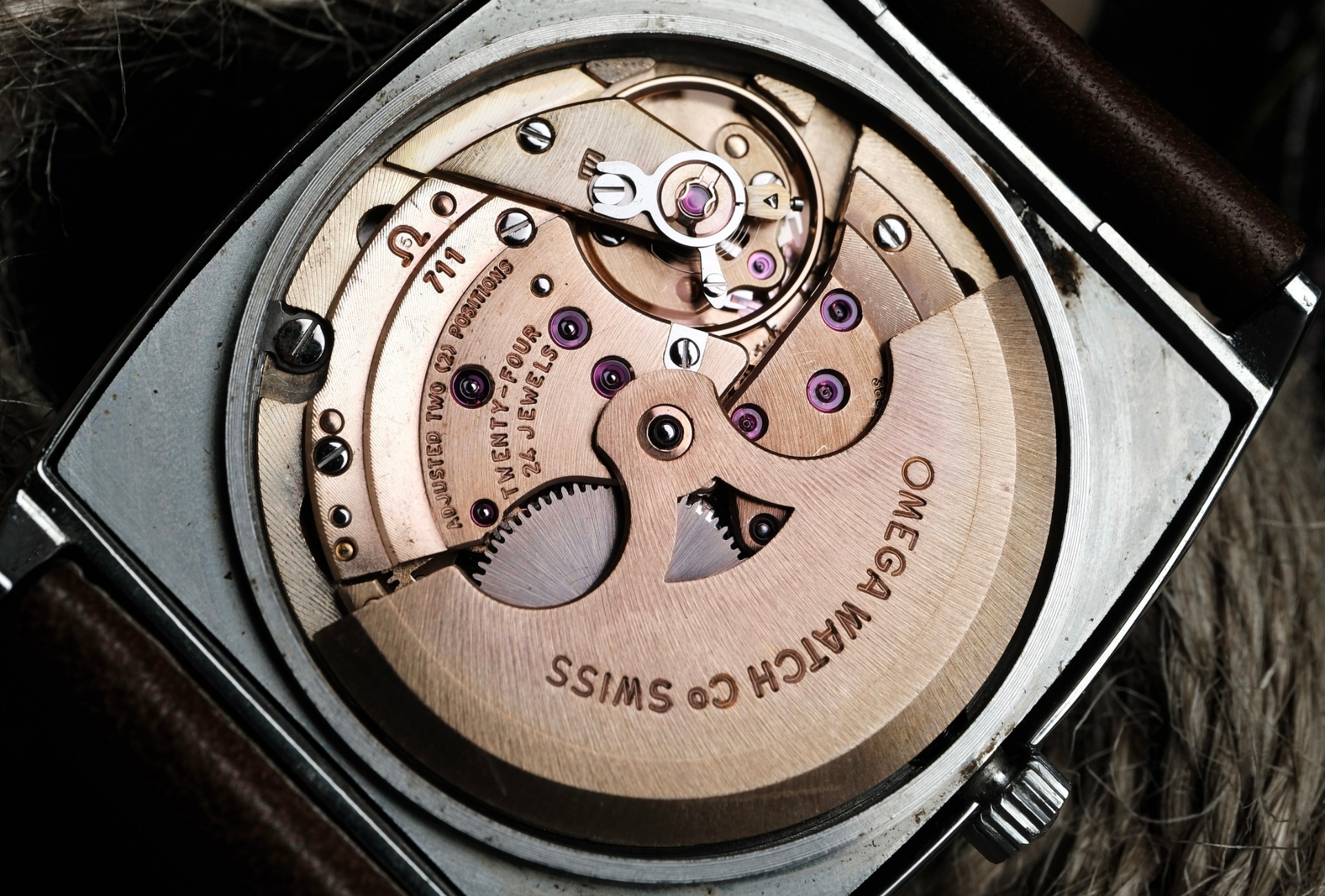
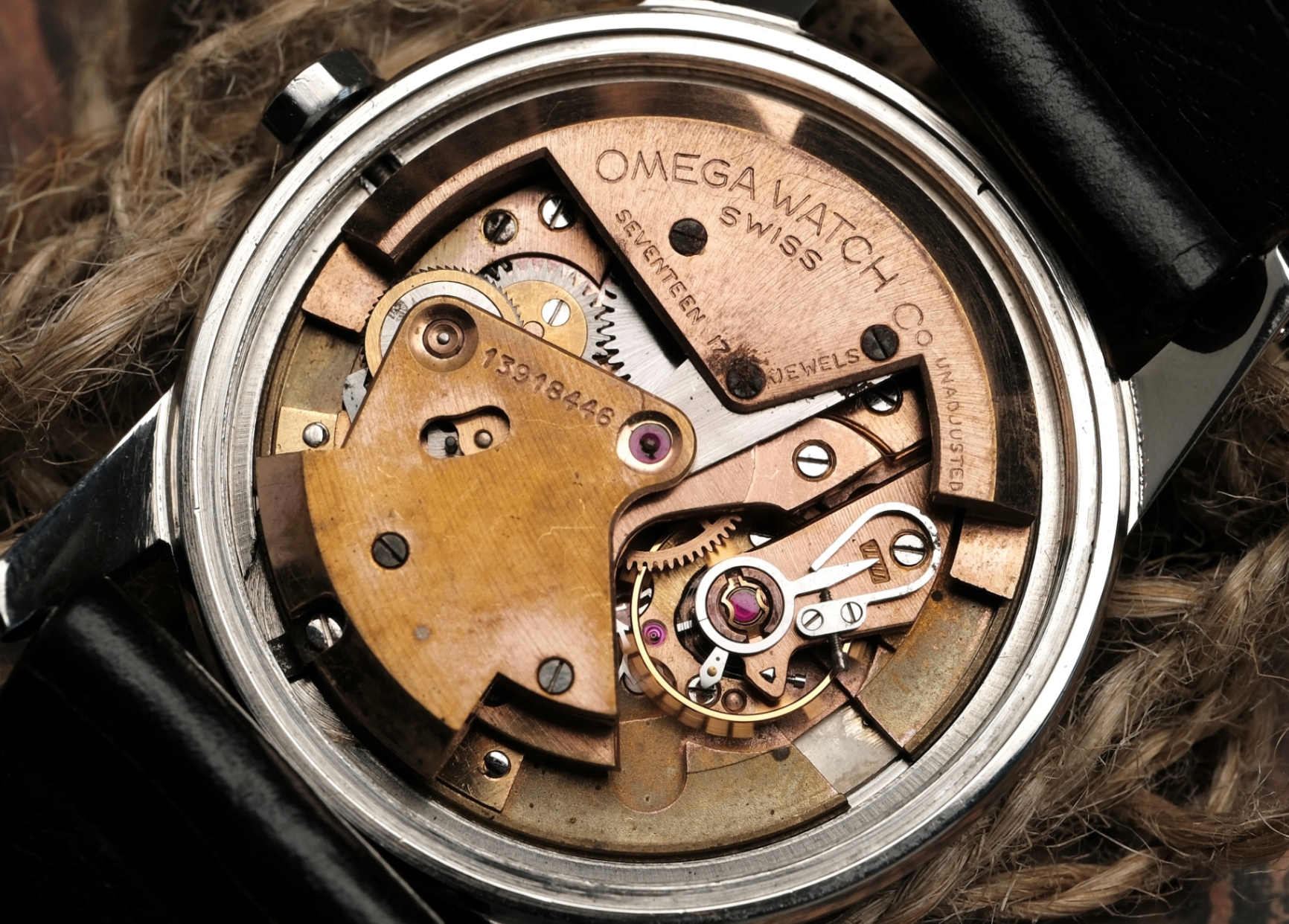
Automatic (self-winding) movements harness wrist motion to wind the mainspring via a weighted rotor. First patented by Abraham-Louis Perrelet in the 1770s, automatic winding became standard in quality watches by the mid-20th century.
Vintage automatic movements vary in rotor design, some wind in both directions (bidirectional), others only in one (unidirectional). The rotor should spin freely without scraping or noise.
Chronograph Movements
Chronograph movements add stopwatch functionality to timekeeping, representing significant mechanical complexity. Vintage chronographs typically feature column-wheel or cam-actuated designs, each with distinct characteristics.
Column-wheel chronographs, prized by collectors, offer smooth pusher action and crisp start-stop-reset functions. Famous examples include movements by Valjoux, Lemania, and in-house calibers from prestigious manufacturers. Cam-actuated designs, while less celebrated, power many excellent and affordable vintage chronographs.
Reading Movement Condition
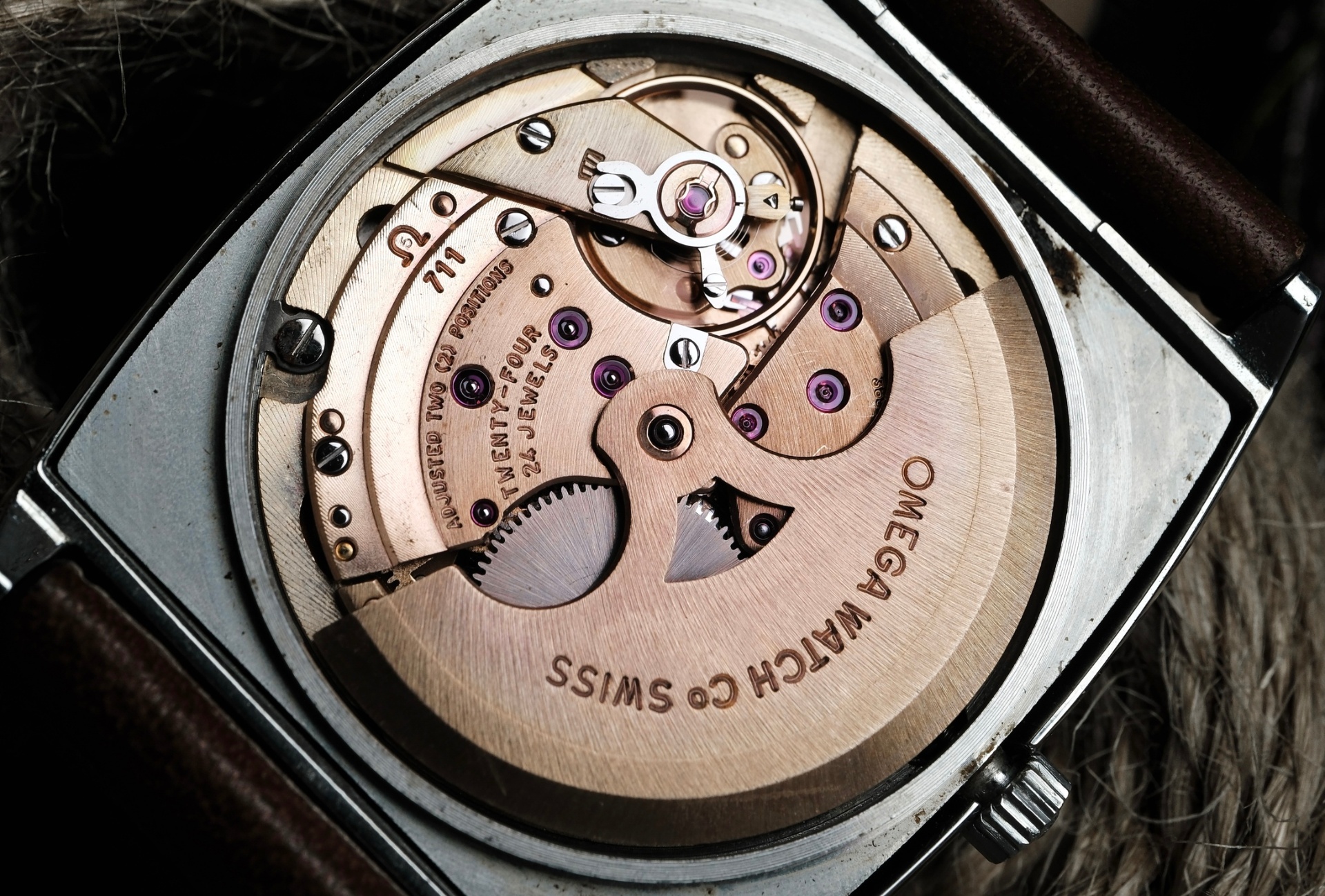
Movement photographs reveal much about a watch's history and care. Clean movements with bright plating suggest regular maintenance. Dust, debris, or visible corrosion indicate neglect that may require extensive service.
Examine screw heads carefully. Pristine slot edges suggest professional service or untouched condition. Burred or chewed slots reveal amateur work, raising questions about what else might have been mishandled.
Movement Finishing Quality
Movement finishing distinguishes everyday calibers from exceptional ones. Geneva stripes (Cotes de Geneve), circular graining (perlage), and polished bevels (anglage) require skilled hand-finishing that adds no functional benefit but demonstrates craftsmanship commitment.
Vintage movements from premium manufacturers display meticulous finishing on visible surfaces. Some calibers received finishing on hidden surfaces as well, a sign of manufacturers who prioritized excellence over efficiency.
Inspect finishing quality in movement photographs. Sharp, consistent striping patterns and mirror-polished steel components indicate quality manufacturing. Rough finishing or inconsistent patterns suggest cost-conscious production.
Amplitude and Health Indicators
Amplitude measures the arc of the balance wheel's swing and serves as a key health indicator. Healthy vintage movements typically show amplitude between 170 and 300 degrees, though acceptable ranges vary by caliber and position.
Low amplitude often indicates worn components, dried lubricants, or magnetization. Very high amplitude can suggest issues requiring attention. Consistent amplitude across positions (dial up, dial down, crown positions) indicates a well-adjusted movement.
Professional watchmakers measure amplitude using timing machines. Understanding amplitude helps interpret condition assessments and evaluate a movement's overall health.
The Ritual of Winding
Winding a manual watch connects you directly to its mechanical heart. The feel of the crown, the building resistance as the mainspring tightens, the final stop when fully wound, these sensations become ritualistic pleasures for collectors.
Develop consistent winding habits. Morning winding ensures full power throughout the day. Wind slowly and smoothly, avoiding jerky motions that stress the winding mechanism. With time, you'll know by feel exactly when each watch reaches full wind.
For automatic watches worn intermittently, consider hand-winding before wearing. Twenty to thirty crown turns provide ample reserve to start. Once on the wrist, normal motion maintains the power reserve throughout the day.
Movement Matching and Period-Correctness
Authentic vintage watches should contain movements original to their cases. Serial number research can verify whether a movement was correctly cased for a particular reference.
Movement matching matters most for collectible references. A vintage Speedmaster should contain the correct Omega caliber for its case serial range. A Submariner's movement serial should fall within expected production dates.
Famous Vintage Calibers
Certain vintage calibers achieved legendary status. The Omega 321, hand-wound chronograph movement that went to the moon. The Rolex 1570, the robust automatic heart of countless Datejust and Submariner models. The Zenith El Primero, first automatic chronograph movement running at 36,000 vibrations per hour.
Universal Geneve's calibers, Longines' refined movements, and Jaeger-LeCoultre's innovative designs all represent peaks of 20th-century watchmaking. Learning to recognize these calibers deepens your appreciation for the vintage watches that house them.
Movement Servicing Considerations
Vintage movements require periodic attention. While some collectors prefer servicing every few years to ensure optimal performance, others take a more relaxed approach, servicing only when timekeeping deteriorates or the movement runs dry.
The right interval depends on the movement, its current condition, and your personal preference for accuracy. A skilled watchmaker familiar with vintage calibers is essential, modern service techniques can sometimes harm delicate vintage components.
Parts availability varies by caliber. Common movements like the ETA 2824 or Valjoux 7750 have abundant parts. Rare or proprietary calibers may require patience to source correct components, making originality and condition even more valuable.