The Golden Decade
The 1960s represent a pinnacle of mechanical watchmaking, the final flourishing before the quartz revolution would reshape the industry. During this decade, manufacturers refined designs, movements reached new heights of precision, and the space race inspired iconic timepieces.
For collectors, 1960s watches offer the perfect balance: mature, reliable movements; timeless designs that remain wearable today; and relative accessibility compared to earlier pieces.
Design Language of the Era
1960s watch design reflected broader cultural movements. Early in the decade, cases retained the curved, organic shapes of the 1950s. By mid-decade, designs grew bolder, larger cases, dramatic dials, and adventurous color combinations emerged.
The 'space age' aesthetic influenced many designs, with futuristic case shapes and cosmic-inspired dial layouts. Simultaneously, traditional dress watches maintained classical proportions, often featuring elegant applied indices and dauphine hands that catch light beautifully.

Beyond the Famous Names
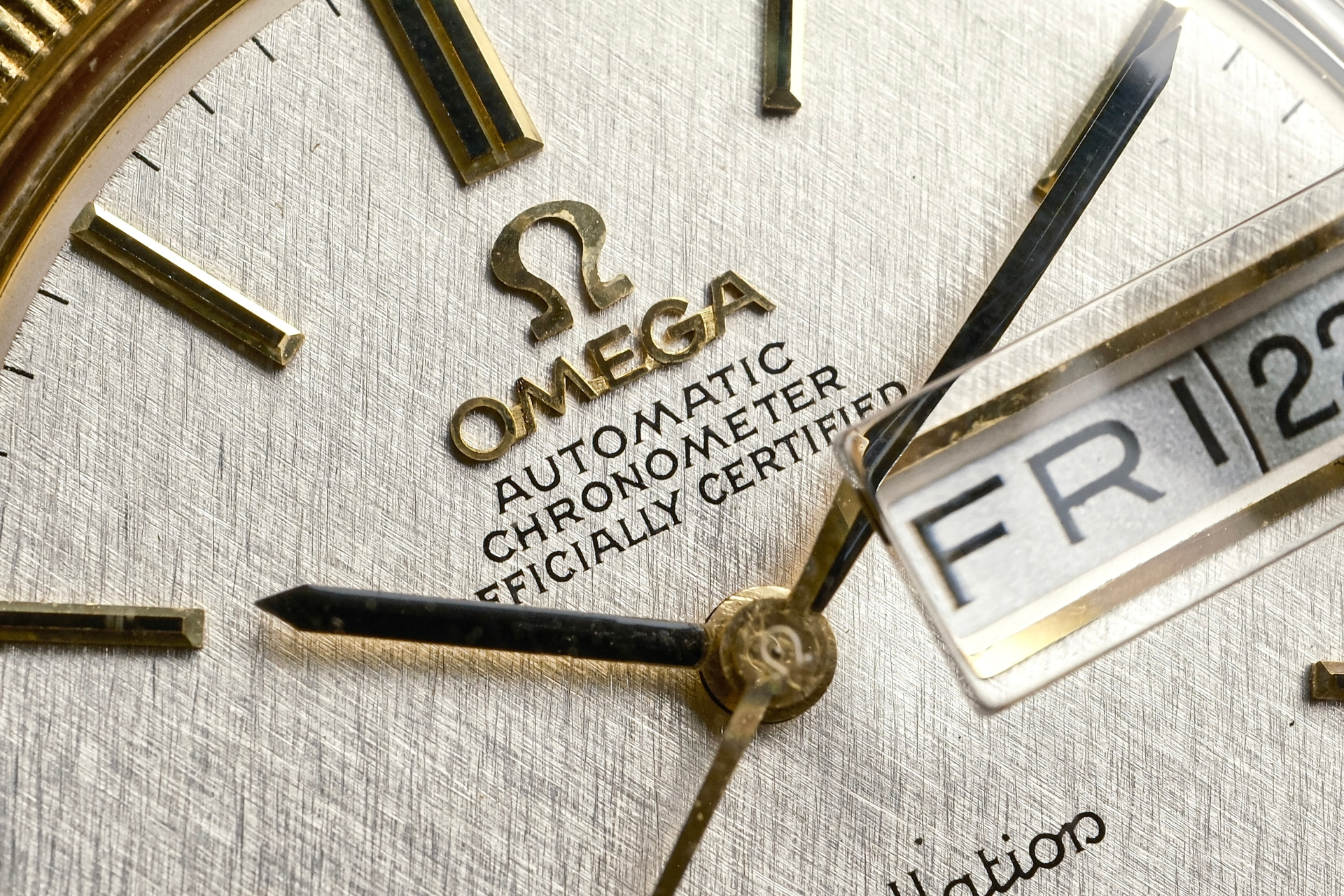
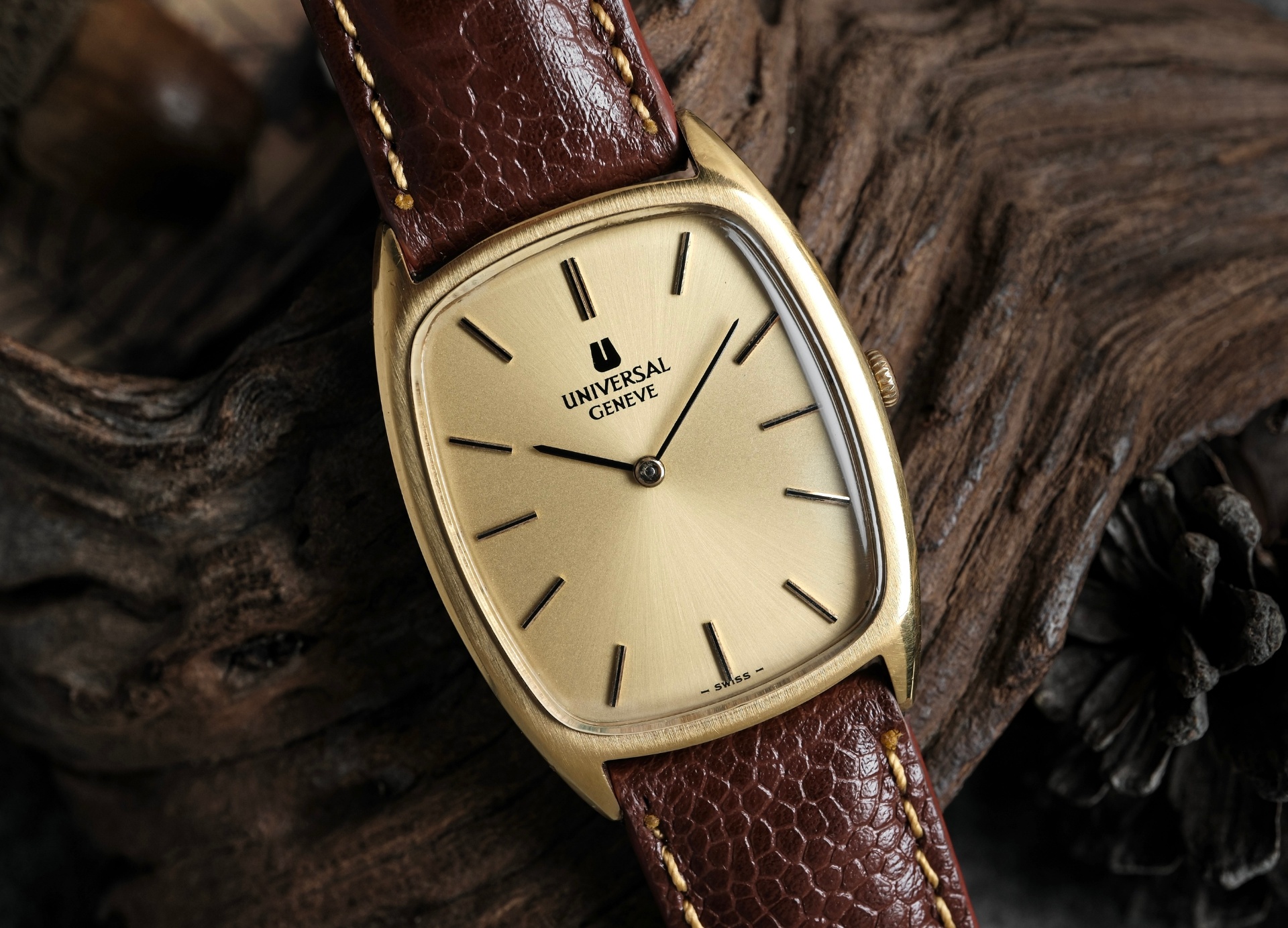
While Rolex, Omega, and Heuer dominate 1960s collecting discussions, remarkable watches emerged from dozens of manufacturers. Universal Geneve produced exceptional chronographs. Longines offered refined elegance. Eberhard, Movado, and Wittnauer created pieces rivaling their more famous contemporaries.
Lesser-known brands often provide better value for collectors. A Universal Geneve Compax chronograph offers column-wheel sophistication at a fraction of comparable Rolex Daytona prices. An Eberhard Extra-Fort matches quality with any branded chronograph of the era.
Exploring beyond famous names develops connoisseurship. You learn to evaluate quality independent of brand prestige, building expertise that serves throughout your collecting journey.
The Space Race Influence
The space race transformed 1960s watch design and marketing. NASA's selection of the Omega Speedmaster for space missions created the most famous watch endorsement in history. But the influence extended far beyond one model.
Manufacturers embraced aerospace themes in design and naming. Rocket-inspired case shapes, celestial dial motifs, and names referencing space exploration proliferated. The Bulova Accutron, with its revolutionary tuning-fork movement, was marketed with space age imagery.
Tool watch development accelerated as manufacturers sought to equip professionals for extreme environments. Dive watches gained depth ratings. Pilot's watches added features for aviation. The space race pushed horological innovation while creating timeless design icons.
Design Language Details
1960s dials display distinctive characteristics. Applied hour markers replaced painted indices on quality pieces. Dauphine and leaf hands dominated dress watches.
Case shapes evolved dramatically. Early 1960s pieces retained rounded, elegant proportions. By late decade, cushion cases, integrated bracelets, and asymmetric designs emerged. The integrated bracelet watches of the late 1960s prefigured the luxury sports watch category.
Crystal materials shifted during the decade. Acrylic (hesalite) remained standard, prized for its shatter resistance and optical clarity. Early sapphire crystals appeared toward decade's end, initially in dressy applications before spreading to sports watches.
The 1969 Chronograph Race
The race to create the first automatic chronograph culminated in 1969, with three distinct solutions emerging nearly simultaneously. This technological sprint produced movements still prized by collectors today.
Zenith's El Primero achieved highest frequency at 36,000 vibrations per hour, enabling tenth-of-a-second precision. The Chronomatic consortium (Heuer, Breitling, Hamilton, Dubois-Depraz) produced modular designs using Buren microrotor movements. Seiko's 6139 offered integrated construction at accessible prices.
Each approach had merits. El Primero's high frequency provided precision but demanded careful servicing. Chronomatic's modularity simplified repairs. Seiko's integrated design achieved reliability through simplicity. Today, all three remain highly collectible, each representing 1960s horological achievement.
Swiss vs Japanese Craftsmanship
The 1960s saw Japanese manufacturers emerge as serious competitors to Swiss dominance. Seiko, Grand Seiko, and Citizen invested heavily in precision manufacturing, challenging assumptions about quality watchmaking's geography.
Grand Seiko, launched in 1960, achieved chronometer-grade accuracy rivaling Swiss competitors. Japanese finishing techniques like Zaratsu polishing matched Geneva traditions. The 1969 Tokyo Observatory trials saw Grand Seiko outperform established Swiss entries.
Both traditions offer excellent collecting opportunities. Swiss watches carry prestige and established collector markets. Japanese pieces often provide comparable quality at more accessible prices, representing undervalued opportunities for discerning collectors.
Iconic 1960s References
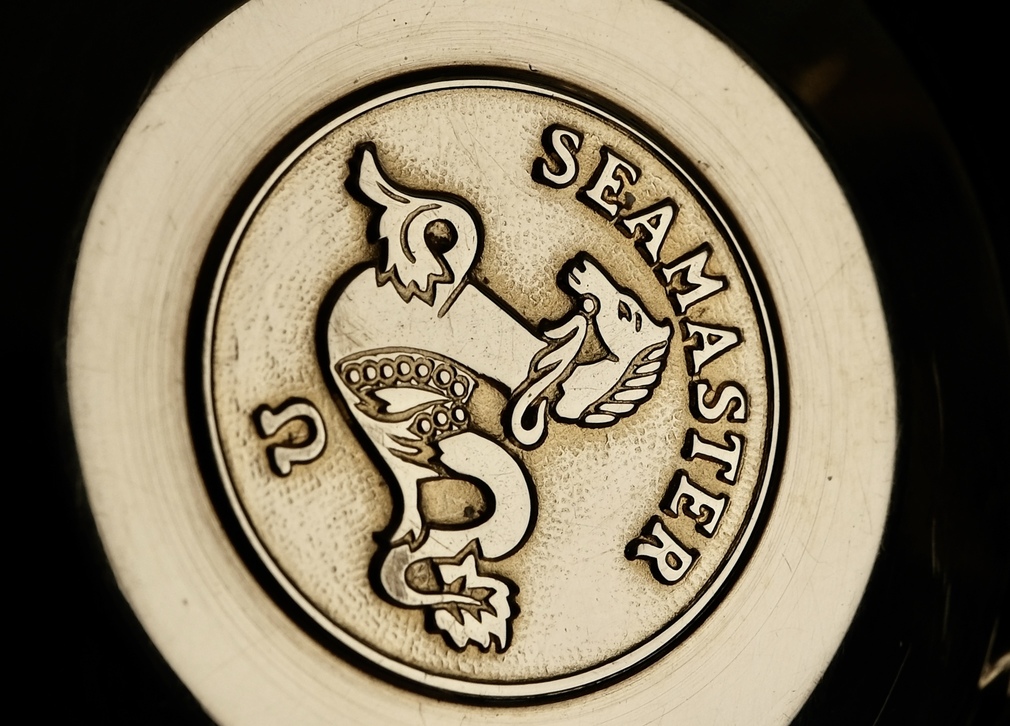
This decade produced some of collecting's most coveted references. The Omega Speedmaster achieved immortality as the moonwatch. Rolex Submariners with gilt dials are legends. The Heuer Carrera, designed by Jack Heuer, set new standards for chronograph legibility.
Beyond the famous names, countless excellent watches from Universal Geneve, Longines, Zenith, and others offer tremendous value. These pieces often feature comparable quality to their more celebrated contemporaries at a fraction of the price.
Movements of the 1960s
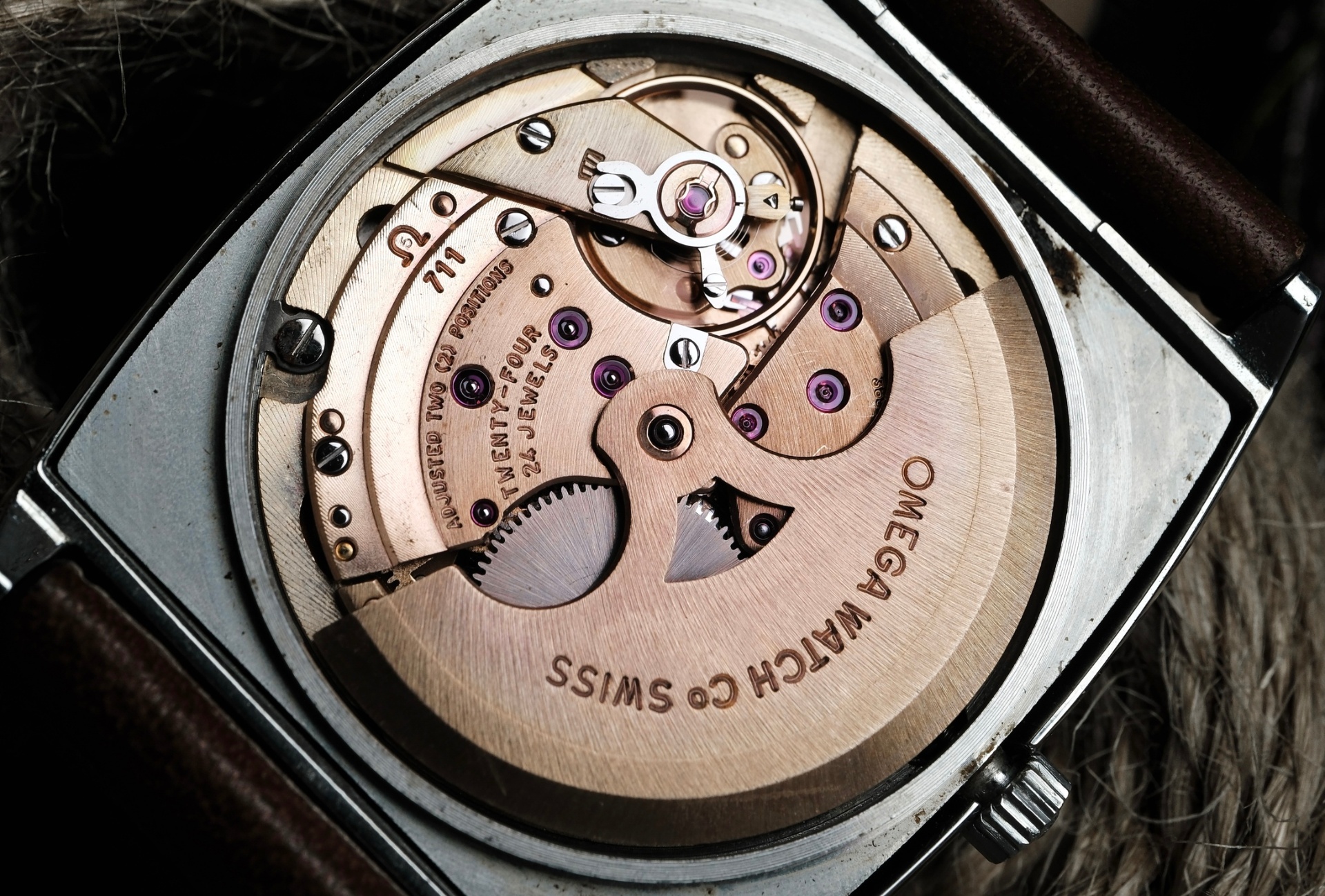
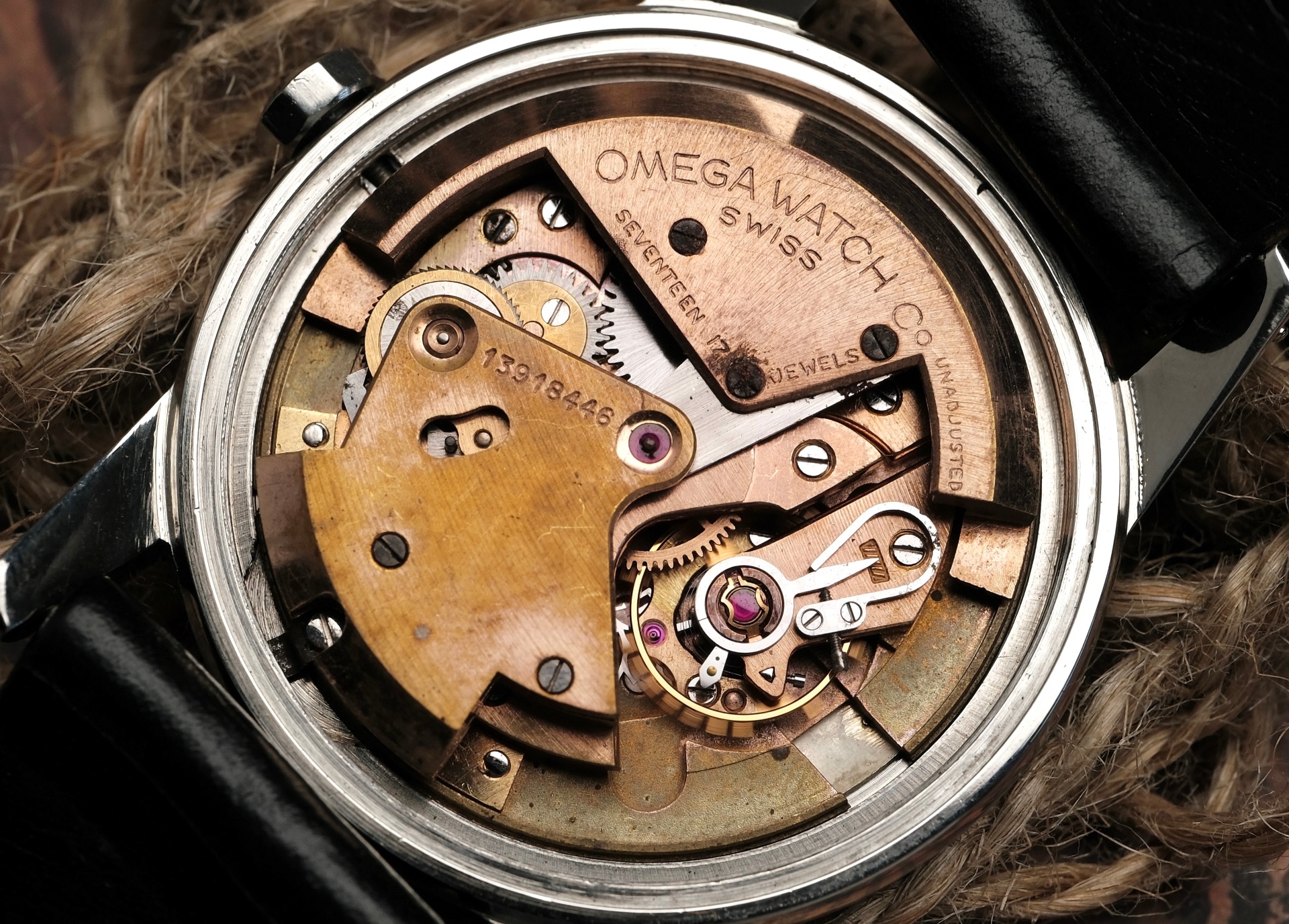
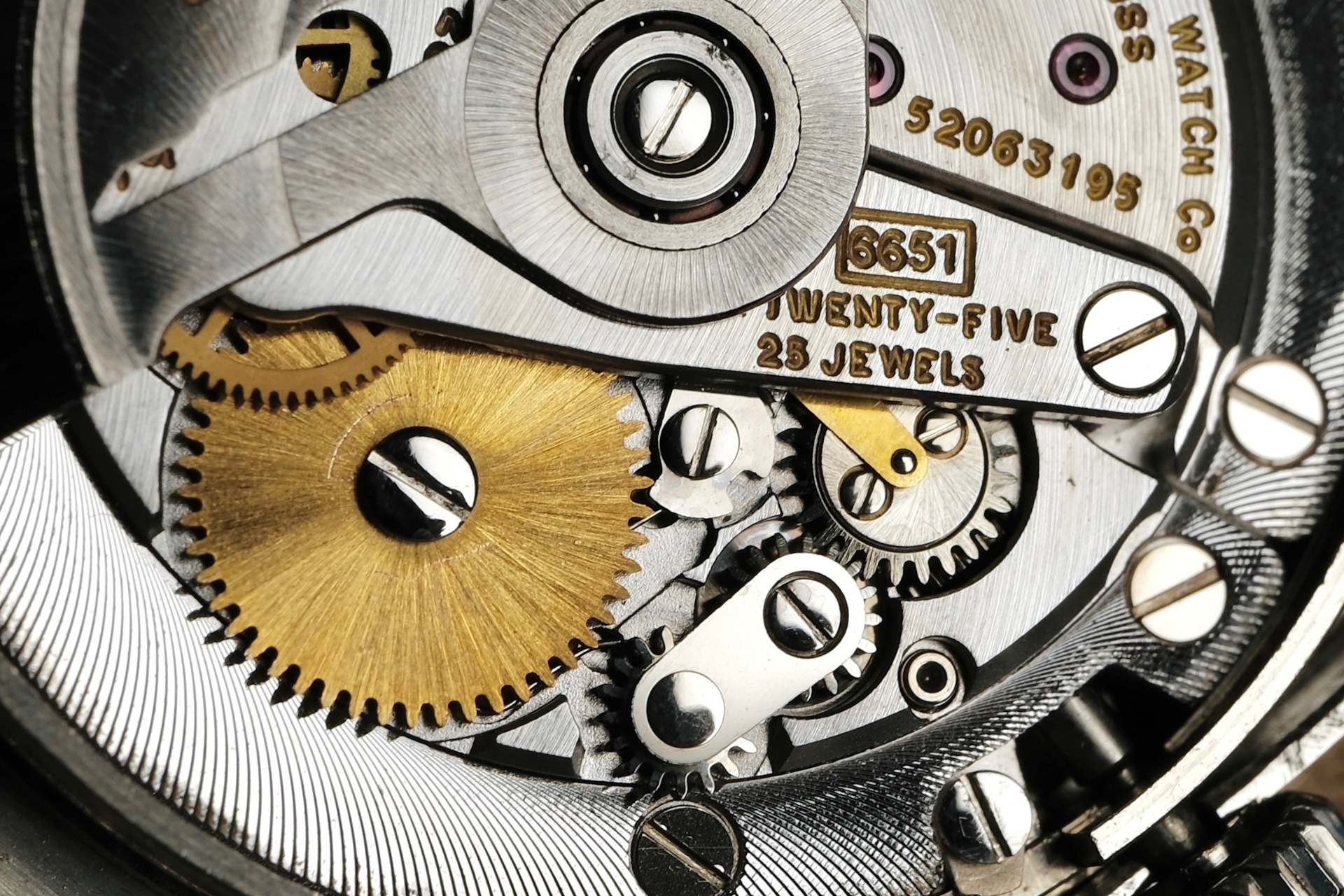
1960s movements represent mechanical watchmaking at its peak before quartz competition demanded cost reduction. Hand-finished details, robust construction, and proven reliability characterize the era's calibers.
The decade saw the development of revolutionary calibers: the first automatic chronographs emerged in 1969, a three-way race between Zenith, Seiko, and Chronomatic (a consortium including Heuer, Breitling, and Hamilton). These movements remain highly collectible today.
Building a 1960s Collection
A thoughtful 1960s collection might include: a classic three-hand dress watch, a chronograph, a dive watch, and perhaps a quirky 'space age' design. This breadth showcases the decade's diversity while remaining cohesive.
Focus on condition over completeness. A well-preserved example without box and papers will bring more lasting satisfaction than a tired piece with documentation. Original dials, unpolished cases, and correct hands significantly impact value and collectibility.
What to Watch For
When evaluating 1960s pieces, focus on overall consistency. Dial, case, and movement should align with the stated reference and production era.
Case condition tells a story. Light wear from decades of use is expected and often desirable, it proves authenticity. However, cases heavily refinished to hide damage should be approached carefully.
Movement matching matters for valuable references. Serial numbers, case references, and caliber numbers should align with production records. Reputable sellers provide this information in their listings.