The Crown Before the Hype
Rolex needs no introduction. The crown logo represents perhaps the most recognized symbol in watchmaking, a brand whose name has become synonymous with quality, precision, and success. Yet beneath the celebrity endorsements and waiting lists lies a rich heritage of genuine engineering excellence.
This guide focuses on vintage Rolex from the 4-digit reference era, roughly spanning the 1950s through the 1980s. These watches share the same legendary Oyster case construction, the same robust movements, and the same attention to detail as their more famous siblings, yet they remain accessible to collectors who appreciate quality over hype.
Whether you are drawn to the elegant simplicity of an Oyster Precision, the understated refinement of a 4-digit Datejust, or the everyday practicality of an Air-King, vintage Rolex offers an opportunity to own genuine horological excellence at prices that reflect value rather than speculation.
From London to Geneva: A Brief History
Hans Wilsdorf founded Rolex in London in 1905, initially as a watch distribution company. His vision was singular: to create wristwatches that could match the precision of pocket watches while withstanding the rigors of daily wear. At a time when wristwatches were considered jewelry rather than serious instruments, this was a revolutionary ambition.
The Oyster case, introduced in 1926, represented Rolex's first major breakthrough. This hermetically sealed case protected the movement from dust and moisture, a genuine innovation that Wilsdorf proved dramatically when Mercedes Gleitze wore an Oyster while swimming the English Channel in 1927. The watch emerged from hours in the water keeping perfect time.
The Perpetual rotor, developed in 1931, added self-winding capability to the Oyster's already robust design. This combination of water resistance and automatic winding created the foundation for every Rolex that followed. In 1945, the Datejust became the first self-winding chronometer wristwatch with a date display, establishing another template the industry would follow.
By the 1950s, Rolex had established itself as the standard for professional tool watches. The Explorer accompanied the first successful Everest expedition in 1953. The Submariner set new standards for dive watches. The GMT-Master served Pan Am pilots crossing time zones. These achievements built a reputation based on real-world performance, not marketing.
The 4-Digit Datejust: Accessible Elegance
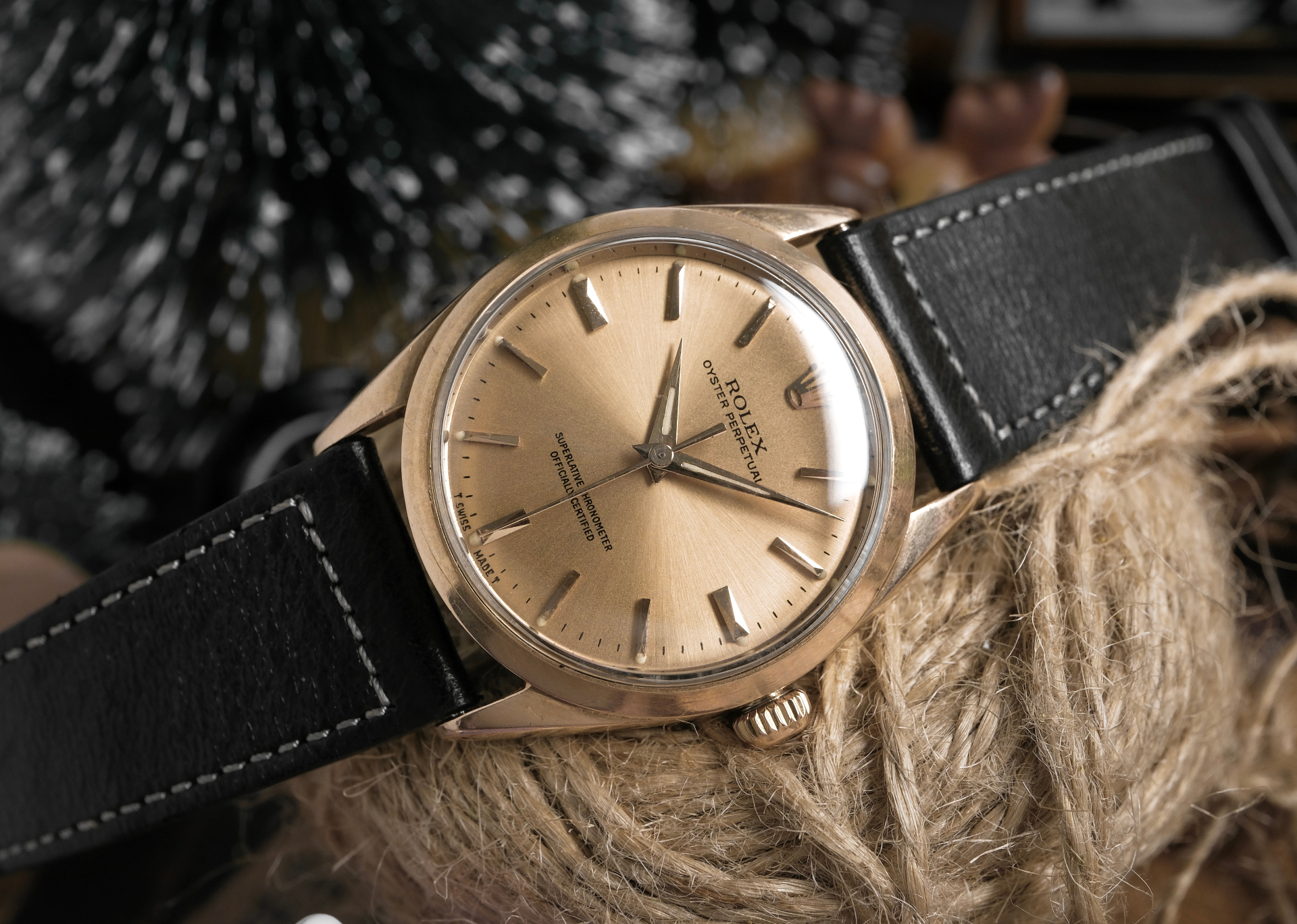
The Datejust, introduced in 1945, pioneered the date complication in a self-winding chronometer. By the 4-digit reference era, the design had matured into the refined form collectors admire today. References like the 1601, 1603, and 1500 offer the complete Datejust experience at prices that reflect quality rather than speculation.
Reference 1601 represents the classic steel and gold configuration, often featuring the distinctive fluted bezel and jubilee bracelet combination that defines the Datejust aesthetic. Reference 1603 offered the same case in stainless steel with an engine-turned bezel, providing a sportier alternative while maintaining the same movement quality.
Dial variations within the 4-digit Datejust range offer collectors considerable choice. Linen dials with their textured surface, sigma dials with their precious metal markers, and pie-pan dials with their distinctive concave profile each have their adherents. Understanding these variations helps identify pieces that align with personal preferences.
The 4-digit Datejust wears elegantly at 36mm, a size that looks refined on most wrists while slipping easily under shirt cuffs. The Oyster case construction ensures the same water resistance and durability found in more celebrated Rolex models. Inside beats a chronometer-certified movement built to the same exacting standards.
Oysterdate: The Underrated Oyster
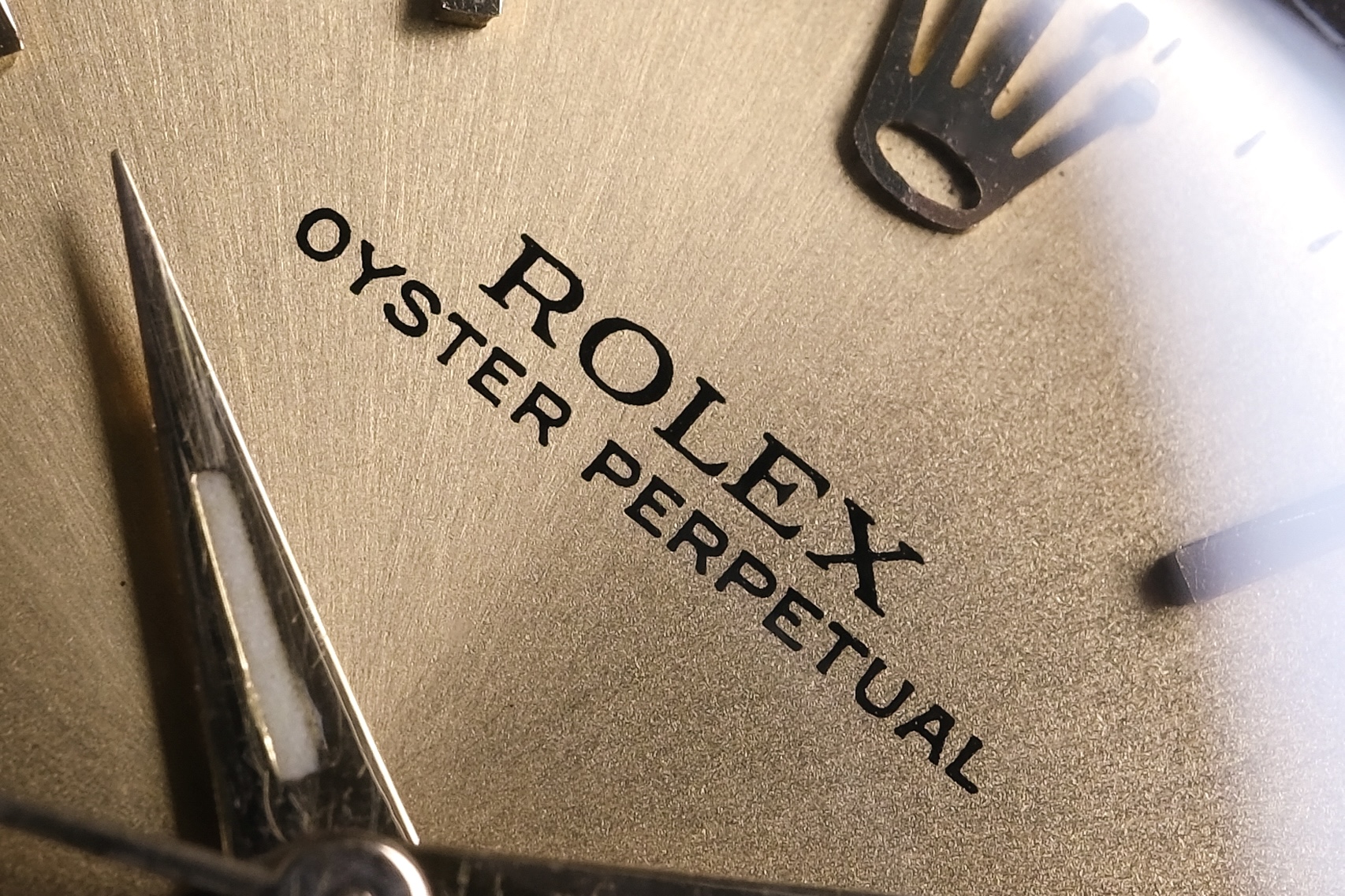
The Oysterdate, particularly reference 6694, represents one of the most accessible entries into vintage Rolex ownership. These manual-wind watches share the legendary Oyster case with their automatic siblings while offering a more intimate connection through daily winding.
Reference 6694 used the caliber 1225, a manual-wind movement that demonstrates Rolex's commitment to quality regardless of price point. The movement keeps excellent time when properly maintained, and the manual winding ritual connects the owner to the watch in a way that automatic winding cannot replicate.
Oysterdate models typically feature simpler dial designs than the Datejust, often with applied hour markers and a clean layout that emphasizes legibility. The absence of a cyclops lens over the date window gives these pieces a cleaner profile that many collectors prefer.
For collectors seeking Rolex quality without Rolex premiums, the Oysterdate offers exceptional value. The same case construction, the same attention to finishing, and the same reliability define these watches. Only the absence of automatic winding and the famous name differentiate them from their more expensive relatives.
Oyster Precision and Air-King: Entry Points
The Oyster Precision, particularly reference 6426, offers the purest expression of Rolex's fundamental values: robust construction, reliable timekeeping, and understated design. These manual-wind watches feature the same Oyster case found across the range, built to the same standards as any Submariner or Datejust.
Reference 6426 used the caliber 1225 movement, the same reliable manual-wind caliber found in the Oysterdate. The 34mm case size wears smaller than modern tastes prefer, but this period-correct proportion suits collectors who appreciate vintage aesthetics. The absence of date complications creates a clean, symmetrical dial layout.
The Air-King occupies a unique position in the Rolex catalog, offering an automatic movement in the entry-level segment. Reference 5500, produced for decades, used the caliber 1520 or later 1530 automatic movements. These watches provide the convenience of self-winding while maintaining accessible pricing.
Both Oyster Precision and Air-King models share the fundamental Rolex DNA. The Oyster case, the quality of construction, and the attention to detail remain constant regardless of where a model sits in the hierarchy. For collectors who evaluate watches on objective merit rather than market perception, these references represent remarkable value.
Cellini: The Overlooked Dress Line
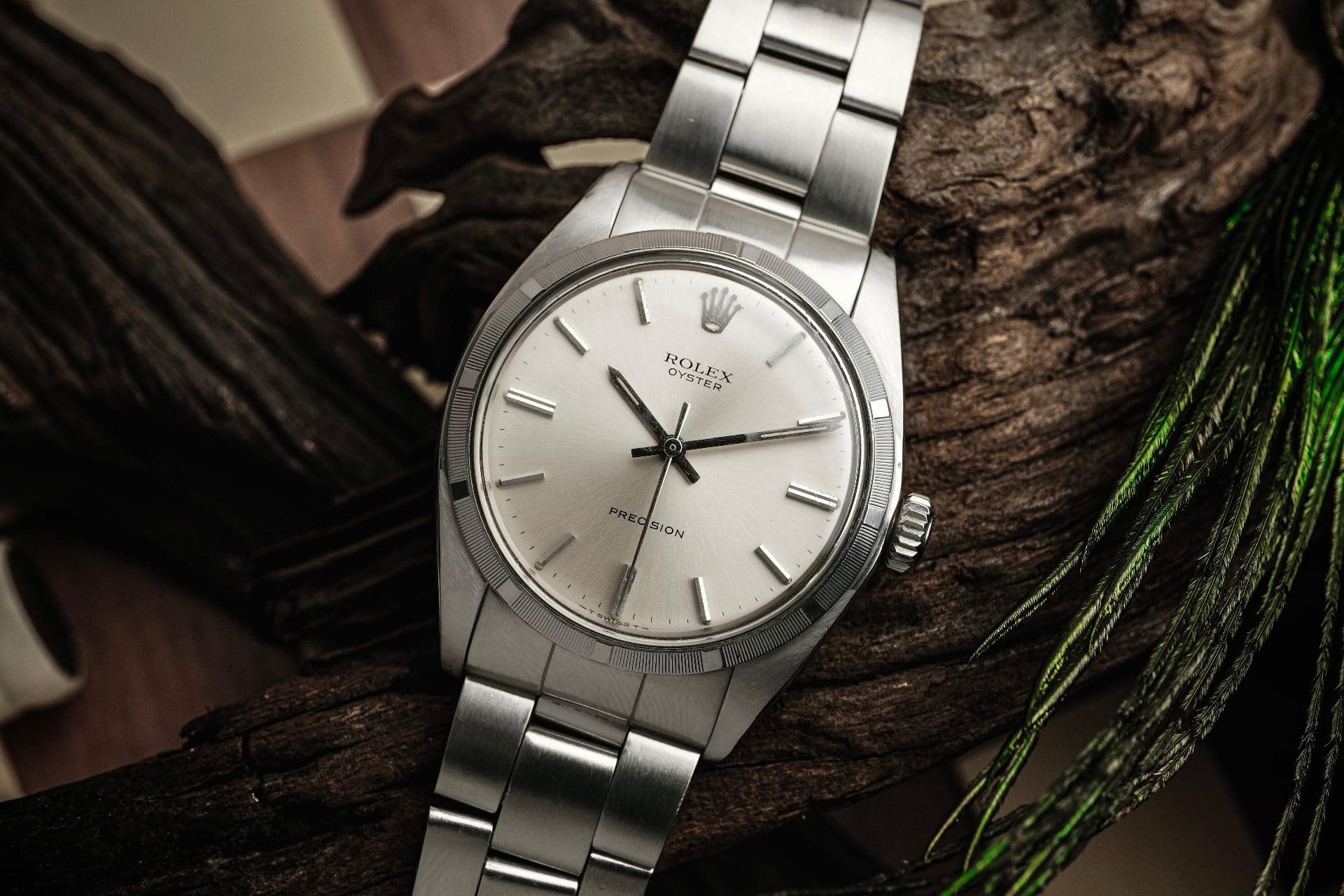
The Cellini line, named after the Renaissance goldsmith Benvenuto Cellini, represented Rolex's approach to elegant dress watches. Produced primarily in the 1970s and 1980s, these pieces stepped away from the Oyster case to explore refined aesthetics suited to formal occasions.
Cellini watches featured slim cases in precious metals, often with distinctive dial treatments and elegant proportions. Manual-wind movements kept the cases thin, allowing them to slip beneath shirt cuffs with ease. The design philosophy prioritized elegance over the tool-watch robustness that defined other Rolex lines.
Because the Cellini stands apart from the Oyster-cased models that dominate Rolex collecting, these pieces often trade at prices that reflect quality rather than brand mystique. Collectors seeking exceptional dress watches find genuine value here, acquiring Rolex craftsmanship at accessible levels.
The Cellini demonstrates Rolex's ability to excel beyond the sports watch category. The finishing, the movement quality, and the overall refinement match any dress watch from the period. For collectors building diverse watch collections, a vintage Cellini provides elegant variety alongside more casual pieces.
Understanding Rolex Movements
The calibers powering 4-digit Rolex references represent mature, refined movements developed over decades. The 1560 and 1570 family of automatic movements powered countless models, earning a reputation for exceptional reliability and accuracy. These movements, while less complex than modern calibers, demonstrate Rolex's mastery of fundamental watchmaking.
Caliber 1570, used in many 4-digit Datejust references, featured a 26-jewel movement with hack seconds and quickset date. The movement beats at 19,800 vibrations per hour, a frequency that balances accuracy with longevity. When properly serviced, these calibers routinely achieve chronometer-level precision.
The 1520 caliber, found in Air-King models and other references, offered reliable automatic winding in a slightly simpler package. The 1225 manual-wind caliber in Oysterdate and Precision models provided similar accuracy in a thinner profile suited to dressier cases.
When evaluating vintage Rolex, movement health matters significantly. Amplitude readings between 170 and 300 degrees typically indicate a healthy movement. Consistent timekeeping across positions suggests proper lubrication and minimal wear. These objective measurements help assess condition more reliably than subjective descriptions.
Reference Numbers and Authentication
Rolex reference numbers encode significant information for collectors. The first digits typically indicate the case type, while subsequent digits describe bezel style, bracelet attachment, and other features. Understanding this system helps identify models and detect inconsistencies that might indicate problems.
Serial numbers, found between the lugs at 6 o'clock on vintage models, indicate approximate production dates. While Rolex has not published official serial number tables, collector research has established ranges that allow dating to within a year or two. Cross-referencing serial numbers with known production periods helps verify that all components match the claimed age.
Case backs on vintage Rolex models typically feature minimal markings, often just the reference number and metal type. The stainless steel backs are smooth and undecorated. Engraved or decorative case backs suggest aftermarket modification or potential authenticity concerns.
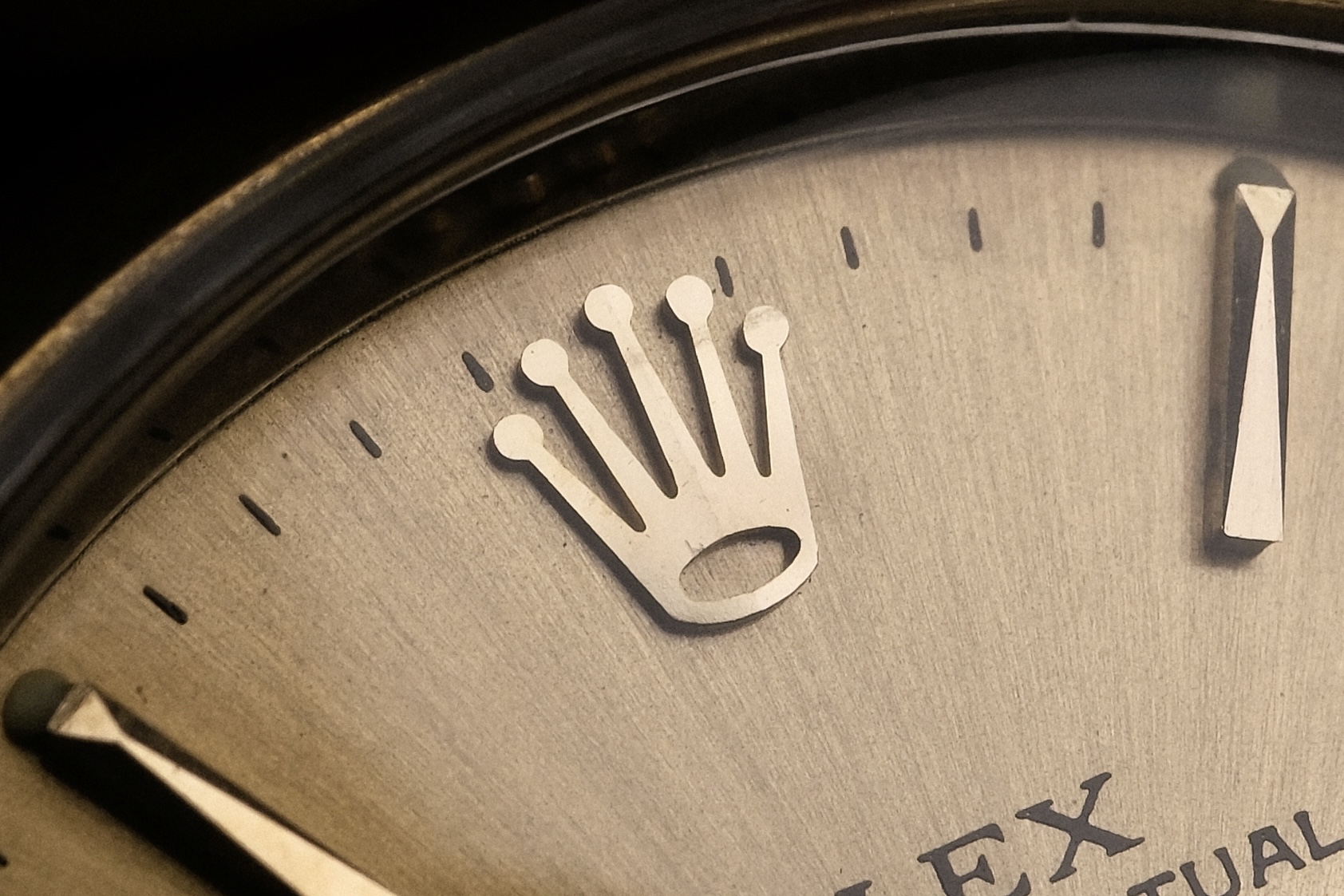
Dial authenticity requires careful attention to period-correct details. Font styles, marker shapes, and printing quality all evolved over production runs. Comparing a dial to known authentic examples from the same period helps identify pieces that have been refinished or replaced. Original dials, even with age-appropriate patina, generally enhance rather than diminish collector interest.
4-Digit Rolex at Auction: Finding Value
Auction offers opportunities to acquire vintage Rolex at prices determined by actual demand rather than retail markup. The 4-digit references discussed in this guide regularly appear at auction, providing collectors with genuine choice among comparable examples.
Condition assessment drives value in vintage Rolex more than perhaps any other factor. Original, unpolished cases with crisp lugs and proper proportions command significant premiums over heavily worn examples. Learning to read case condition from photographs helps identify pieces worth pursuing.
The advantage of 4-digit references lies precisely in their relative obscurity. While collectors compete fiercely for early Submariners and Paul Newman Daytonas, the Oysterdate, Precision, and even 4-digit Datejust attract less speculative attention. This creates opportunities for collectors who prioritize quality over fashion.
When building a vintage Rolex collection through auction, patience serves better than urgency. The production volumes of these references mean that suitable examples appear regularly. Waiting for the right combination of condition, configuration, and price ultimately produces more satisfying results than impulsive bidding on available pieces.