Vintage Bulova Watches for Collectors
Live now
About Bulova
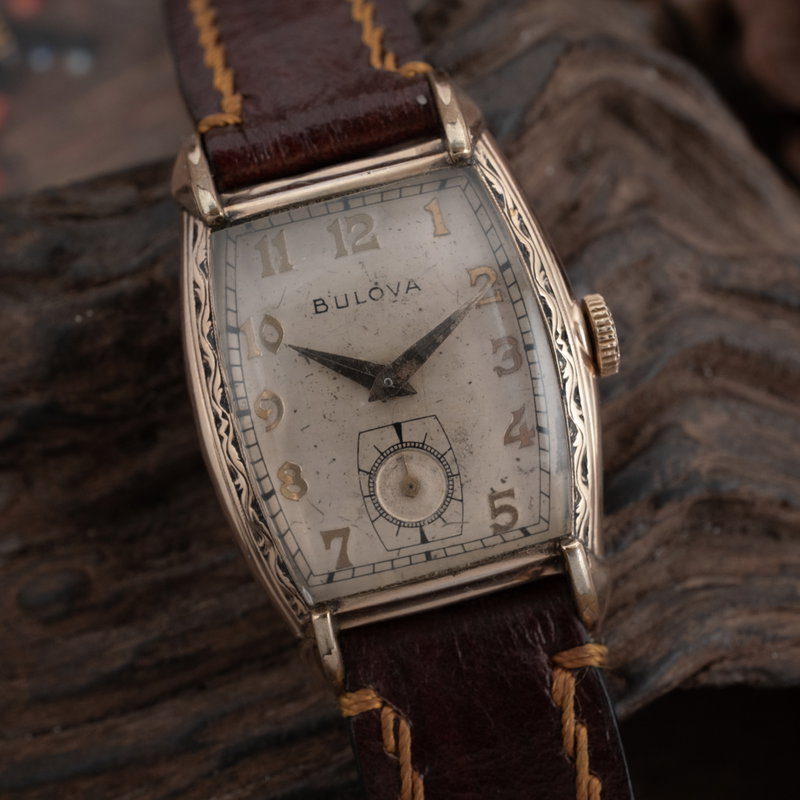
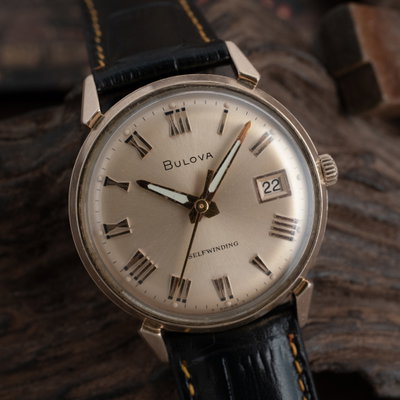
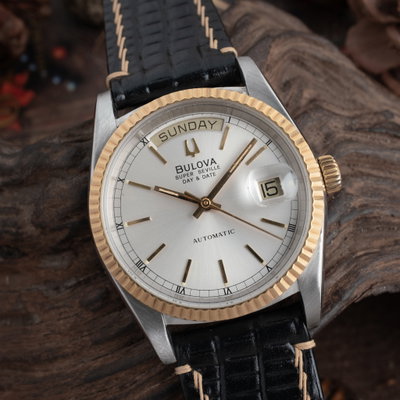
Bulova has crafted distinctive timepieces since 1875, renowned for their innovative design and precision. From the Art Deco era to their pioneering Accutron technology, vintage Bulova watches offer a rich history for any collector. Our selection typically includes a range of sought-after models, showcasing Bulova's enduring legacy in watchmaking. Each piece represents a unique chapter in the brand's storied past, appealing to enthusiasts worldwide.
Recent Bulova results
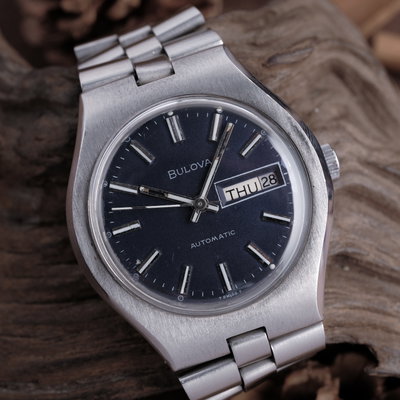
Bulova · Automatic · 7082-3 · 1975
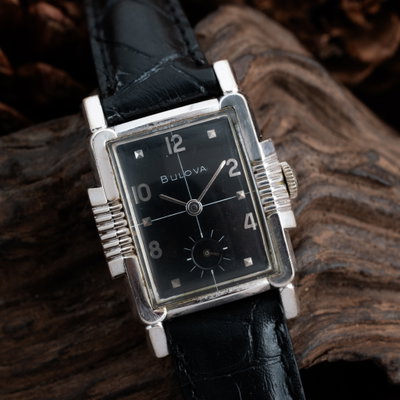
Bulova · D159391 · 1958
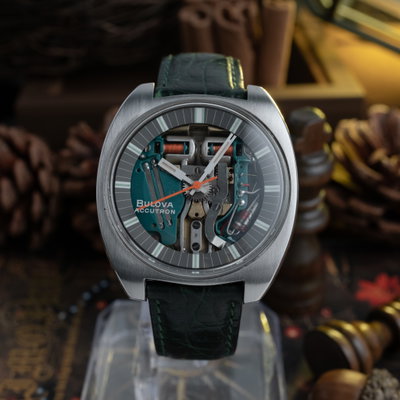
Bulova · Accutron Spaceview · 770 · 1969
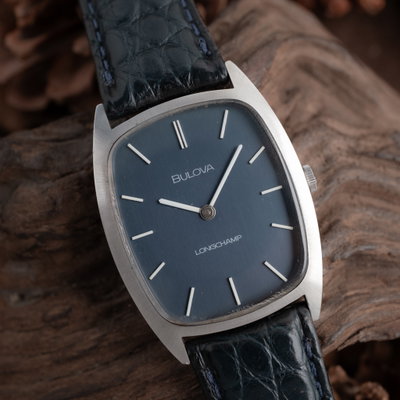
Bulova · Longchamp · 3-826423 · 1974
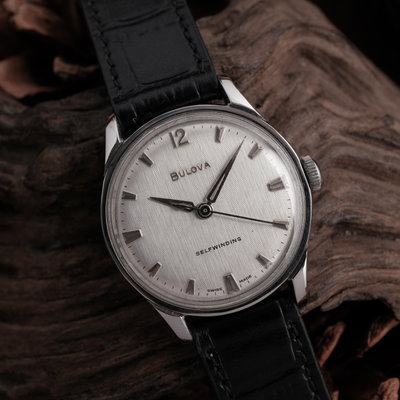
Bulova · Selfwinding · 256147
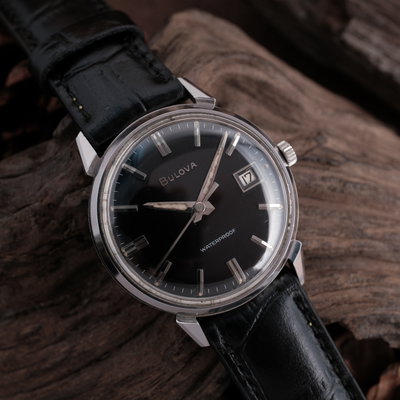
Bulova · Waterproof · H47692 · 1969
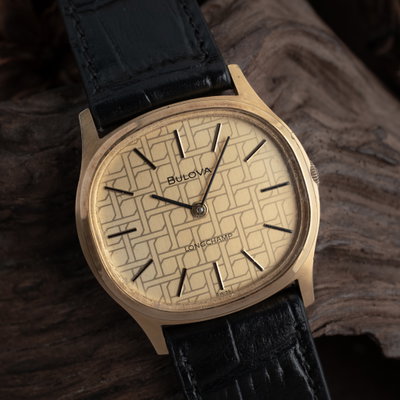
Bulova · Longchamp · 7965 1 · 1976
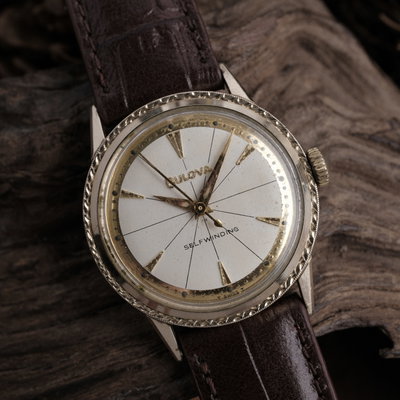
Bulova · Selfwinding · J756689 · 1967
We auction more than 100 vintage watches a week.
Get first access: new Bulova watch drops and alerts before auctions end.
Why Bid at Auction?
Auctions can create opportunities to buy vintage watches below prevailing market prices, sometimes significantly, because final prices are driven by live demand, timing, and condition. You set your maximum bid, follow lots that are ending soon, and let the market decide. Results vary by reference, originality, and competition, but when the right lot appears at the right moment, auctions almost always outperform fixed-price retail.
Market-Driven Pricing
Final prices reflect real-time demand, not fixed retail markups.
Strategic Timing
Follow lots ending soon and bid when competition is low.
Transparent Process
Set your maximum bid and let the auction decide the final price.